A healthy family dental routine is not built in a single appointment or with one perfect product. It grows through small, consistent habits that fit each person’s age, needs, preferences, and daily schedule. From a baby’s first tooth to an older adult’s changing oral health concerns, every stage of life benefits from routines that feel manageable and positive.
When oral care becomes part of the household rhythm, families are more likely to prevent cavities, gum problems, dental anxiety, and avoidable discomfort. The goal is not to make dental care feel strict or complicated, but to create a calm, predictable approach that helps everyone feel confident about caring for their smile.
Building Positive Habits From the Start
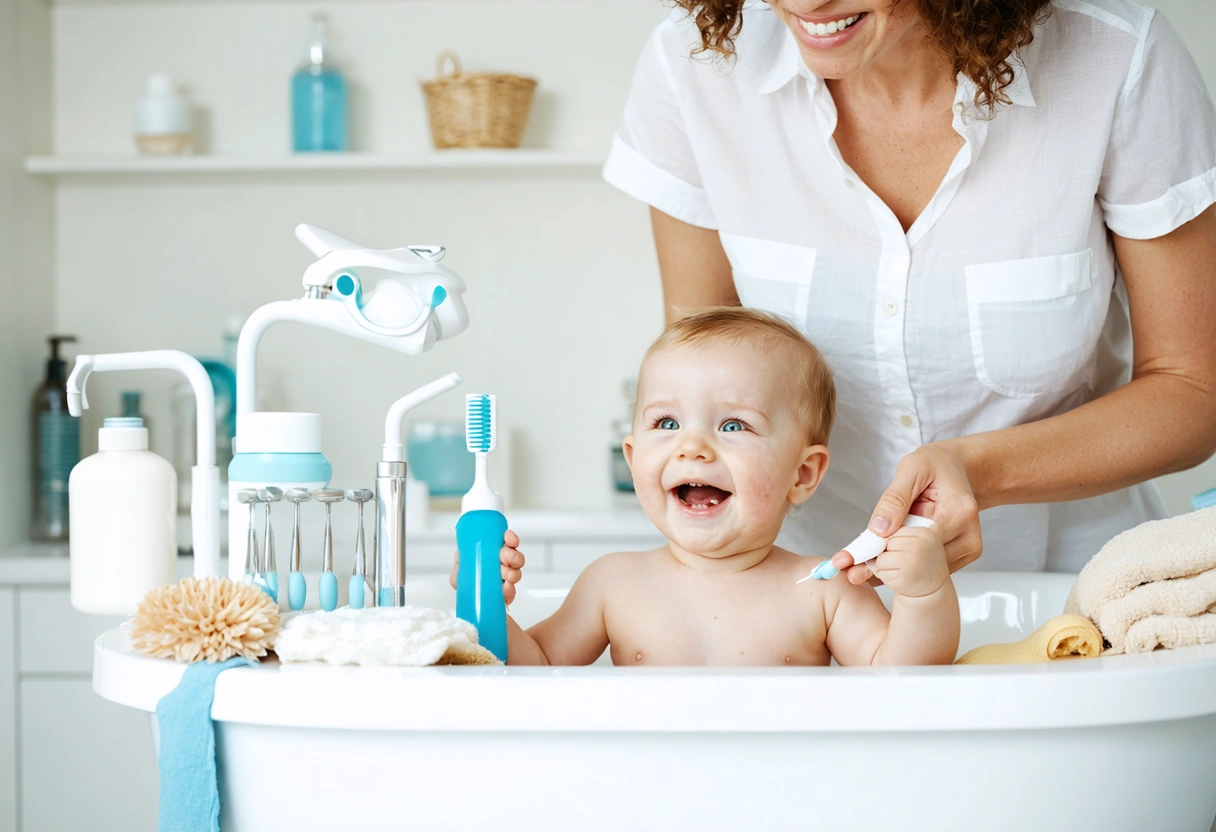
Early childhood is one of the most important times to shape a comfortable relationship with oral health. Even before a child can brush independently, parents and caregivers can introduce gentle mouth cleaning, simple explanations, and a predictable routine. Wiping an infant’s gums with a soft, damp cloth after feedings can help establish the idea that mouth care is a normal part of daily life.
Once the first tooth appears, brushing with an age appropriate toothbrush and the recommended amount of fluoride toothpaste becomes an important step. Young children often need help brushing because they do not yet have the coordination to clean every surface well.
Helping Young Children Feel Safe During Oral Care
Children are more likely to cooperate when they understand what is happening and feel some sense of control. Simple choices, such as selecting a toothbrush color or choosing between two approved toothpaste flavors, can help them feel involved.
It is also helpful to use encouraging language rather than pressure or fear. Phrases like “We are brushing to keep your teeth strong” can create a more positive connection than warnings about cavities or dental visits.
Adapting the Routine for School Age Children and Teens
As children grow, their dental routine should gradually shift from parent led care to shared responsibility. School age children may be able to brush on their own, but they still benefit from reminders, supervision, and occasional checks to make sure they are brushing long enough and reaching the back teeth.
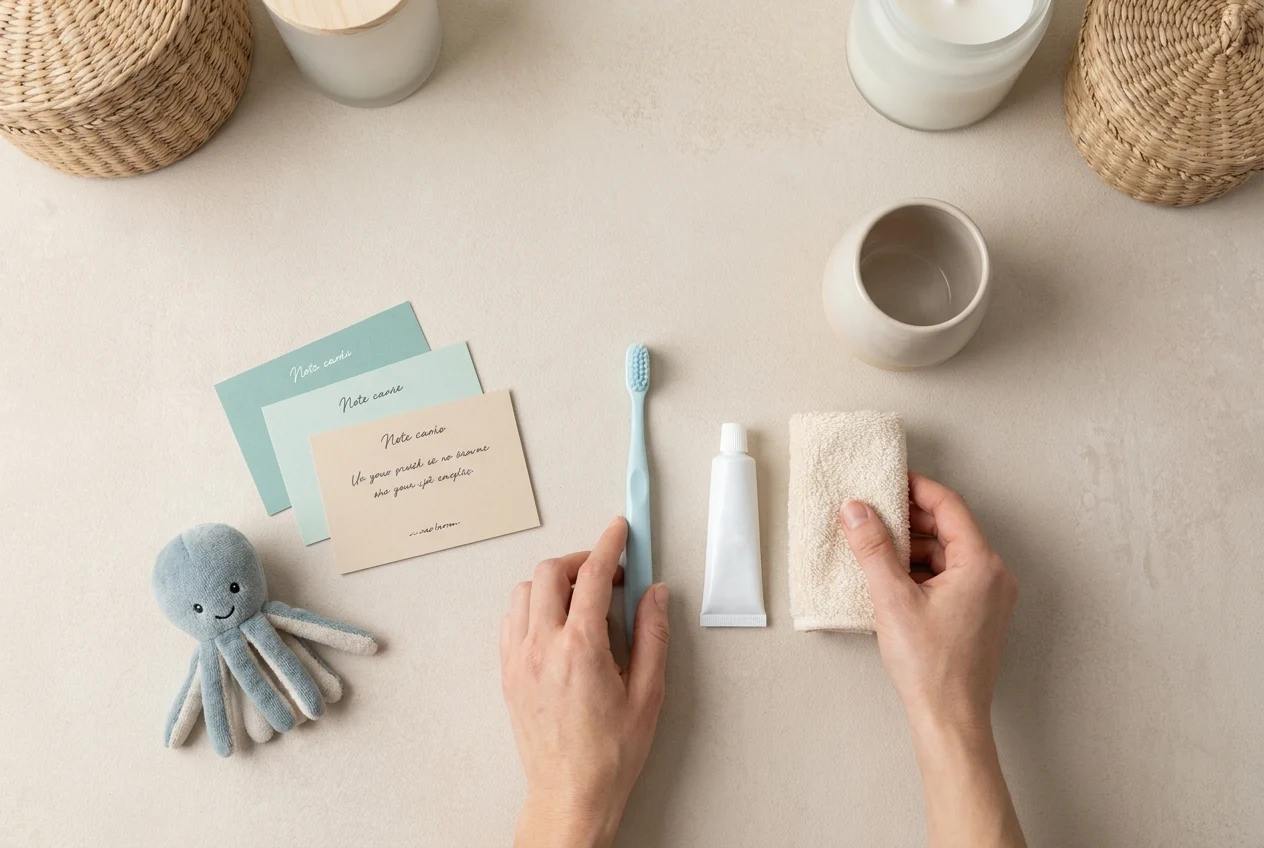
Busy school mornings, homework, sports, and extracurricular activities can make oral care feel rushed. Families can support consistency by anchoring brushing and flossing to daily habits that already exist, such as getting dressed in the morning or preparing for bed at night.
Supporting Teens With Independence and Accountability
Teenagers often want more independence, and their oral health routine should respect that while still providing guidance. This stage can bring new concerns, including orthodontic appliances, sports mouthguards, frequent snacking, energy drinks, and cosmetic worries.
For teens with braces or aligners, the routine may require extra tools and more time. Interdental brushes, floss threaders, or water flossers may help them clean around brackets, wires, or tight spaces.
Creating Practical Routines for Adults
Adult life often brings a different set of challenges to family oral health. Work schedules, caregiving responsibilities, travel, stress, pregnancy, and medical changes can all affect how consistently a person brushes, flosses, and attends dental visits.
For most adults, brushing twice a day with fluoride toothpaste and cleaning between the teeth once a day are the foundation of daily care. The most successful routines are often connected to habits that already happen every day, such as brushing after a morning shower or flossing before setting out clothes for the next day.
Managing Stress, Diet, and Lifestyle Factors
Stress can show up in the mouth in several ways, including jaw clenching, teeth grinding, canker sores, dry mouth, and skipped routines. Adults who wake with jaw soreness, headaches, or sensitive teeth may benefit from discussing possible grinding or clenching with a dental professional.
Diet also plays a major role in adult oral health. Frequent sipping on sweetened coffee, soda, sports drinks, or flavored sparkling beverages can expose teeth to sugar and acid throughout the day.
Pregnancy and Oral Health Changes
Pregnancy can affect the gums, enamel, appetite, and sensitivity to tastes and smells. Hormonal changes may increase the chance of gum swelling, tenderness, or bleeding, making daily brushing and flossing especially important.
Morning sickness and acid reflux can also expose teeth to stomach acid. After vomiting, it is usually better to rinse with water or a fluoride mouth rinse and wait before brushing, because brushing immediately can rub acid against softened enamel.
Supporting Oral Health for Older Adults
Older adults may face oral health changes that require a more customized routine. Gum recession, dry mouth, tooth sensitivity, arthritis, vision changes, medications, crowns, bridges, implants, and dentures can all affect daily care.
Dry mouth is especially common among older adults and can be linked to medications, medical conditions, or reduced saliva flow. Because saliva helps protect teeth from decay, persistent dryness can increase the risk of cavities and mouth irritation.
Making Daily Care Easier With Limited Mobility
Arthritis, hand weakness, tremors, or limited shoulder movement can make brushing and flossing more difficult. Small adaptations can make a major difference. An electric toothbrush may require less hand motion, while a toothbrush with a larger handle can be easier to grip.
Caregivers can also support older adults by organizing supplies, offering reminders, and helping with cleaning when needed. When assisting someone with oral care, it is important to be gentle, explain each step, and preserve as much independence and dignity as possible.

Caring for Dentures, Implants, and Restorations
Dentures, implants, crowns, and bridges still require daily attention. Dentures should be cleaned regularly according to professional instructions and removed as recommended to give the mouth tissues time to rest.
Dental implants and bridges need careful cleaning around the gumline and underneath replacement teeth where plaque can collect. Interdental brushes, floss threaders, special implant floss, or water flossers may be recommended depending on the type of restoration.
Making Dental Visits Feel Comfortable for Everyone
A strong home routine works best when paired with regular dental visits. Preventive appointments help identify small concerns before they become painful or expensive, and they give each family member a chance to receive personalized guidance.
Families can make appointments feel less stressful by talking about them in a calm and matter of fact way. Instead of presenting the visit as something to fear or endure, describe it as a time for the dental team to count, clean, and check the teeth.
Preparing Children for Appointments
Before a child’s dental visit, parents can explain what may happen using simple and honest language. For example, a child might hear that the dentist will look at their teeth with a small mirror, the hygienist may polish their teeth with a special brush, and everyone will help keep their smile healthy.
If a child is nervous, comfort items such as a small stuffed animal or favorite sweater may help. It can also be useful to schedule appointments at a time of day when the child is usually rested and fed.
Helping Adults Address Dental Anxiety
Dental anxiety is common in adults and can sometimes lead to delayed care. A comfortable family routine should make room for these feelings without judgment.

For some people, anxiety is reduced by listening to music, practicing slow breathing, scheduling shorter visits, or bringing a trusted support person when appropriate. Addressing fear directly can help adults model healthy coping for children and show that dental care can be managed with support and communication.
Choosing Products That Fit Each Family Member
The best oral care products are the ones that are safe, effective, and easy for the person to use consistently. Families do not need an overcrowded bathroom cabinet to maintain healthy smiles, but each person may benefit from slightly different tools based on age, dexterity, dental history, and comfort preferences.
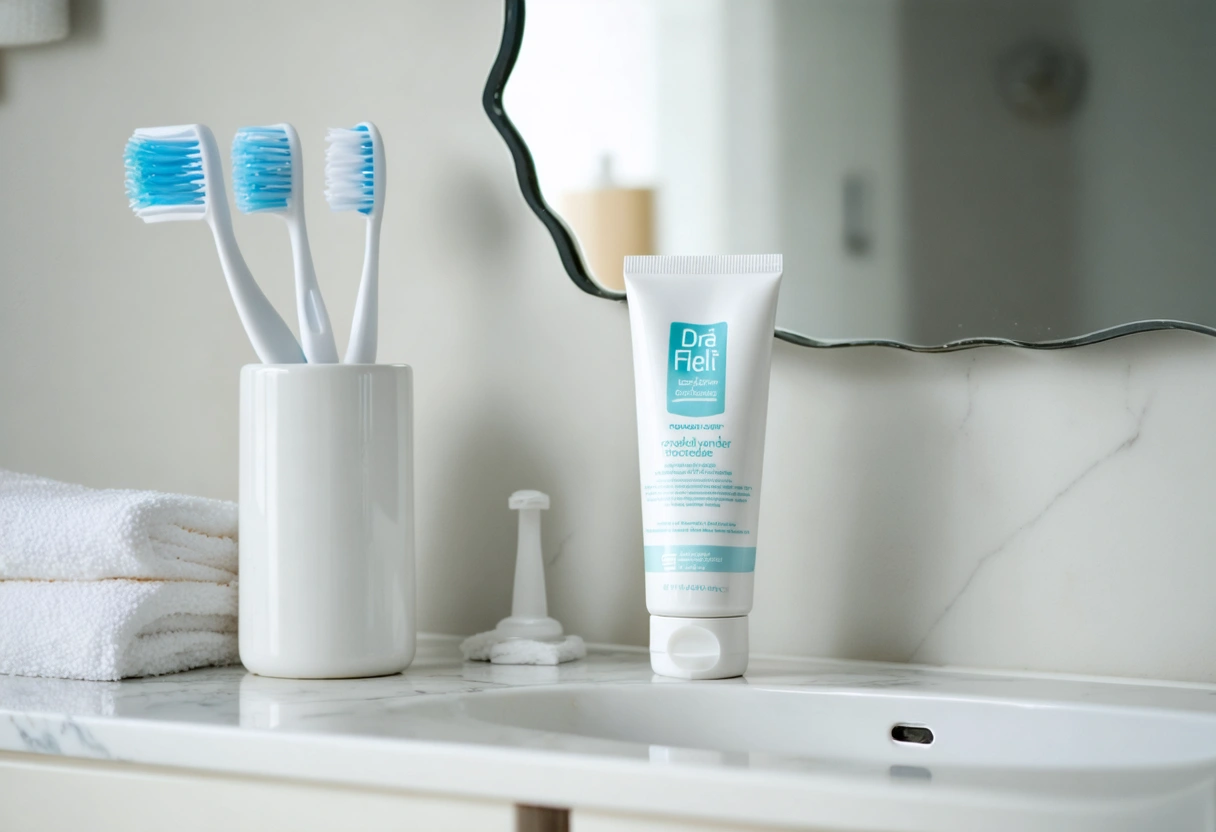
Soft bristled toothbrushes are generally a good choice because they clean effectively without being harsh on gums or enamel. Toothbrushes should be replaced when the bristles become frayed or after illness when appropriate.
Flossing and Interdental Cleaning Options
Cleaning between teeth is important because toothbrush bristles cannot fully reach those spaces. Traditional floss works well for many people, but it is not the only option.
Mouth Rinses and Specialty Products
Mouth rinses can be useful for some family members, but they should not replace brushing or interdental cleaning. Fluoride rinses may help people who are prone to cavities, while alcohol free rinses may be more comfortable for those with dry mouth or sensitive tissues.
Some family members may need specialty products, such as toothpaste for sensitivity, prescription fluoride, dry mouth gel, orthodontic cleaning tools, or denture cleansers. A dental professional can help determine which products are appropriate and how to use them safely.

Keeping the Routine Consistent as Life Changes
Family schedules change often, and oral care routines should be flexible enough to change with them. A routine that works during summer break may need adjustments when school starts, and a plan that fits one work schedule may not fit another.
Simple systems can make consistency easier. Families might keep travel toothbrushes in overnight bags, place floss where it is easy to see, use a timer for brushing, or create a bedtime order that always includes oral care before stories, screens, or lights out.
Building a Supportive Family Culture Around Oral Health
Children and teens are more likely to value oral care when they see adults treating it as a regular part of self care rather than a punishment or chore.
It is also helpful to avoid shame when someone forgets a step or has a cavity. Dental problems can happen for many reasons, including genetics, medical conditions, diet, medications, and changes in routine.
Takeaways
Creating a comfortable dental routine for the whole family means meeting each person where they are. Babies need gentle introduction, children need guidance, teens need independence with accountability, adults need routines that fit busy lives, and older adults may need adaptations for comfort and changing health needs.
When families keep oral care simple, consistent, and positive, healthy habits become easier to maintain through every stage of life. With the right tools, regular dental visits, and a supportive household approach, every family member can feel more confident caring for their smile.
Need help with Creating a Comfortable Dental Routine for the Whole Family at Every Stage of Life?