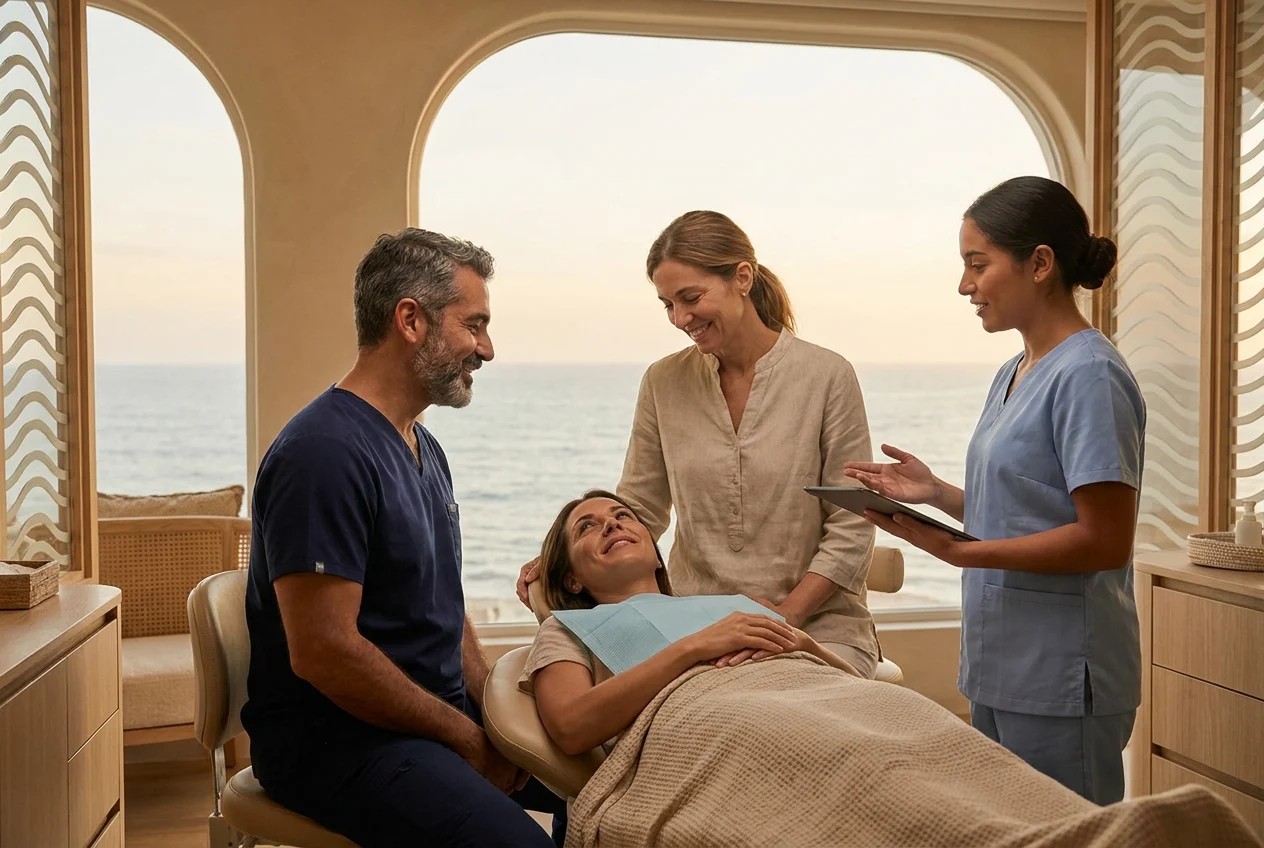
For many people, a dental visit begins long before they sit in the chair. It begins with a calendar reminder, a flutter of nerves, a memory of a past appointment, or the quiet hope that this experience will feel different. In our studio, we believe that comfort is not an afterthought. It is part of care itself.
That is why our ocean-inspired environment and guided relaxation approach are designed to transform the feeling of dental visits from clinical and tense into calm, clear, and supported. By blending thoughtful studio design, gentle communication, sensory comfort, and simple relaxation techniques, we help patients feel more grounded before, during, and after their appointments.
Why Calm Belongs at the Center of Modern Dental Care
Dental care is essential for long-term health, but the experience of receiving care can feel emotionally complicated. Some patients arrive with dental anxiety. Others feel overstimulated by sounds, lights, smells, or the sense of not knowing what comes next. Even routine preventive visits can bring a level of stress that makes people postpone care, which can lead to more complex problems later.
Modern dentistry is not only about advanced technology, beautiful results, and precise clinical technique. It is also about creating a setting where the nervous system feels safe enough to cooperate. When a patient feels calm, they are more likely to communicate openly, ask questions, keep regular appointments, and make confident decisions about their oral health.
Guided relaxation for dental visits helps bridge the gap between what patients know they need and what they feel able to do. It gives the mind something steady to focus on, gives the body permission to soften, and gives the appointment a sense of rhythm. Instead of feeling like the experience is happening to them, patients can feel like they are being guided through it.
That shift matters. A calm patient can breathe more easily, relax the jaw more naturally, and stay present during the appointment. The result is often a smoother visit, better communication, and a stronger sense of trust between the patient and the care team.
The Science Behind a More Relaxed Dental Experience
Anxiety is not simply a thought. It is a full-body response. When a person feels threatened, even by the anticipation of discomfort, the body may activate a stress response. Heart rate can rise, breathing may become shallow, muscles can tighten, and attention can narrow around perceived danger. In a dental setting, that can make every sound feel louder and every sensation feel more intense.
Guided relaxation works because it supports the body in moving toward a calmer state. Slow breathing, soothing imagery, predictable communication, and a comforting environment can help reduce the feeling of alarm. These techniques do not ask patients to ignore what they feel. Instead, they provide practical tools for working with those feelings in real time.
Educational resources from the American Dental Association note that dental anxiety is common and that communication with the dental team can make visits easier. This is one reason our approach begins with listening. Before instruments, polishers, or treatment plans, there is a conversation. We want to understand what helps, what does not, and what a patient needs to feel respected.
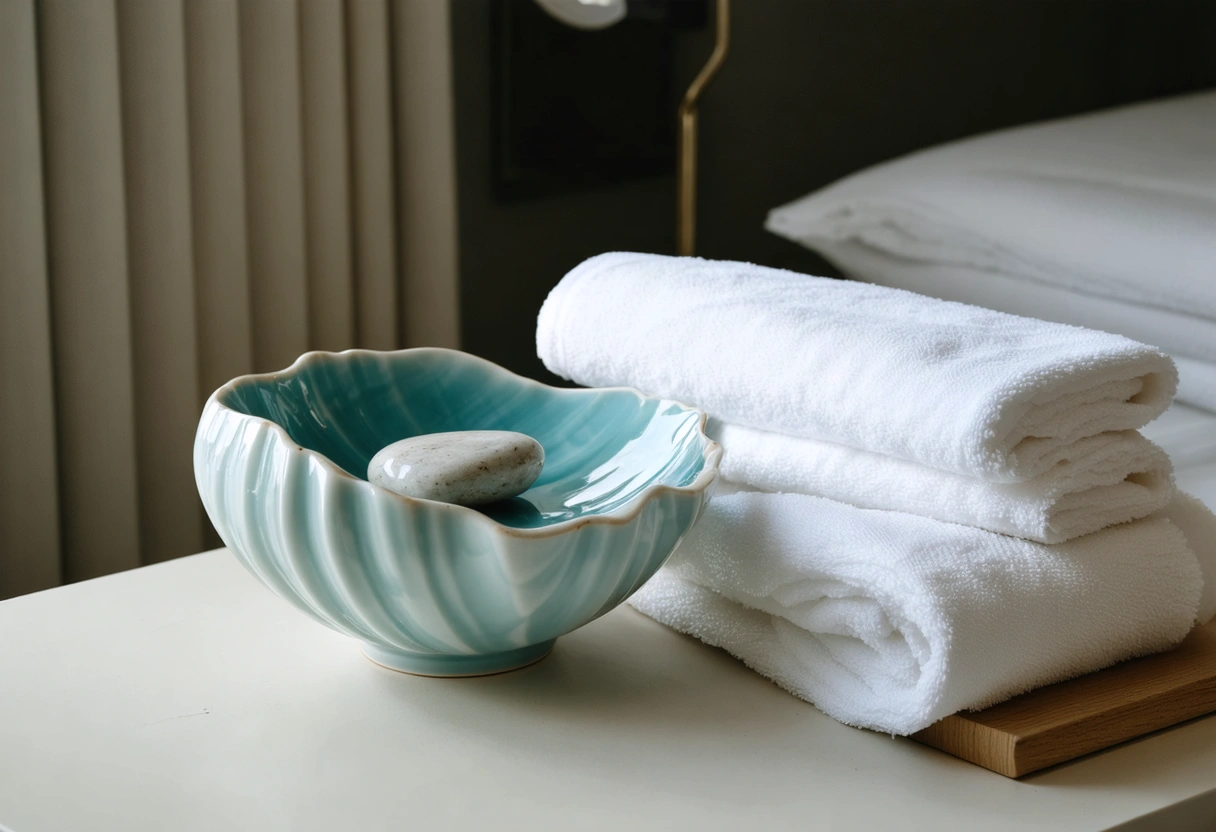
Relaxation is not a single technique. It is a layered experience. It might include a gentle welcome, ocean tones in the studio, a clear explanation of each step, a pause signal, calming breath cues, or the simple reassurance that the patient is always allowed to ask for a break. Each layer helps create emotional safety.
How Ocean-Inspired Design Changes the Way a Studio Feels
The ocean has a unique emotional language. It suggests openness, rhythm, freshness, movement, and calm. Our ocean-inspired dental studio uses that language intentionally, not as decoration alone, but as a sensory framework for a better appointment experience. Color, texture, sound, light, and spacing all contribute to how the mind interprets a room.
Many traditional healthcare spaces feel bright, sterile, and rushed. While cleanliness and clinical excellence are essential, the feeling of the environment can be softened without compromising professionalism. Ocean-inspired design makes the studio feel less like a place patients must endure and more like a place where they can settle in.
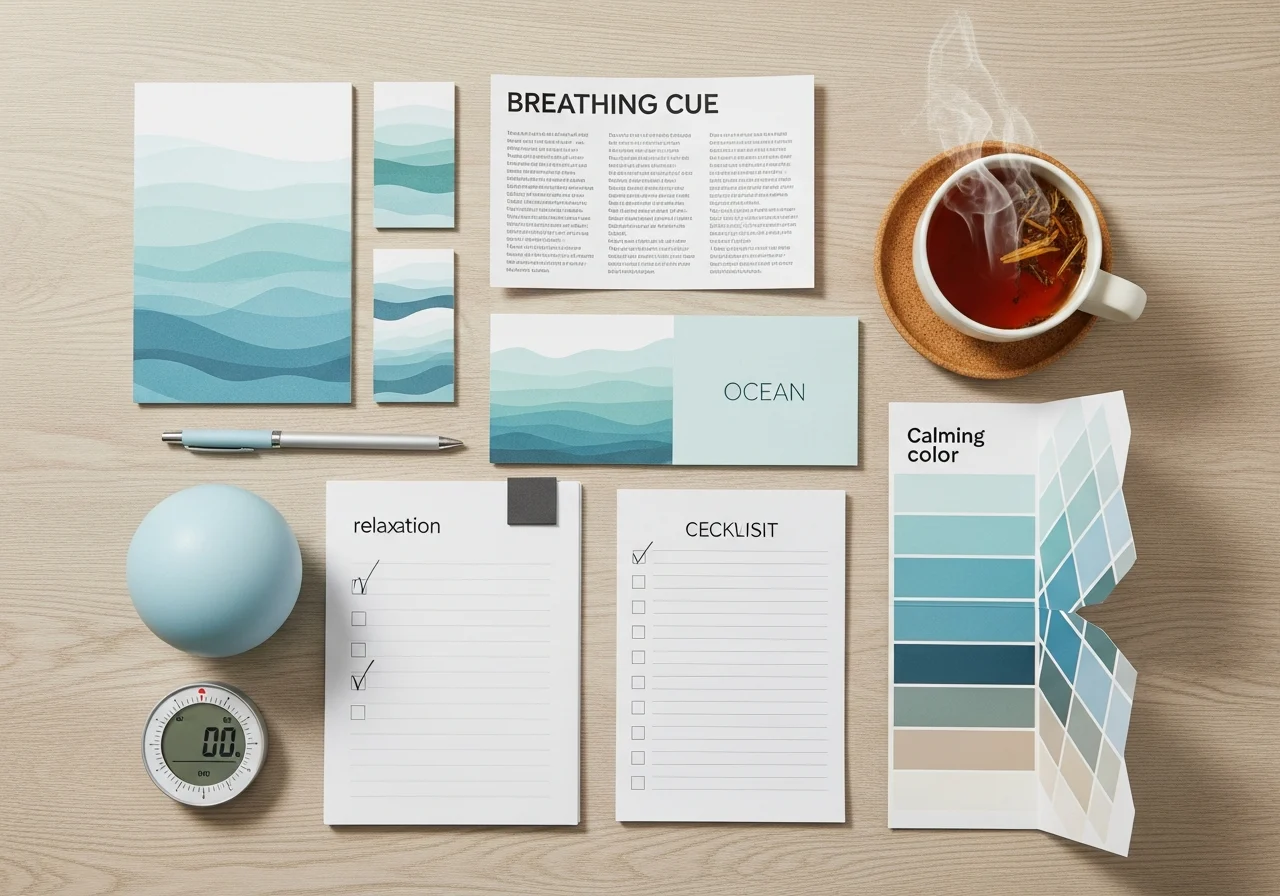
Soft coastal colors, natural materials, and gentle visual cues can reduce the feeling of clinical intensity. Instead of stark contrast, the eye meets a palette that feels familiar and peaceful. Blues, sea glass greens, sandy neutrals, and soft whites can help create an atmosphere that feels clean without feeling cold.
This connection between environment and well-being is not just aesthetic. Research on blue spaces and human health has explored how water-related environments may be associated with restorative psychological effects. While a studio is not the shoreline, design can borrow from the qualities people often associate with coastal spaces: steady rhythm, spaciousness, quiet, and ease.
Guided Relaxation Before the Appointment Begins
A calmer visit starts before treatment begins. The arrival experience matters because the first few minutes can set the tone for everything that follows. If a patient enters feeling rushed, confused, or ignored, the nervous system may remain on alert. If they are greeted warmly and given clear expectations, tension often begins to ease.
In our studio, guided relaxation may begin with simple orientation. Patients are welcomed into a space that feels intentionally calm. The team checks in, confirms the purpose of the visit, and answers immediate questions. This reduces uncertainty, which is one of the most common drivers of dental stress.
We also encourage patients to notice their breath and body before the appointment moves forward. A simple practice might be as easy as inhaling slowly through the nose, allowing the shoulders to drop, and exhaling gently. This does not require special training. It simply gives the body a cue that the appointment is beginning from a place of steadiness rather than urgency.
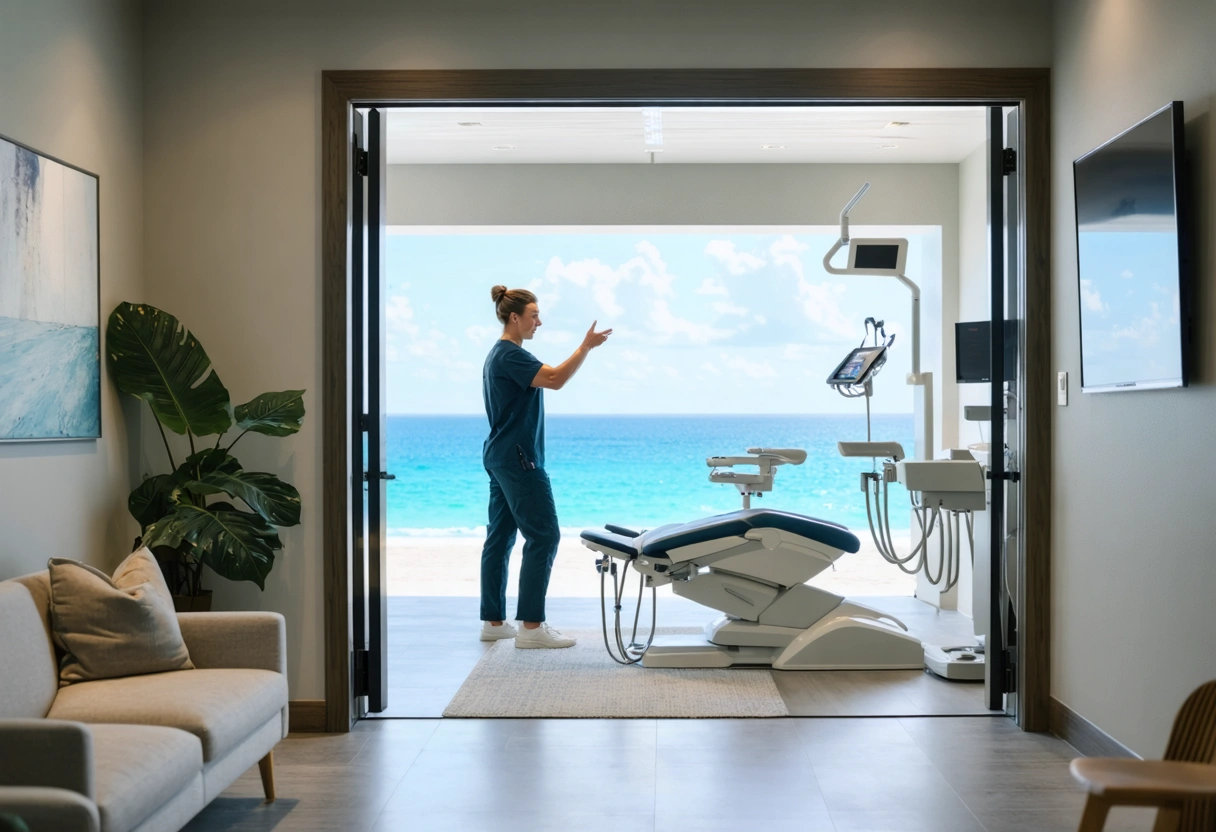
For patients with stronger anxiety, the pre-appointment conversation can include a comfort plan. This may involve agreeing on a hand signal for breaks, identifying sensitive areas, discussing past experiences, or choosing whether the patient prefers detailed explanations or minimal narration during care. Personalized comfort planning turns relaxation from a vague idea into a practical part of the visit.
Breathing Techniques That Help Patients Stay Grounded
Breathing is one of the most accessible tools for relaxation because it is always available. During stress, people often breathe higher in the chest and at a faster pace. This can increase feelings of panic or discomfort. When breathing slows and deepens, the body receives a different message: I am supported, I can pause, I can remain present.
One helpful technique is a gentle four-count breath. A patient inhales for a count of four, pauses briefly, then exhales for a count of four or slightly longer. The goal is not perfection. The goal is rhythm. In the dental chair, even a few rounds can help reduce the feeling of bracing.
Another approach is belly breathing, also known as diaphragmatic breathing. This technique encourages the breath to move lower into the body rather than staying shallow in the upper chest. The U.S. Department of Veterans Affairs offers an educational overview of diaphragmatic breathing, including how it may support relaxation and self-regulation.
In the studio, breath cues can be woven naturally into the appointment. Before a numbing step, a cleaning, imaging, or a longer
procedure, a team member may invite the patient to take one slow breath before continuing. This small pause can make a significant difference because it gives the patient a sense of participation and control.
Sound, Scent, and Light as Part of the Comfort Plan
A dental visit is highly sensory. The hum of equipment, the brightness of lights, the smell of clinical materials, and the feeling of being reclined can all influence how relaxed or alert a patient feels. Our ocean-inspired studio considers these details carefully because comfort is often shaped by what happens in the background.
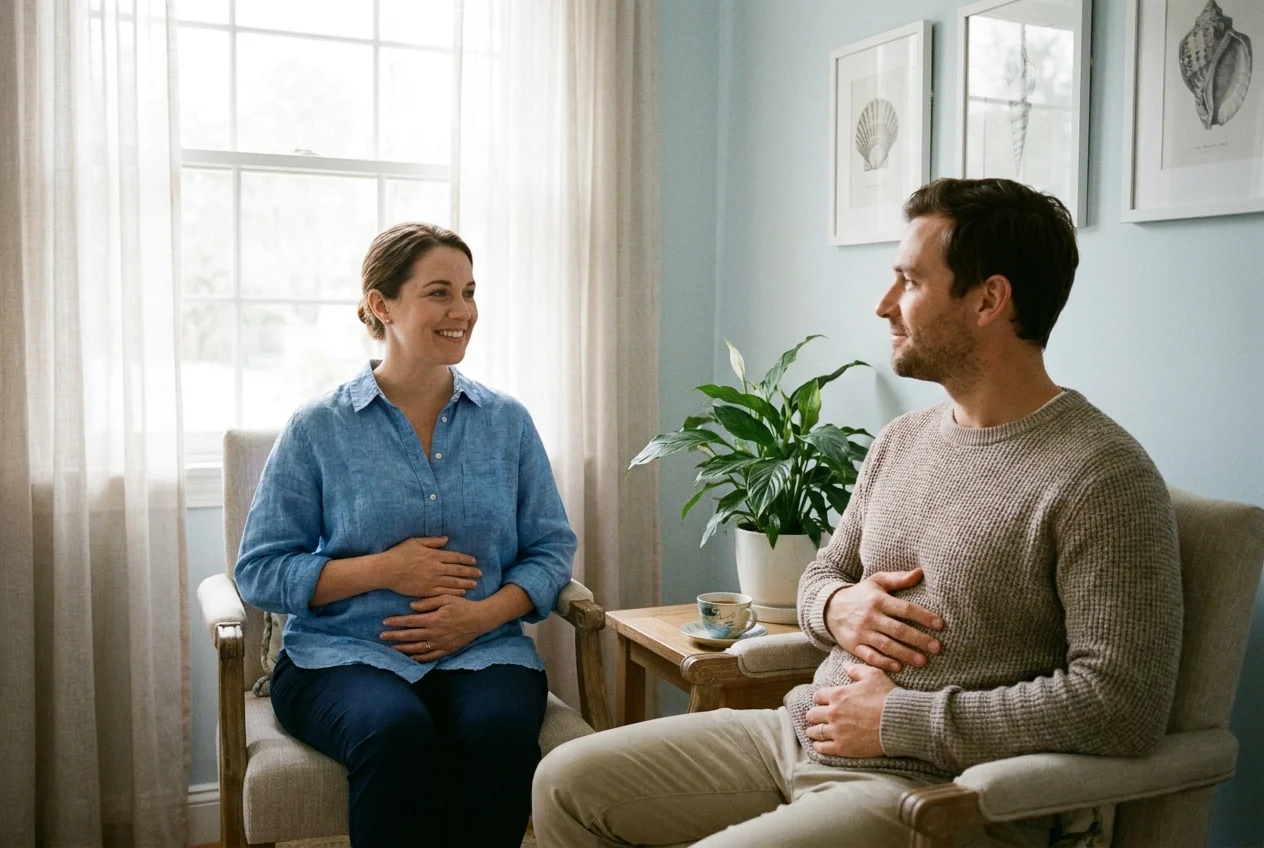
Soothing sound can help soften the edges of a clinical environment. Gentle music, ocean-like ambience, or a quieter room can give the brain something pleasant and predictable to follow. This does not erase every dental sound, but it can reduce the feeling that those sounds are the main focus of the appointment.
Lighting also plays an important role. Bright task lighting is necessary for safe, precise dentistry, but the overall studio atmosphere can still feel warm and balanced.
Scent is handled with the same intention. A fresh, clean environment should not feel overwhelming. Subtle, coastal-inspired freshness can make the space feel inviting, while sensitivity to fragrance preferences ensures that comfort remains personal rather than one-size-fits-all.
The Role of Communication in a Relaxed Visit
Guided relaxation is not only about breathing or design. It is also about the way a care team communicates. Clear, compassionate communication helps patients understand what is happening and why.
Some patients want a full walkthrough of the visit. Others prefer only essential updates. Both preferences are valid. Our approach is to ask, listen, and adapt.

This collaborative style supports trust. Dentistry is intimate care. It involves close proximity, detailed work, and vulnerability. Respectful communication reminds patients that they are not just receiving treatment.
Why This Matters for Long-Term Oral Health
When dental visits feel calmer, patients are more likely to keep regular appointments. That consistency matters. Preventive cleanings, exams, digital imaging when needed, and early conversations about concerns can help identify small issues before they become painful, expensive, or urgent.
A more relaxed studio experience can also change a person’s relationship with dentistry over time. Someone who once avoided appointments may begin to feel capable of returning every six months.
A Gentler Way to Care for Every Smile
Our ocean-inspired studio was created around a simple belief: people deserve dental care that supports the whole person, not just the teeth. Guided relaxation, thoughtful design, sensory comfort, and patient-centered communication work together to create visits that feel more peaceful and more empowering.
For our community, this approach is more than a style choice. It is a commitment to making oral health feel accessible, respectful, and sustainable. Whether a patient arrives confident, nervous, curious, or cautious, our goal is to offer a dental experience that feels steady, refreshing, and deeply human from the first breath to the final smile.
Need help with Guided Relaxation: How Our Ocean-Inspired Studio Transforms Dental Visits?