

A brighter smile can make your teeth look healthier, your face look more refreshed, and your overall appearance feel more polished. But many people considering teeth whitening have the same concern: they want noticeable results without a smile that looks unnaturally bright or out of sync with their features.
Modern cosmetic dentistry focuses on balance, not exaggeration. When teeth whitening is planned thoughtfully, it can lift stains, enhance your natural enamel shade, and create a clean, confident look while still preserving the character of your smile.
Why Natural-Looking Whitening Starts With the Right Shade Goal
One of the biggest misconceptions about teeth whitening is that the goal should always be the whitest possible shade. In reality, the most flattering whitening result is usually the one that complements your skin tone, age, facial features, and the natural translucency of your teeth. A smile that looks bright but believable often appears more elegant than one that is overly white.
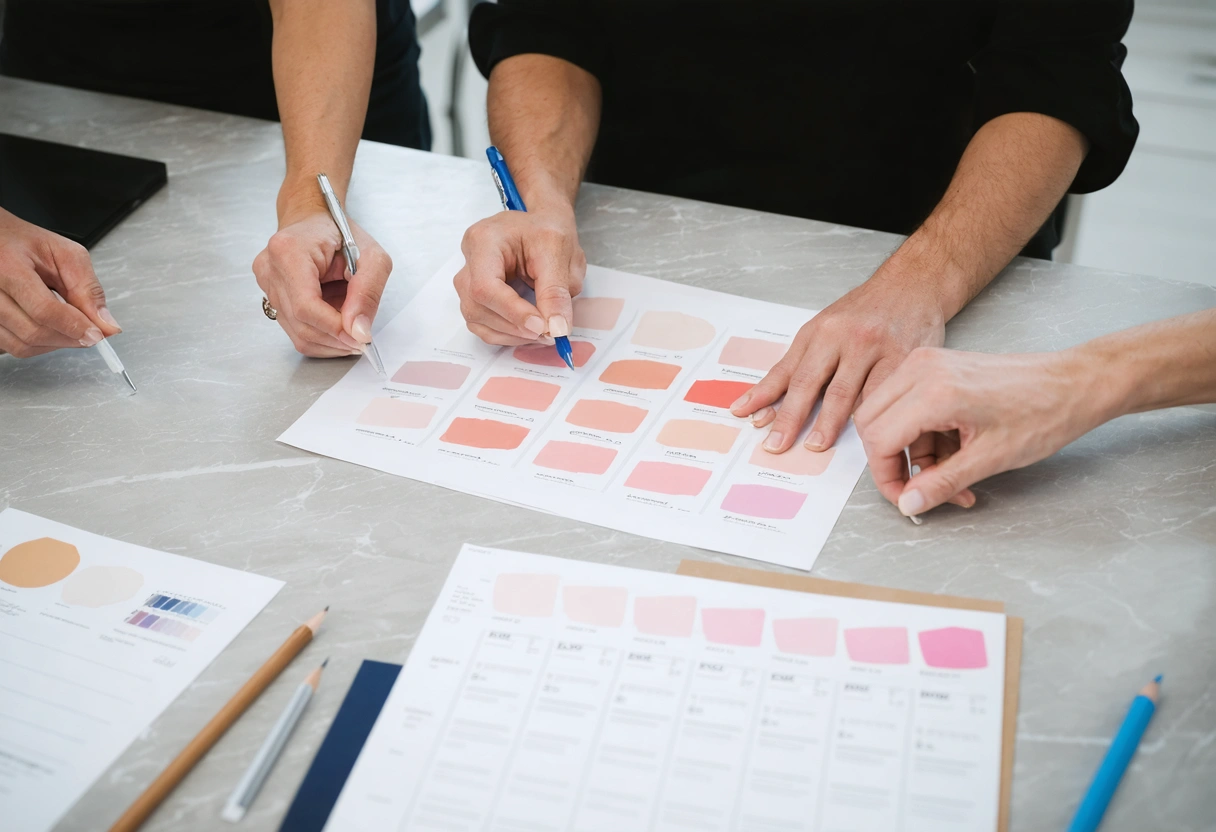
Professional cosmetic dentistry takes these details into account before whitening begins. Instead of choosing a shade in isolation, a dentist may evaluate your current tooth color, the type of discoloration present, existing dental restorations, and how your teeth show when you speak or smile. This helps create a whitening plan that enhances your appearance without making the teeth look artificial.
Natural-looking whitening also depends on understanding that teeth are not meant to be a flat, uniform white. Healthy enamel has subtle variations in color, brightness, and translucency. Preserving that dimension is part of what keeps a whitened smile looking authentic rather than overdone.

Common Reasons Teeth Become Dull or Discolored
Tooth discoloration can develop gradually from everyday habits and natural aging. Coffee, tea, red wine, dark berries, tobacco, and certain sauces can leave surface stains on enamel over time. Even with good brushing habits, these pigments can settle into tiny pores in the tooth surface and make the smile appear less vibrant.
Internal changes can also affect tooth color. As enamel becomes thinner with age, more of the yellow-toned dentin beneath it can show through. Some medications, past dental trauma, and developmental factors may also influence the color of the teeth from within. Knowing the source of discoloration is important because different types of stains respond differently to whitening treatment.
How Professional Whitening Helps Avoid an Overdone Look
Professional teeth whitening offers a more controlled approach than many over-the-counter options. While store-bought whitening strips or trays may provide some improvement, they are not customized to your teeth, your gumline, or your ideal shade range. This can sometimes lead to uneven whitening, gum irritation, or results that do not match the rest of your smile.
In a dental setting, whitening can be tailored to your specific needs. The strength of the whitening gel, the application method, and the length of treatment can all be adjusted. This level of control makes it easier to brighten the smile gradually and stop at a shade that looks fresh, clean, and natural rather than excessively white.
A dentist can also identify issues that should be addressed before whitening, such as cavities, gum inflammation, enamel wear, or visible tartar buildup. Whitening works best on clean, healthy teeth, and treating these concerns first can improve both comfort and final results. It also helps ensure that cosmetic improvements support long-term oral health.
Why Existing Dental Work Matters Before Whitening
Teeth whitening products are designed to lighten natural tooth enamel, but they do not change the color of porcelain crowns, veneers, dental bonding, or tooth-colored fillings. If these restorations are visible when you smile, whitening your natural teeth without planning around them could create a mismatch.

This does not mean whitening is off the table. It simply means the sequence matters. In some cases, whitening is completed first so that any future bonding, veneers, or crowns can be matched to the brighter shade. In other cases, a dentist may recommend a more conservative shade goal to keep your natural teeth harmonious with existing restorations.
The Difference Between Bright, Healthy, and Too White
A naturally bright smile still has depth. The edges of the front teeth may look slightly more translucent, the area near the gumline may appear a touch warmer, and individual teeth may reflect light in slightly different ways. These subtle variations are part of what makes real enamel attractive. When whitening is done with restraint, those details remain visible, giving the smile a healthy glow rather than a flat, painted appearance.
An overdone result often happens when the final shade is dramatically lighter than what suits the rest of the face. Teeth that are too white can draw attention away from the eyes, lips, and natural expression. They may also make neighboring teeth, older restorations, or minor alignment concerns more noticeable. In smile design, brightness is only one part of the equation. Proportion, symmetry, gum display, tooth shape, and facial harmony all influence whether the result feels sophisticated or excessive.
Another important factor is age appropriateness. A very bright shade may look fitting for someone with naturally thick enamel and youthful facial features, but the same shade may appear less natural on someone whose smile has more translucency or whose facial tones are softer. Cosmetic dentistry is not about creating the same white smile for everyone. It is about finding the level of brightness that supports your overall appearance.
In-Office Whitening, Take-Home Trays, and Combination Approaches
There are several professional whitening options, and each one can be used strategically to create a natural result. In-office whitening is often chosen for patients who want a faster improvement. During this type of visit, the gums and soft tissues are protected while a professional whitening gel is applied to the teeth. Because the process is supervised, the treatment can be monitored closely for comfort and shade progression.
Custom take-home whitening trays offer another highly controlled option. These trays are made to fit your teeth precisely, helping the whitening gel stay where it belongs. Unlike generic trays, custom trays reduce the chance of gel spreading onto the gums and allow for more even coverage. They are often used over several days or weeks, which can be ideal for patients who prefer a gradual transformation.
Some patients benefit from a combination approach. For example, an in-office treatment may be used to lift the overall shade, followed by custom trays for fine-tuning and maintenance. This can create a bright result without rushing the process. Gradual whitening also gives patients time to adjust visually and stop before the smile looks brighter than desired.
Why Gradual Whitening Can Look More Refined
Gradual whitening is especially helpful for people who are worried about looking dramatically different overnight. As the shade changes in smaller increments, the result tends to feel more natural to the patient and to others. Friends and coworkers may notice that the smile looks cleaner or more radiant without immediately identifying that a cosmetic treatment was done.
This slower approach can also reduce the temptation to over-whiten. When patients see the improvement develop step by step, they can make a more informed decision about when the smile has reached the right level of brightness. For many people, a few shades lighter is enough to make a major difference.
Managing Sensitivity and Protecting Enamel
Tooth sensitivity is one of the most common concerns people have about whitening. Temporary sensitivity can occur when whitening ingredients pass through enamel and interact with the inner tooth structure. This does not mean the enamel is being damaged when treatment is properly planned, but it can be uncomfortable if the product is too strong, used too often, or applied without professional guidance.

A dentist may recommend strategies to make whitening more comfortable. These can include using a lower concentration gel, shortening application times, spacing out whitening sessions, or using desensitizing products before and after treatment. Patients with gum recession, worn enamel, or a history of sensitivity may need a more conservative plan to achieve results comfortably.
Protecting enamel also involves avoiding excessive whitening. More treatment does not always mean a better smile. Once stains have been lifted and the teeth have reached a suitable shade, continuing to whiten can increase sensitivity and may create a chalky or unnatural appearance. A healthy whitening plan respects the biology of the teeth as much as the cosmetic goal.
Lifestyle Habits That Help Results Stay Fresh
Whitening results are not permanent, but they can last longer with thoughtful daily habits. Dark beverages such as coffee, tea, cola, and red wine are among the most common sources of recurring stain. This does not mean you must eliminate them completely, but small adjustments can help.
Good oral hygiene also plays a major role. Brushing twice daily, flossing consistently, and keeping up with professional cleanings help prevent plaque and tartar from dulling the smile.
Diet can influence brightness as well. Crunchy fruits and vegetables such as apples, carrots, and celery can help clear away some surface debris while supporting saliva flow.
Touch-Ups Without Overdoing It
Touch-up whitening should be occasional and intentional. Many patients do well with brief maintenance using custom trays as recommended by their dentist. The goal is to refresh the shade, not restart the entire whitening process every time the teeth look slightly less bright.
It is also helpful to reassess the smile periodically. Changes in restorations, enamel thickness, gum position, or personal preferences may affect what shade looks best over time.
When Whitening Should Be Combined With Other Smile Design Treatments
Teeth whitening can make a dramatic difference, but it does not change tooth shape, spacing, alignment, or surface texture. If the smile has chipped edges, uneven tooth lengths, old bonding, or worn enamel, whitening alone may brighten the teeth while leaving other concerns visible.
For example, a patient with mildly discolored teeth and small chips may whiten first, then have conservative bonding placed to repair the edges. Someone with deeper discoloration, uneven proportions, or visible restorations may be better served by porcelain veneers after the desired baseline shade is established.
The key is sequencing. Whitening is often performed before new cosmetic restorations so the final materials can be matched to the refreshed tooth color. This creates a cohesive result where the teeth look naturally bright instead of patched together.
What to Expect From a Natural Whitening Consultation<!–
Need help with How Teeth Whitening Can Brighten Your Smile Without Looking Overdone?