

In the realm of restorative dentistry, patients often seek solutions that are not only effective but also aesthetically pleasing. Tooth-colored fillings have emerged as a popular choice for individuals looking to restore dental health without compromising the appearance of their smile. These fillings offer a balance of functionality and visual appeal, making them an ideal option for many dental repairs.
As dental technology advances, so too do the options available for dental restorations. Understanding what tooth-colored fillings are, how they work, and why they are an excellent option can significantly empower patients in making informed decisions about their dental health.
Understanding Tooth-Colored Fillings
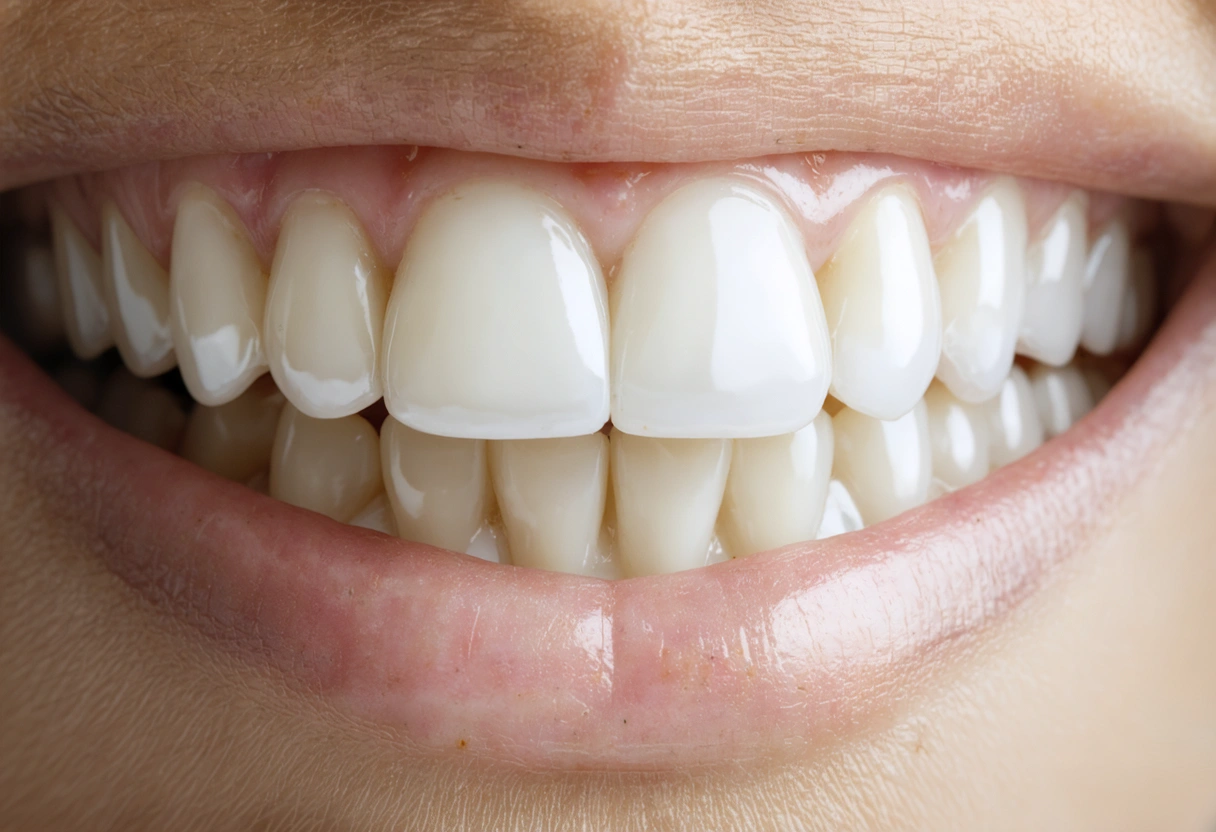
Tooth-colored fillings, also known as composite fillings, are dental restorations made from a mixture of glass or quartz filler in a resin medium that produces a tooth-like appearance. Unlike traditional amalgam fillings, which are made from a mixture of metals, tooth-colored fillings are designed to blend seamlessly with the natural color of teeth.
The composite material used in these fillings not only matches the natural tooth color but also bonds directly to the tooth structure. This provides additional support to the tooth and reduces the likelihood of future breakage. The bonding process involves a special adhesive and curing light that hardens the composite material, ensuring a durable and lasting restoration.
Advantages Over Traditional Fillings
The advantages of tooth-colored fillings extend beyond their aesthetic appeal. One significant benefit is the conservation of tooth structure. Because these fillings can be bonded to the tooth, less drilling is required, preserving more of the natural tooth structure compared to amalgam fillings. This also means that the procedure is often less invasive and can be completed with minimal discomfort.
Moreover, tooth-colored fillings are mercury-free. For patients who are concerned about the potential health risks associated with mercury in amalgam fillings, composite fillings offer a safe and effective alternative. Additionally, the material used in composite fillings is less prone to expansion and contraction due to temperature changes, reducing the risk of tooth fractures.

The Procedure: What to Expect
Understanding the procedure for getting tooth-colored fillings can help alleviate any anxiety patients may have. The process typically begins with the dentist administering local anesthesia to numb the area around the tooth that requires treatment. This ensures that the procedure is pain-free and comfortable for the patient.
Once the area is numb, the dentist will remove the decayed portion of the tooth. This is done with precision to preserve as much of the natural tooth as possible. After the decay is removed, the tooth is cleaned and prepared for the filling. The composite material is then applied in layers, with each layer being hardened using a special curing light.
Finishing Touches
After the composite is applied and hardened, the dentist will shape the filling to ensure it fits perfectly with the natural bite of the patient. This involves trimming any excess material and polishing the surface to achieve a smooth finish. The final result is a restoration that is not only functional but virtually indistinguishable from the natural tooth.
Patients can expect a seamless restoration that restores the integrity of their tooth while maintaining a natural appearance. The entire procedure is typically completed in a single visit, though larger restorations may require additional appointments.
Long-Term Care and Maintenance
Maintaining tooth-colored fillings is relatively straightforward and involves the same oral hygiene practices recommended for natural teeth. Regular brushing with fluoride toothpaste and flossing are essential to prevent decay around the filling and to maintain overall oral health.

Patients should also schedule regular dental check-ups to monitor the condition of their fillings and to ensure that any potential issues are addressed promptly. During these visits, the dentist will examine the fillings for any signs of wear or damage and provide professional cleaning to remove plaque and tartar build-up.
Potential Issues and Solutions
While tooth-colored fillings are durable, they may still experience wear over time. Common issues include chipping or discoloration, which can occur due to habits such as teeth grinding or consuming staining foods and beverages. If any issues arise, they can often be easily repaired by a dentist.
Patients can help preserve their fillings by avoiding hard foods that may cause damage and by using a mouthguard if they grind their teeth at night. By taking these precautions and following good oral hygiene practices, patients can ensure the longevity of their tooth-colored fillings.
Choosing the Right Dental Professional
The success of tooth-colored fillings largely depends on the skill and expertise of the dental professional performing the procedure. It’s crucial to choose a dentist who is experienced in restorative dentistry and who stays up-to-date with the latest advancements in dental materials and techniques.
When selecting a dentist, consider their credentials, patient reviews, and the range of services they offer. A dentist who takes the time to explain the procedure and answer any questions can provide reassurance and confidence in the treatment process. Additionally, patients should feel comfortable discussing their expectations and any concerns they may have.
Finding a Specialist
For complex cases or multiple restorations, seeking out a specialist in restorative dentistry may be beneficial. These professionals have advanced training and experience in handling intricate dental restorations and can provide tailored treatment plans to meet individual needs.
Consulting with a specialist can also provide access to a wider range of treatment options and cutting-edge techniques that may not be available in a general dental practice. This can lead to better outcomes and a more satisfying patient experience.
The Path to a Restored Smile
Tooth-colored fillings represent an excellent option for those seeking to restore their dental health while maintaining a natural-looking smile. Their ability to blend seamlessly with existing teeth, coupled with their durability and safety, make them a superior choice for many patients.
By understanding the benefits and process of tooth-colored fillings, patients can approach their dental care with confidence. With the right dental professional and a commitment to oral health, achieving a beautiful and healthy smile is within reach. Remember to consult with your dentist to determine the best restorative option for your unique dental needs and to explore the possibilities that modern dental technology has to offer.
Innovations in Tooth-Colored Filling Materials
Recent advancements in dental materials have further enhanced the effectiveness and application of tooth-colored fillings. These innovations focus on improving the durability, longevity, and aesthetic properties of the composite materials used in these fillings. Researchers continue to develop new formulas that offer increased resistance to wear and better color stability, which are critical factors in maintaining a natural appearance over time.
Nanotechnology has played a significant role in the evolution of composite fillings. By incorporating nanoparticles into the resin mixture, manufacturers have been able to create fillings that are smoother and stronger. These nanoparticles enhance the material’s ability to resist abrasion and reduce the likelihood of staining, ensuring that the fillings maintain their appearance even with regular exposure to staining agents like coffee and red wine.
Biocompatibility and Safety
Another area of innovation is the focus on biocompatibility and safety. Dental researchers are constantly evaluating the materials used in fillings to ensure they are safe for long-term use. This includes testing for any potential allergens or irritants and ensuring that the materials do not leach harmful substances into the body.

With the increasing demand for holistic and minimally invasive dental treatments, manufacturers are also exploring the use of bioactive materials. These materials can interact positively with the body’s natural processes, promoting the remineralization of tooth structure and enhancing the overall health of the tooth. By integrating these advanced materials into tooth-colored fillings, the dental industry is moving towards solutions that not only repair but also regenerate dental tissue.
Environmental and Ethical Considerations
In addition to their clinical benefits, tooth-colored fillings also offer environmental and ethical advantages. Unlike amalgam fillings, which contain mercury, composite fillings are mercury-free and therefore do not pose the same environmental disposal challenges. Mercury is a hazardous material that requires careful handling and disposal to prevent environmental contamination.
Furthermore, the production of composite fillings can align with sustainable practices. Many manufacturers are adopting eco-friendly processes to reduce their carbon footprint and minimize waste. By choosing tooth-colored fillings, patients are not only opting for a solution that benefits their oral health but also supporting environmentally responsible practices in dentistry.
Patient-Centric Approach
The shift towards tooth-colored fillings reflects a broader trend in dentistry that prioritizes patient satisfaction and comfort. Patients today are more informed and proactive about their dental care, seeking treatments that align with their personal values and aesthetic preferences. The ability to choose a filling that matches the natural color of their teeth empowers patients to take control of their oral health without sacrificing their appearance.
Moreover, the focus on patient-centric care means that dentists are more attuned to the individual needs and concerns of their patients. This involves personalized treatment plans that consider factors such as the patient’s lifestyle, dental history, and long-term goals. By fostering open communication and collaboration, dental professionals can provide care that is both effective and compassionate.
The Future of Restorative Dentistry
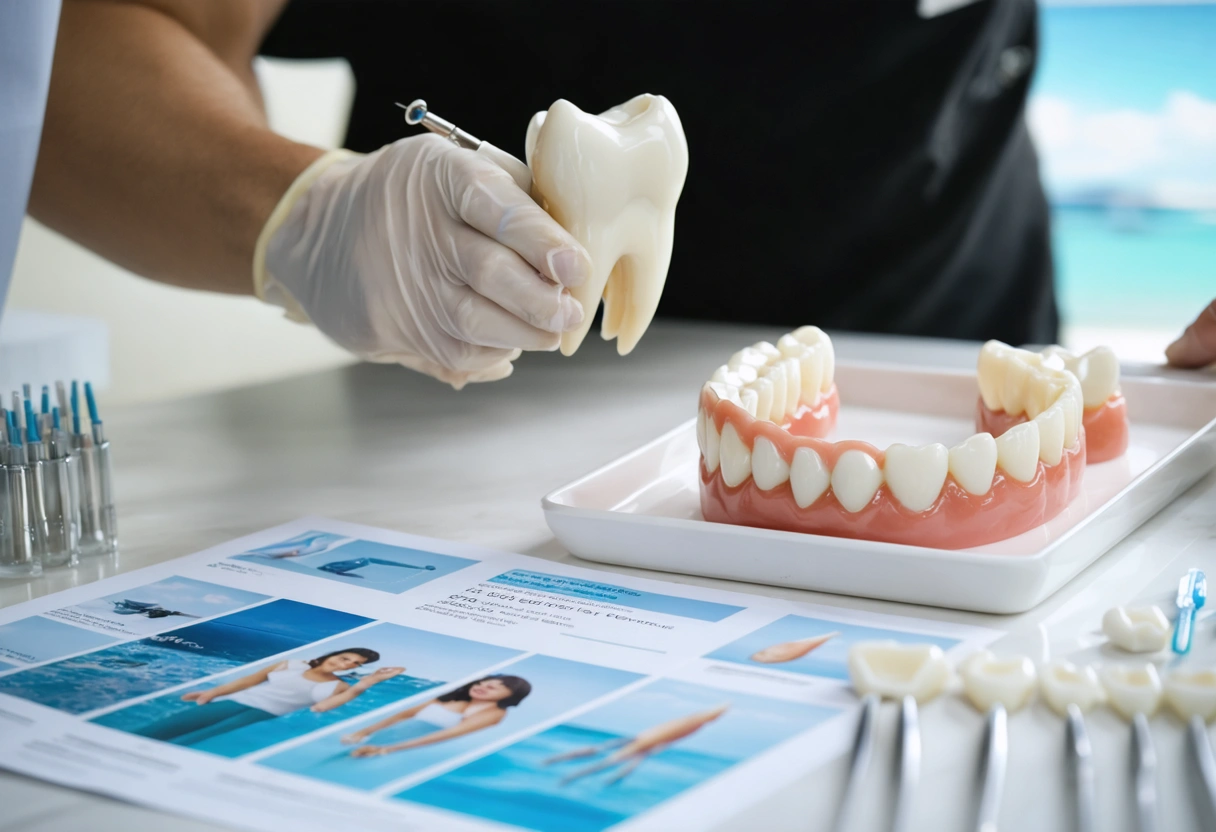
The future of restorative dentistry is poised to be even more exciting with the ongoing development of new technologies and materials. Innovations such as 3D printing and digital scanning are already transforming how dental restorations are designed and implemented, offering unprecedented precision and customization.
These technologies allow for the creation of highly personalized dental restorations that fit the unique contours of each patient’s teeth. This level of customization not only improves the fit and function of the fillings but also enhances their aesthetic appeal. As these technologies become more accessible, patients can expect even greater efficiency and effectiveness in their dental treatments.
Education and Continuing Research
The advancements in tooth-colored fillings and restorative dentistry are supported by continuous education and research. Dental professionals must stay informed about the latest developments and techniques to provide the highest standard of care. This involves ongoing training and participation in professional organizations that promote best practices and knowledge sharing.
Research into new materials and methods is crucial for driving innovation and improving patient outcomes. Collaborative efforts between universities, research institutions, and dental manufacturers are essential for developing the next generation of dental solutions that are safer, more effective, and more sustainable.
As we look to the future, the commitment to research and education will ensure that restorative dentistry continues to evolve, offering patients the best possible care and restoring confidence in their smiles.
Need help with Restoring Confidence with Gentle and Effective Tooth-Colored Fillings?