For many people, dental anxiety begins with uncertainty. Concerns about discomfort, unfamiliar sounds, or not knowing what to expect can make even routine care feel overwhelming.
At Soleil Dental Studio in North Port, advanced tools support the gentle, personalized approach of Dr. Rudy Carballo, Dr. Valentina Barrucci, and the Soleil team.
Comfort Begins With a Clearer, More Detailed Diagnosis
A comfortable dental experience starts long before a procedure begins. When a dentist can identify concerns early and see them in exceptional detail, treatment may be simpler and more conservative.
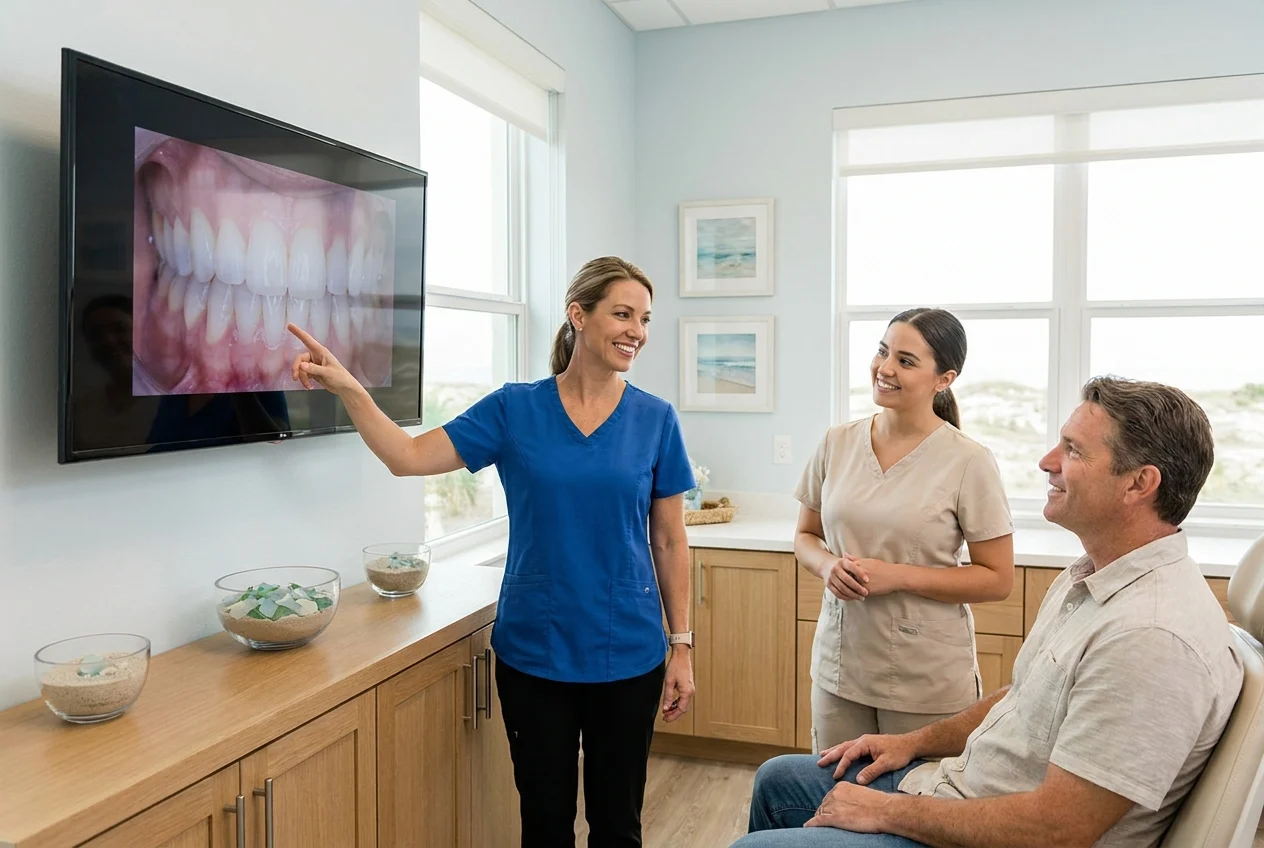
This added clarity also helps patients feel more involved in their care. Rather than hearing an unfamiliar clinical description, patients can often view detailed images of their teeth and discuss the findings alongside their dentist.
Digital X Rays With Faster, Clearer Imaging
Digital X rays capture images quickly and make them available for immediate review. They help reveal areas that are difficult to see directly, including cavities between teeth, changes around tooth roots, bone levels, and concerns beneath existing restorations.
Digital dental X rays generally use significantly less radiation than traditional film based methods, contributing to a streamlined and wellness focused approach to preventive and restorative care.
Intraoral Cameras Help Patients See What the Dentist Sees
An intraoral camera is a small handheld device that captures high resolution images inside the mouth. It can show a worn filling, a fine crack, areas of inflammation, or early changes that may otherwise be difficult for a patient to understand.
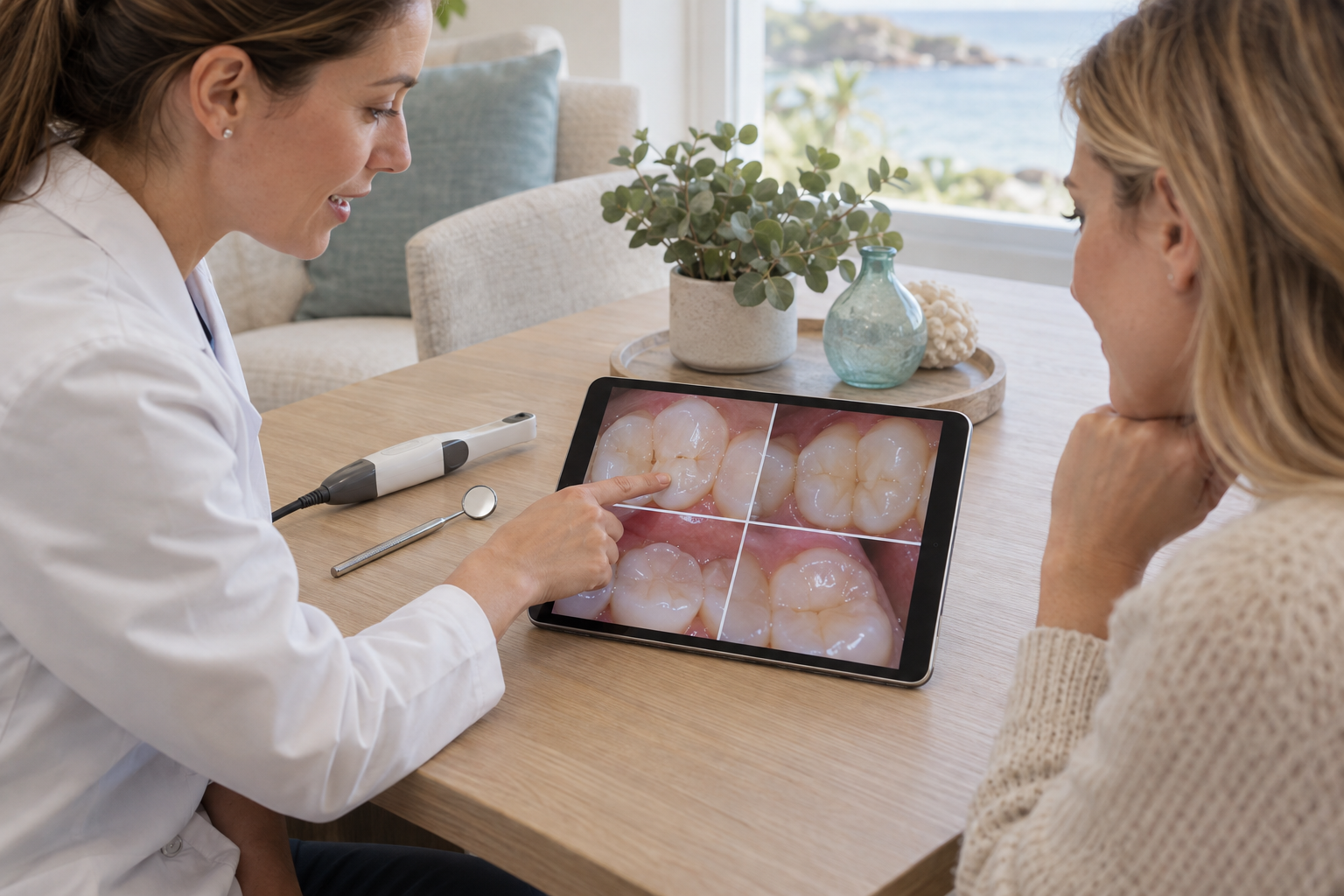
Seeing these images can make dental conversations feel more transparent and collaborative. Patients are better able to ask informed questions and understand whether an area should be monitored or treated.
Precision Technology Supports Gentler Treatment
Modern dentistry is increasingly focused on preserving as much natural tooth structure as possible. Detailed imaging, careful planning, and precise instruments can help dentists target the specific area that needs attention while minimizing unnecessary impact on surrounding tissues.
Digital Scanning Can Replace Traditional Impressions
Traditional dental impressions require a tray filled with impression material to remain in the mouth while it sets. Although still useful in certain situations, this process can feel uncomfortable for patients with a sensitive gag reflex, breathing concerns, or dental anxiety.
The scanner captures a series of detailed images to create a three dimensional model of the teeth and bite. These digital models may be used when planning crowns, bridges, clear aligners, night guards, and other custom restorations or appliances.
Magnification Encourages Conservative Care
Enhanced magnification and focused lighting allow dentists to work with a highly detailed view of the treatment area. Small changes in tooth structure, restoration margins, and soft tissue can be evaluated more precisely than with the unaided eye alone.
This level of visibility supports dentistry as both a science and an art. It helps the dentist remove damaged material carefully, refine restorations accurately, and protect healthy structure whenever possible.
Technology Can Make the Treatment Process More Comfortable
Once treatment begins, comfort depends on more than a single tool. Precise planning, effective numbing, efficient techniques, and regular communication all work together to create a gentler experience.
Careful Anesthetic Delivery Supports Effective Numbing
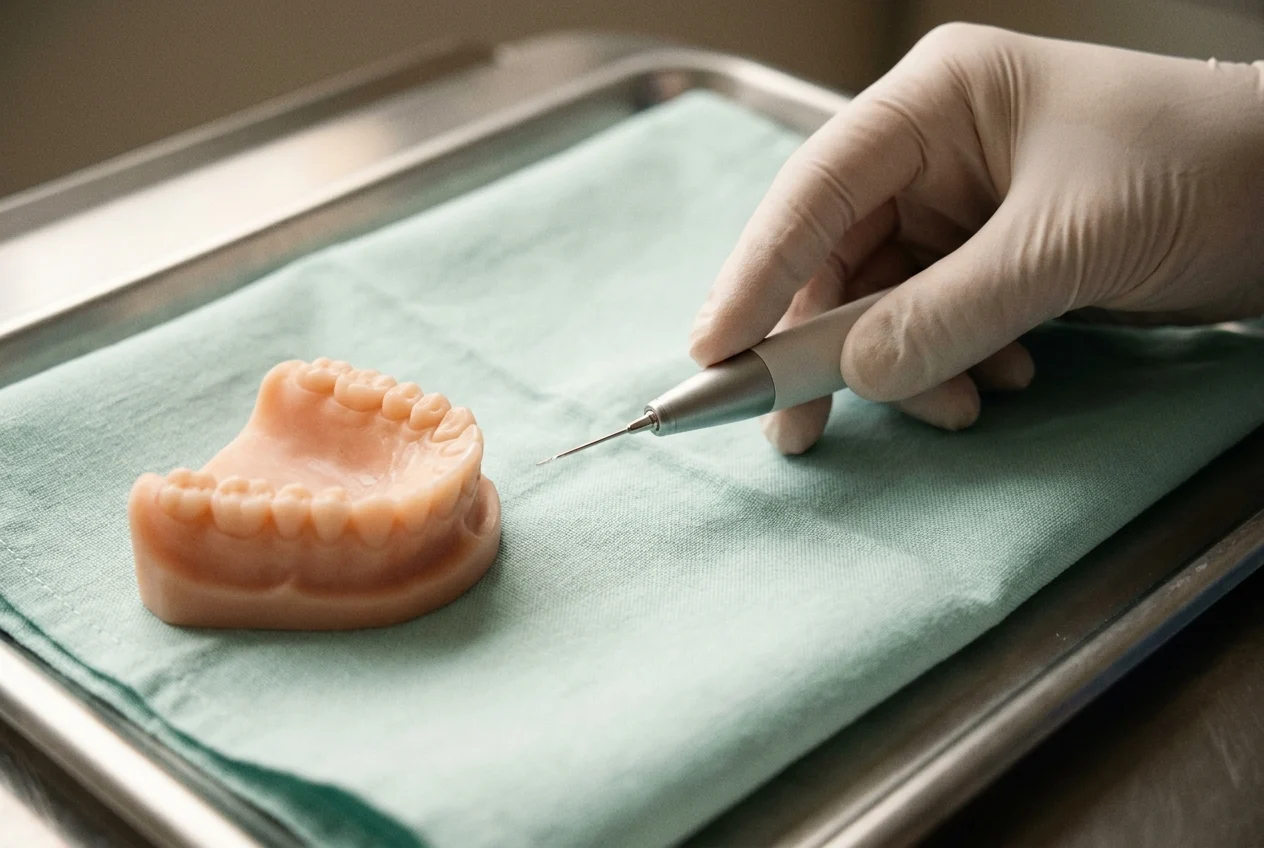
Local anesthetic is used to prevent discomfort during many restorative and surgical procedures. Modern delivery techniques allow the dentist to place anesthetic slowly and precisely, which can reduce the pressure or stinging sensation that some patients associate with injections.
Electric Handpieces Offer Greater Control
Electric dental handpieces provide consistent power at controlled speeds, allowing the dentist to shape a tooth or refine a restoration with precision. Compared with some traditional air driven instruments, they may produce less vibration and a different sound, which can feel more comfortable for patients who are sensitive to dental sensations.
Dental Lasers May Reduce Contact With Sensitive Tissues
Dental lasers can be used for selected soft tissue procedures and, depending on the specific technology, certain treatments involving teeth. A laser delivers focused energy to a precise area, which may reduce the need for traditional instruments in appropriate cases.
For soft tissue care, laser technology may support controlled treatment with limited bleeding and swelling. Some patients also experience a more comfortable recovery. Lasers are not the right choice for every procedure, however, so the dentist considers the location, tissue type, and treatment goal before recommending their use.
Digital Planning Helps Reduce Uncertainty
Fear often grows when a patient cannot picture what will happen or how the result may look. Digital planning tools help turn an abstract treatment discussion into a clearer, more visual experience.
Three Dimensional Imaging Provides a Broader View
When clinically appropriate, three dimensional dental imaging can provide detailed information about teeth, roots, bone, nerves, airways, and surrounding anatomy. This broader view can be especially valuable when planning dental implants, evaluating complex tooth concerns, or preparing for certain surgical procedures.
Knowing the position and dimensions of important structures in advance allows the dentist to plan with greater accuracy. This can make treatment more predictable and may reduce the need for exploratory steps during a procedure.
Virtual Smile Planning Supports Natural Looking Results
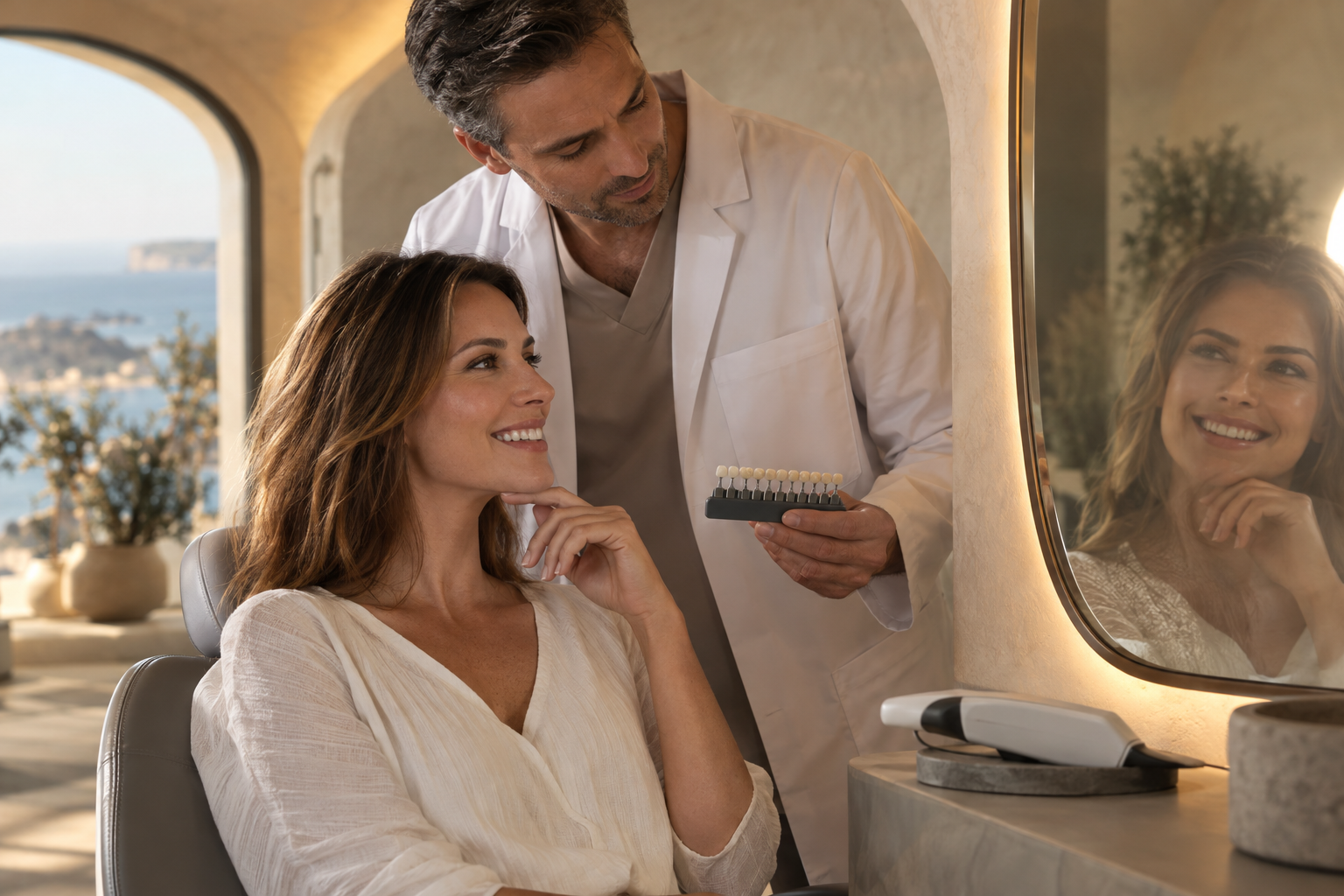
Cosmetic and restorative dentistry require attention to proportion, symmetry, color, facial features, and the way the teeth function together. Digital photographs and scans can help the dentist study these details and plan changes with the patient’s overall appearance in mind.
Depending on the treatment, digital simulations or previews may help communicate possible changes before care begins. These previews are planning and communication tools rather than guarantees of an exact result.
Digital Workflows Improve Communication With Dental Laboratories
Custom crowns, bridges, veneers, and appliances often require close collaboration between the dental practice and a skilled dental laboratory. Digital scans can transmit detailed information about tooth shape, bite relationships, and restoration margins without the risk of an impression changing shape during transport.
Clear digital records can help the dentist and laboratory communicate about fine details such as contours, shade, texture, and fit. This precision may reduce the need for extensive adjustments when the restoration is placed, supporting both comfort and a natural appearance.
Modern Technology Can Support a Smoother Recovery
A comfortable experience continues after the appointment. Conservative preparation, precise tissue management, and well fitting restorations can all influence how the mouth feels while it heals.
Accurate Bite Analysis Helps Prevent Post Treatment Sensitivity
Even a small imbalance in the bite can make a newly restored tooth feel tender or unusually noticeable. Digital records, articulating materials, and careful clinical evaluation help the dentist identify where the teeth contact when a patient bites and moves the jaw.
After a filling, crown, or other restoration is placed, the bite can be checked and refined to distribute pressure more comfortably. Patients should still report a restoration that feels too high, causes persistent pain, or interferes with chewing.
Detailed Records Make Follow Up Care More Personal
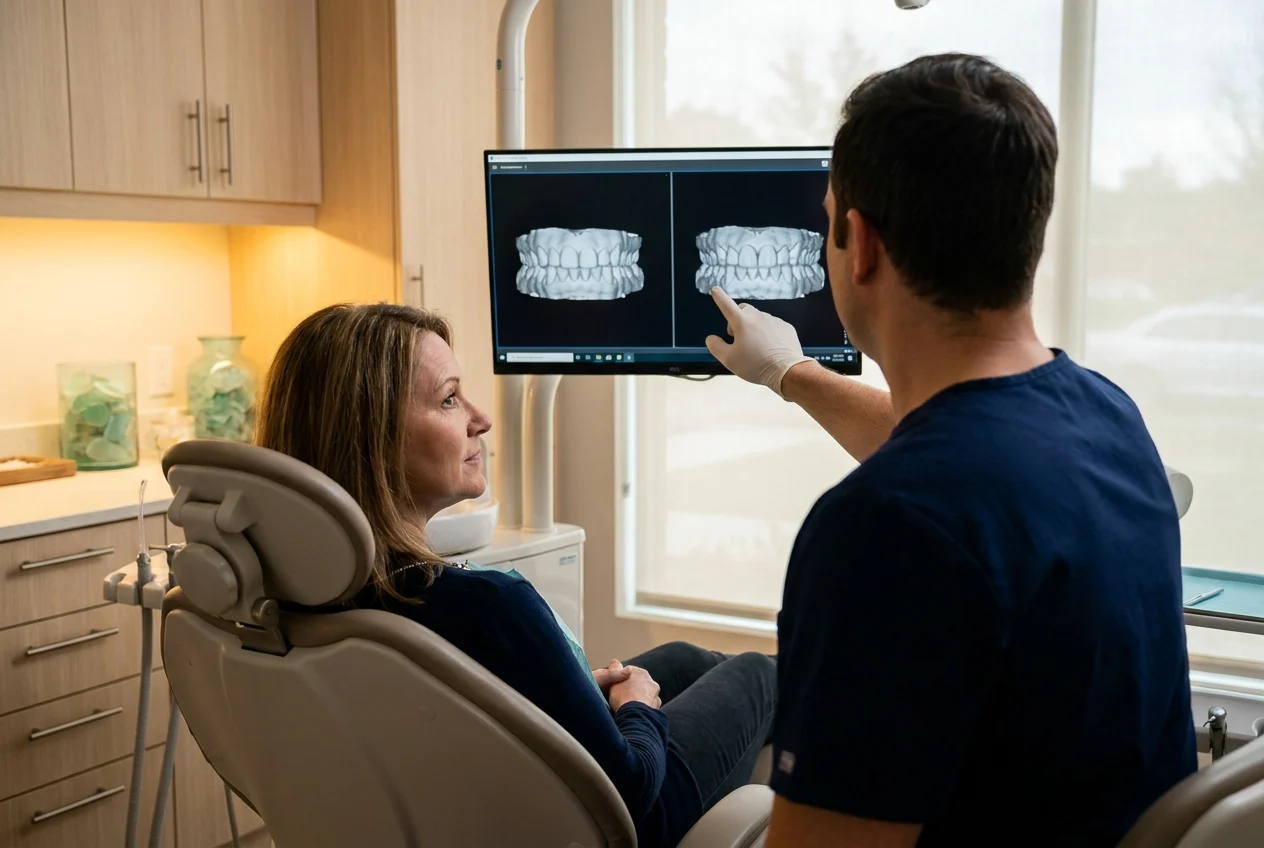
Digital images and scans create a useful baseline for monitoring changes over time. During future visits, the dental team can compare current findings with earlier records instead of relying only on memory or general descriptions.
Technology Helps Patients Feel More in Control
Dental anxiety is not always related to physical discomfort. Some patients worry about being unable to communicate, feeling rushed, or receiving unexpected treatment. Technology can help address these concerns by making information easier to understand, but communication remains essential.
Before treatment, the dentist can use images and models to explain the condition, review appropriate options, and describe likely sensations. During care, patients can agree on a simple hand signal to request a pause.
Comfort Can Be Personalized for Sensory Sensitivities
Sounds, bright lights, tastes, and physical sensations affect people differently. A patient with a strong gag reflex may benefit from digital scanning, while someone who is sensitive to noise may appreciate headphones and an explanation of when certain instruments will be used.
Sharing these concerns before an examination allows the dental team to plan thoughtfully. At Soleil Dental Studio, the ocean inspired environment complements this individualized approach by creating a calm setting where patients can settle in without feeling hurried.
Fewer Surprises Can Mean Less Anxiety
No technology can eliminate every unexpected finding, but detailed diagnostics make many aspects of care more predictable. Patients can review the treatment sequence, expected appointment length, anesthetic options, recovery considerations, and alternatives before making a decision.
This preparation is particularly helpful for someone returning to dentistry after a long absence. Care can often be divided into manageable phases, beginning with the most urgent needs and progressing at a pace that respects comfort, health priorities, and personal circumstances.

Advanced Tools Still Depend on Compassionate Expertise
Technology is most valuable when guided by clinical experience, careful judgment, and genuine listening. No scanner, image, or instrument can replace a dentist’s understanding of a patient’s concerns, health history, goals, and comfort preferences.
Dr. Rudy Carballo, Dr. Valentina Barrucci, and the Soleil team combine modern dental technology with a gentle, minimally invasive philosophy. Each tool is selected to improve clarity, precision, and comfort while preserving healthy tooth structure whenever possible.
Not Every Technology Is Needed for Every Patient
Appropriate care is always individualized. A diagnostic tool or treatment technique that benefits one patient may not be necessary for another. Recommendations should reflect the condition of the teeth and gums, overall health, treatment goals, and the benefits and limitations of each option.
Patients can ask how a particular technology will improve diagnosis, comfort, accuracy, or long term results. A clear explanation helps ensure that advanced care remains purposeful rather than technology for its own sake.
A Gentler Dental Experience Through Precision and Understanding
Modern dental technology can make care feel less intimidating by improving diagnosis, reducing uncomfortable impressions, supporting conservative treatment, and making each step easier to understand.
The most reassuring experience comes from combining these capabilities with patience and personal attention. When patients feel informed, heard, and able to pause when needed, technology becomes part of a broader approach to dental wellness that supports confidence both during treatment and long afterward.
Could advanced dental technology help you feel more at ease during treatment?
Contact Soleil Dental Studio for personalized guidance and compassionate care.