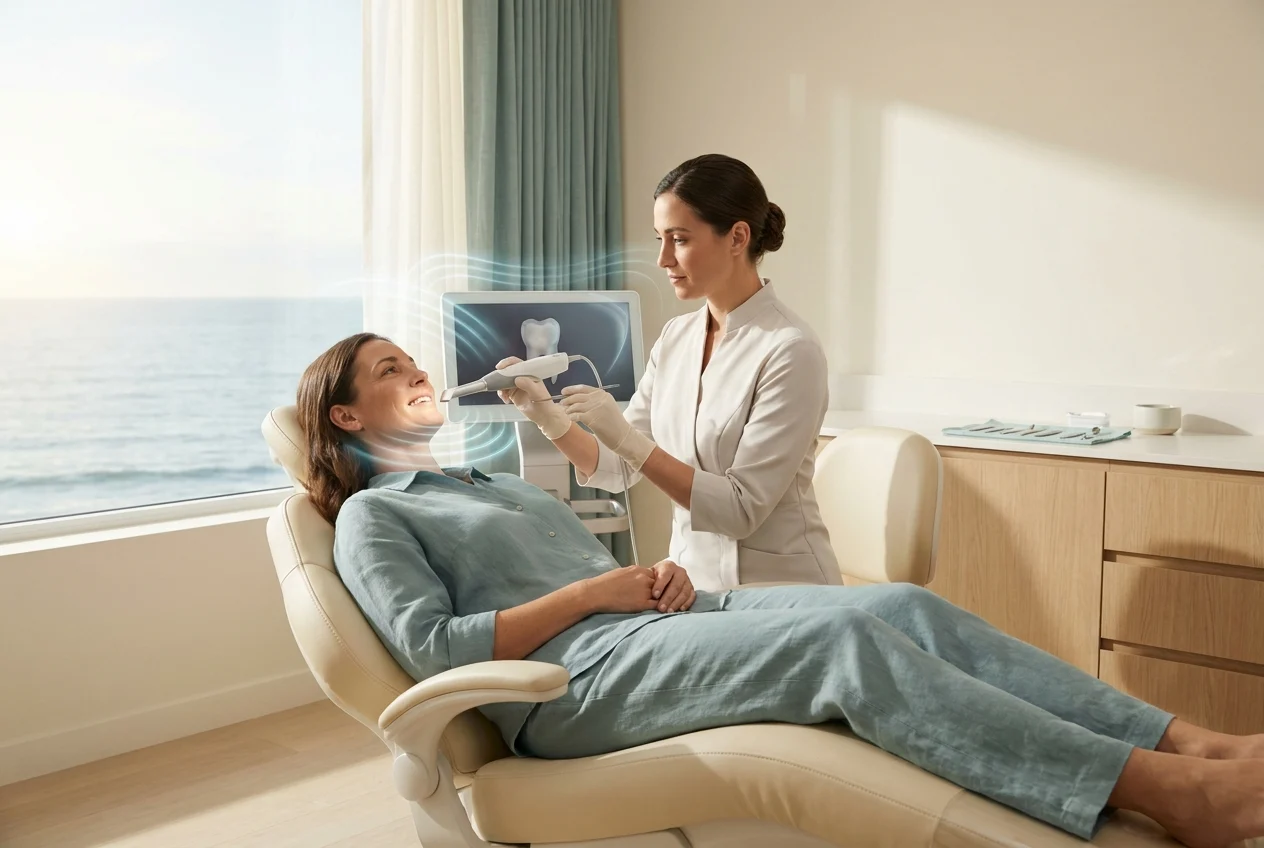
For many patients, dental treatment feels very different from what they remember years ago. Advances in digital imaging, computer guided planning, and minimally invasive instruments help dentists diagnose concerns earlier, explain treatment clearly, and perform procedures with greater control.
Modern dental technology also supports a more comfortable patient experience. Faster appointments, quieter tools, precise anesthesia delivery, and digital impressions can reduce common sources of stress while helping preserve healthy tooth structure.
Why Greater Precision Can Improve Patient Comfort
Precision is not only about an accurate clinical result. It can also affect how a patient feels during and after treatment. When a dentist can identify the location, size, and shape of a concern, treatment can often be planned more efficiently.
Detailed images, measurements, and digital models also help the dental team anticipate challenges and make informed decisions about instruments, restoration design, and treatment timing.
Earlier and More Detailed Diagnosis
Digital X rays produce detailed images quickly and generally use less radiation than traditional film based systems. Dentists can enlarge, adjust, and compare images to examine areas that may be difficult to see during a visual examination.
Some practices also use three dimensional cone beam computed tomography for cases requiring a broader view of the teeth, jawbone, nerves, and nearby structures.
Conservative Treatment and Healthy Tissue Preservation
Magnification, specialized lighting, and precise instruments allow dentists to work within smaller areas. Better visibility makes it easier to distinguish damaged tissue from healthy enamel, dentin, or gum tissue.
Technology may also help a dentist monitor an early concern instead of treating it immediately. Digital records can be compared over time to identify meaningful changes.
Digital Tools That Make Visits Easier
Modern dental tools can remove uncomfortable or time consuming steps from routine care. Digital workflows may shorten appointments, reduce repeated procedures, and give patients a clearer understanding of what the dentist sees.
Technology does not replace clinical skill or communication. Its value depends on trained professionals using it thoughtfully and adapting care to the patient’s health, comfort level, and goals.
Intraoral Cameras and Clear Visual Explanations
An intraoral camera is a small device that captures close images inside the mouth. These images can display cracks, worn fillings, gum inflammation, plaque buildup, and other visible findings on a screen.
Seeing these findings may reduce uncertainty. Patients can ask specific questions, review options, and understand why a dentist recommends monitoring or treating a tooth.
Digital Impressions Without Traditional Molding Material
Intraoral scanners create a digital model of the teeth and bite by capturing images with a handheld wand. For many procedures, this can replace trays filled with impression material.
Digital models help plan crowns, bridges, aligners, retainers, and other appliances. The scan can be reviewed immediately, allowing the team to identify missing information before the appointment ends.
Technology That Supports More Comfortable Procedures
Comfort during treatment depends on effective anesthesia, gentle tissue handling, appointment length, and communication. Modern devices can help dental teams manage these details more consistently.
Computer Controlled Local Anesthesia Delivery
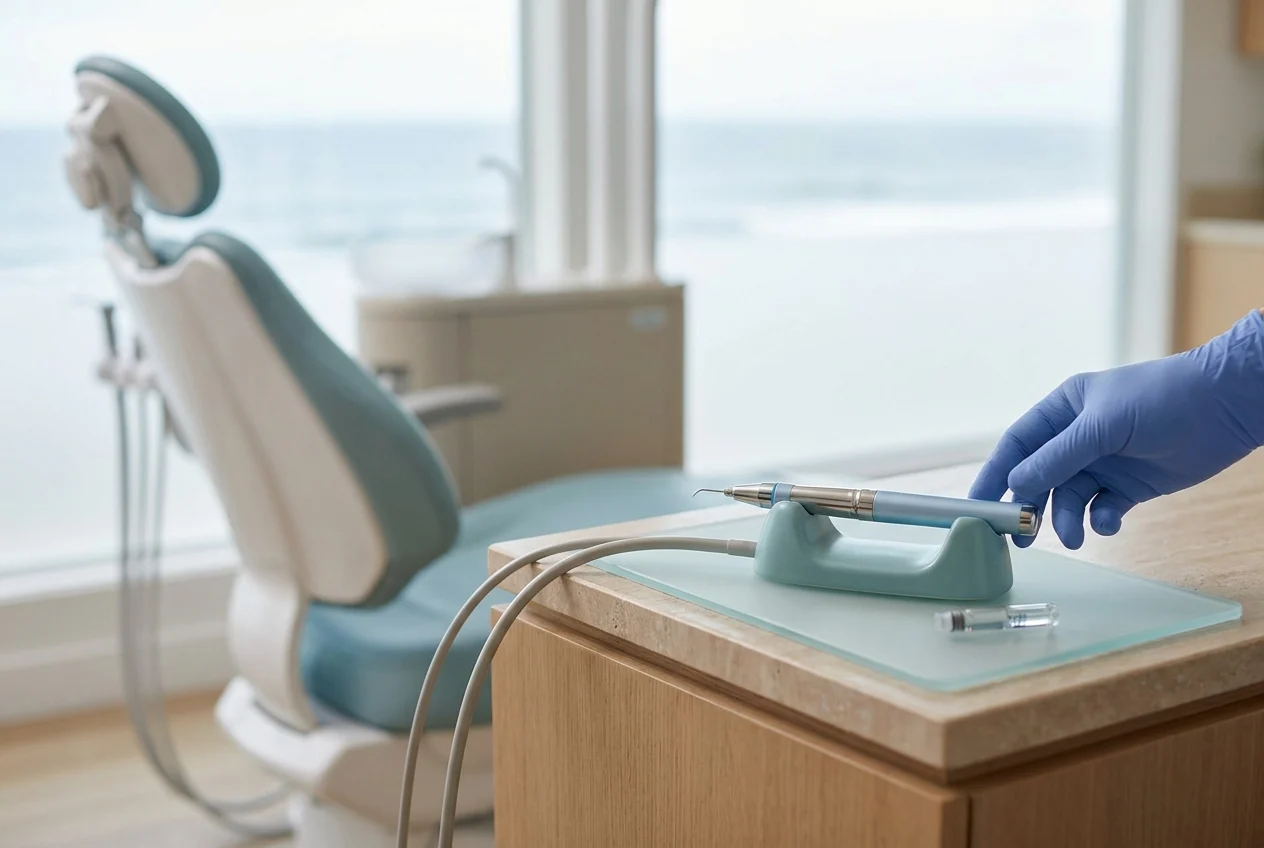
For some patients, pressure from a traditional anesthetic injection is more uncomfortable than the needle itself. Computer controlled systems regulate anesthetic flow at a slow, consistent rate.
Some devices use a small, pen shaped handpiece that may appear less intimidating than a conventional syringe. The dentist still selects the anesthetic, dose, and injection location based on the procedure and the patient’s health.
Patients should always tell the dentist if they feel sharp discomfort, increasing pressure, or an unexpected sensation during treatment.
Dental Lasers and Focused Tissue Treatment
Dental lasers use concentrated light energy for selected procedures involving soft tissue or tooth structure. Depending on the clinical need, a dentist may use one to reshape gum tissue, assist with periodontal care, treat a small soft tissue area, or prepare certain cavities.
Lasers can provide precise treatment with limited contact and may reduce vibration during suitable procedures. Some soft tissue lasers also seal small blood vessels, improving visibility and reducing bleeding.
Laser treatment is not appropriate for every cavity, restoration, or gum procedure. The dentist must consider the problem’s location, surrounding tissues, existing restorations, and the device’s capabilities.
Quieter and More Refined Instruments
The sound and vibration of dental equipment can be stressful even when a patient is fully numb. Newer electric handpieces may produce a steadier tone and less vibration than some air driven instruments.
Instruments can also be adapted to sensitivity. A hygienist may lower an ultrasonic scaler’s power, use hand instruments in sensitive areas, or pause so the patient can rest.
Digital Planning for Restorative and Cosmetic Care
Restorations must fit the prepared tooth, contact neighboring teeth appropriately, and function comfortably within the bite. Digital tools help dentists evaluate these details before completing a crown, bridge, veneer, or other restoration.
Computer Aided Design and Manufacturing
Computer aided design and manufacturing systems use digital scans to design restorations for the tooth and bite. In offices with chairside milling equipment, some crowns and inlays can be designed, produced, and placed in one visit.
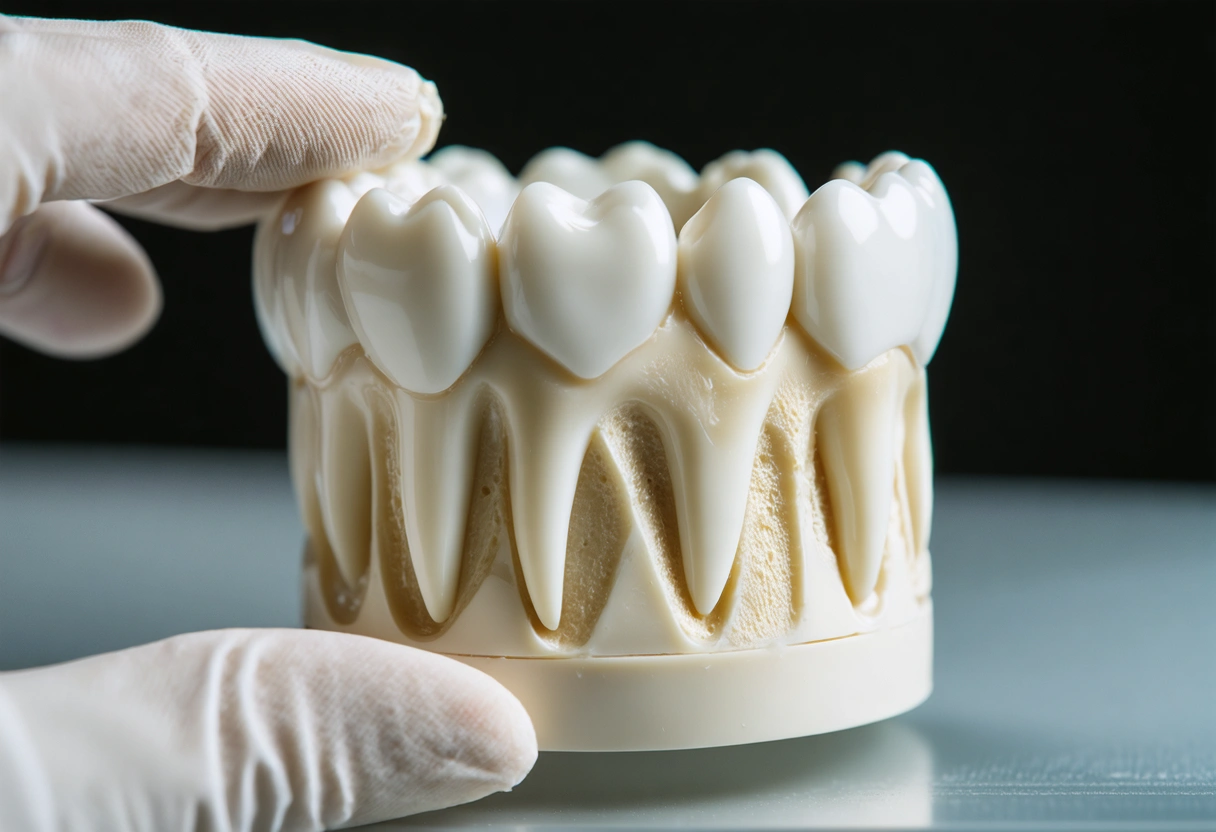
Same day treatment is not appropriate in every situation. Complex cosmetic cases, certain materials, and restorations involving several teeth may benefit from a dental laboratory’s expertise and equipment.
Digital Smile and Bite Assessment
Photographs, scans, and design software help dentists evaluate how proposed changes may affect tooth proportions, alignment, and the smile. A digital preview can support discussion about realistic goals before irreversible treatment begins.
Digital bite analysis may identify where teeth contact during chewing or jaw movement. This information can help when adjusting a restoration or evaluating an uneven bite.
Greater Accuracy in Implant and Surgical Care
Procedures involving jawbone, tooth roots, nerves, or sinus spaces require careful planning. Three dimensional imaging and digital surgical tools allow dentists to study these structures from multiple angles.
Guided Implant Placement
For implant treatment, a cone beam scan may be combined with a digital model. Planning software helps the dentist estimate available bone, choose an implant size, and assess the proposed position in relation to nearby anatomy and the future crown.
In selected cases, the plan creates a surgical guide that helps control implant location and angle. Guided treatment may allow a smaller, more focused approach, depending on the patient’s anatomy and needs.
Technology Assisted Oral Surgery
Digital images help evaluate impacted teeth, unusual root shapes, bone conditions, and other complex findings. Knowing the location of important structures in advance may help the clinician select a safer approach and explain the procedure clearly.
Some practices also use instruments that make controlled cuts in bone while reducing contact with nearby soft tissue. Their usefulness depends on the specific surgery.
Enhanced Precision in Root Canal Treatment
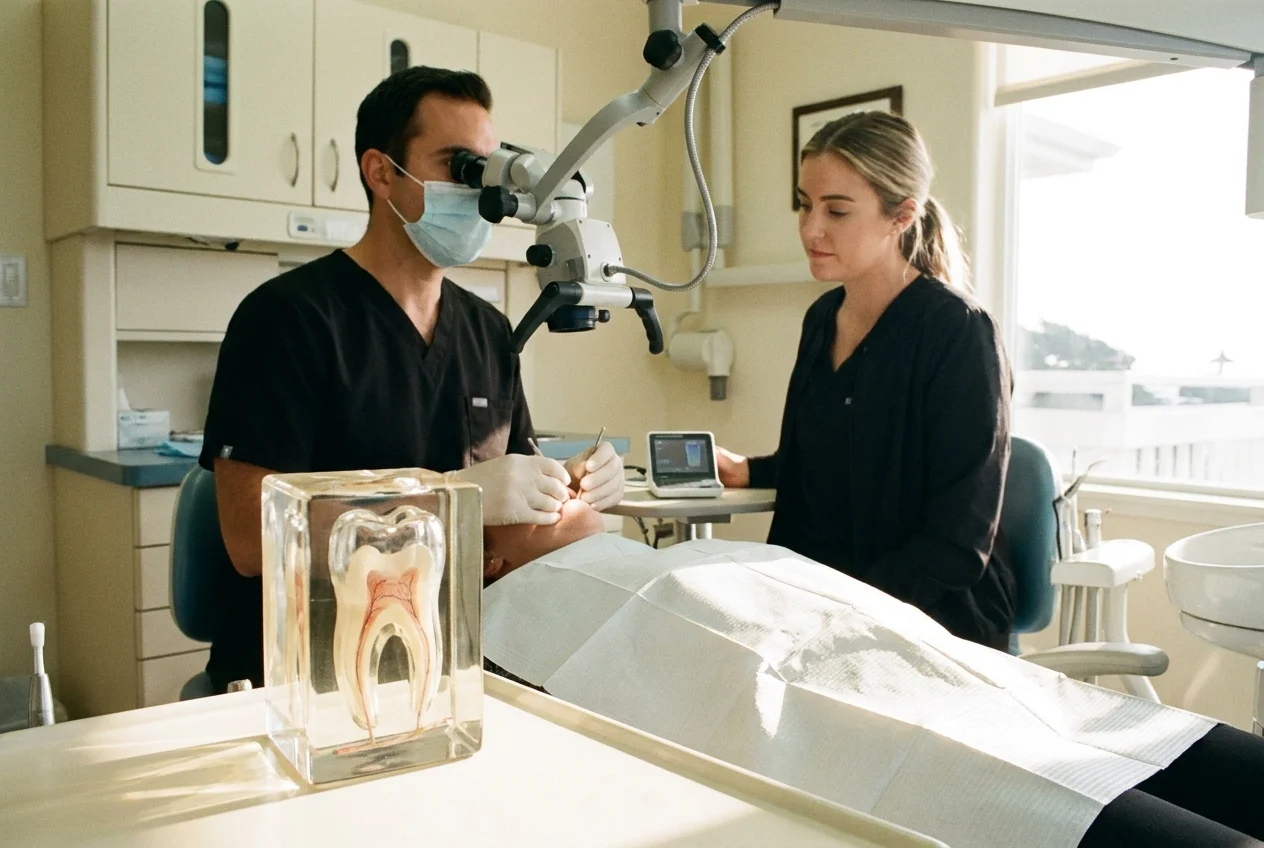
Root canal treatment involves cleaning and sealing narrow spaces inside a tooth. These pathways may be curved, calcified, or difficult to locate. Magnification and electronic instruments help dentists and endodontists work with improved visibility and measurement.
Operating Microscopes and Electronic Measurement
Dental operating microscopes provide strong magnification and focused illumination. They help clinicians identify small canal openings, examine cracks, and see details that are difficult to detect with unaided vision.
Electronic apex locators help estimate a root canal’s working length. Digital X rays are also used to evaluate anatomy and confirm important treatment stages.
Motorized Cleaning and Irrigation Systems
Flexible motorized instruments shape curved canals more consistently than older, rigid instruments. Irrigation solutions then help clean spaces that instruments cannot physically reach.
These technologies may improve efficiency, but root canal complexity varies. Some teeth require more than one visit, and temporary soreness can occur while surrounding tissues heal.
Technology for Managing Dental Anxiety
Dental anxiety is not solely a reaction to discomfort. It may be connected to sounds, smells, loss of control, previous experiences, or uncertainty about treatment.
Entertainment and Distraction Options
Headphones, ceiling mounted screens, and virtual reality devices can redirect attention from dental sounds and sensations. Music, guided breathing, or familiar entertainment may make longer appointments feel more manageable.
Distraction should not interfere with communication. The team and patient can agree on a hand signal for pauses and ensure important instructions remain easy to hear.
Sedation Monitoring and Patient Safety
When appropriate, sedation may help patients with significant anxiety, a strong gag reflex, difficulty remaining still, or extensive treatment needs. Options include nitrous oxide, oral medication, or intravenous sedation, depending on provider training, the procedure, and medical history.
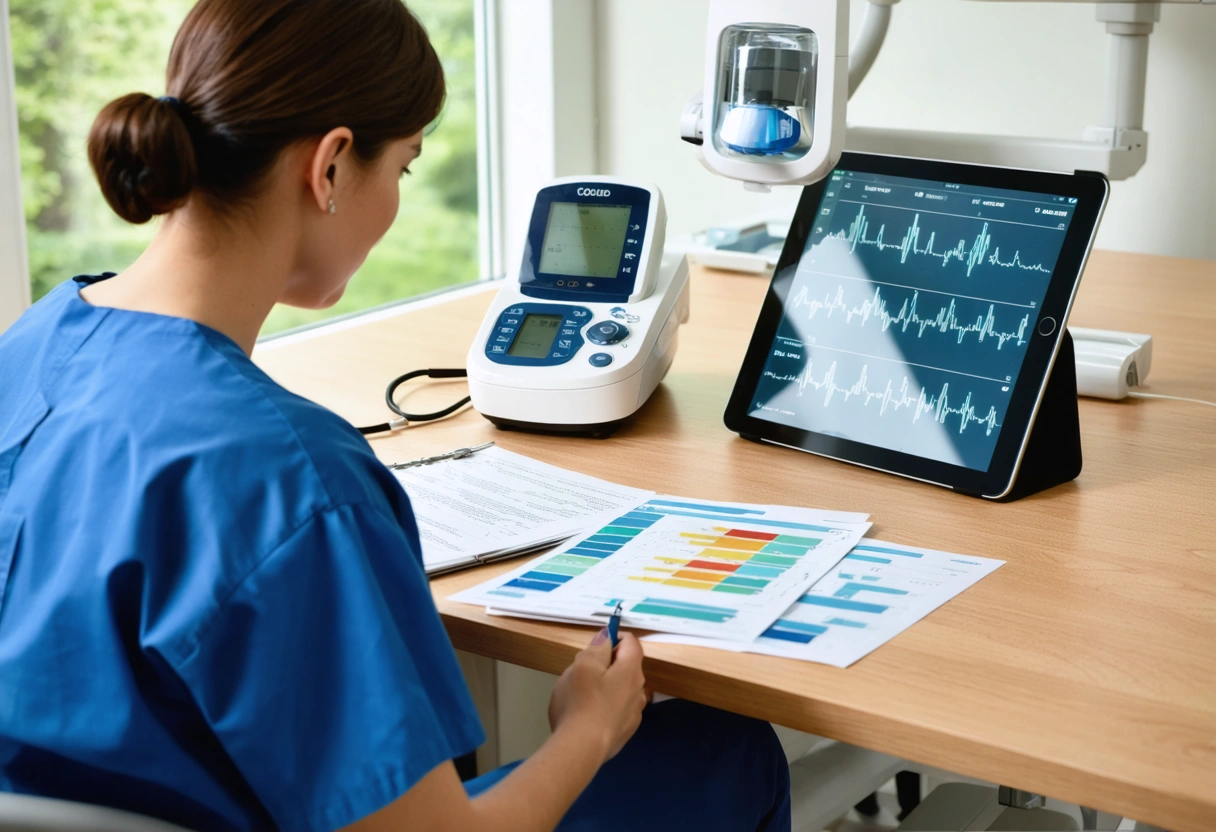
Monitoring equipment tracks oxygen levels, pulse, breathing, and blood pressure during sedation. Technology supports safety but does not replace screening, trained supervision, or recovery instructions.
Remote Monitoring and More Convenient Follow Up
Secure photographs, digital scans, and virtual consultations can sometimes help a dentist monitor healing, orthodontic movement, or appliance use without another office visit.
Teledentistry has clear limits. Pain, swelling, trauma, or infection often requires a physical examination and diagnostic imaging. A virtual appointment should not delay urgent care when symptoms are severe or worsening.
What Patients Can Ask Before Treatment
Patients do not need to understand every device to participate in decisions. Helpful questions include what the technology does, why it is recommended, whether alternatives exist, and how it may affect comfort, cost, appointment length, or recovery.
Patients should also share concerns about injections, gagging, confined spaces, noise, previous experiences, or difficulty becoming numb. This allows the team to adjust pacing, explain sensations, schedule breaks, or discuss appropriate comfort options.
Technology Works Best With Personalized Care
Modern dental technology can improve visibility, planning, efficiency, and control. Digital scans may replace uncomfortable impressions, detailed imaging can clarify complex anatomy, and precise instruments can help preserve healthy tissue.
However, the newest device is not automatically the best choice for every patient or procedure. Comfortable, precise care still depends on accurate diagnosis, clinical skill, thoughtful communication, and a treatment plan tailored to the individual.
Need help with How Modern Dental Technology Makes Treatment More Comfortable and Precise?