
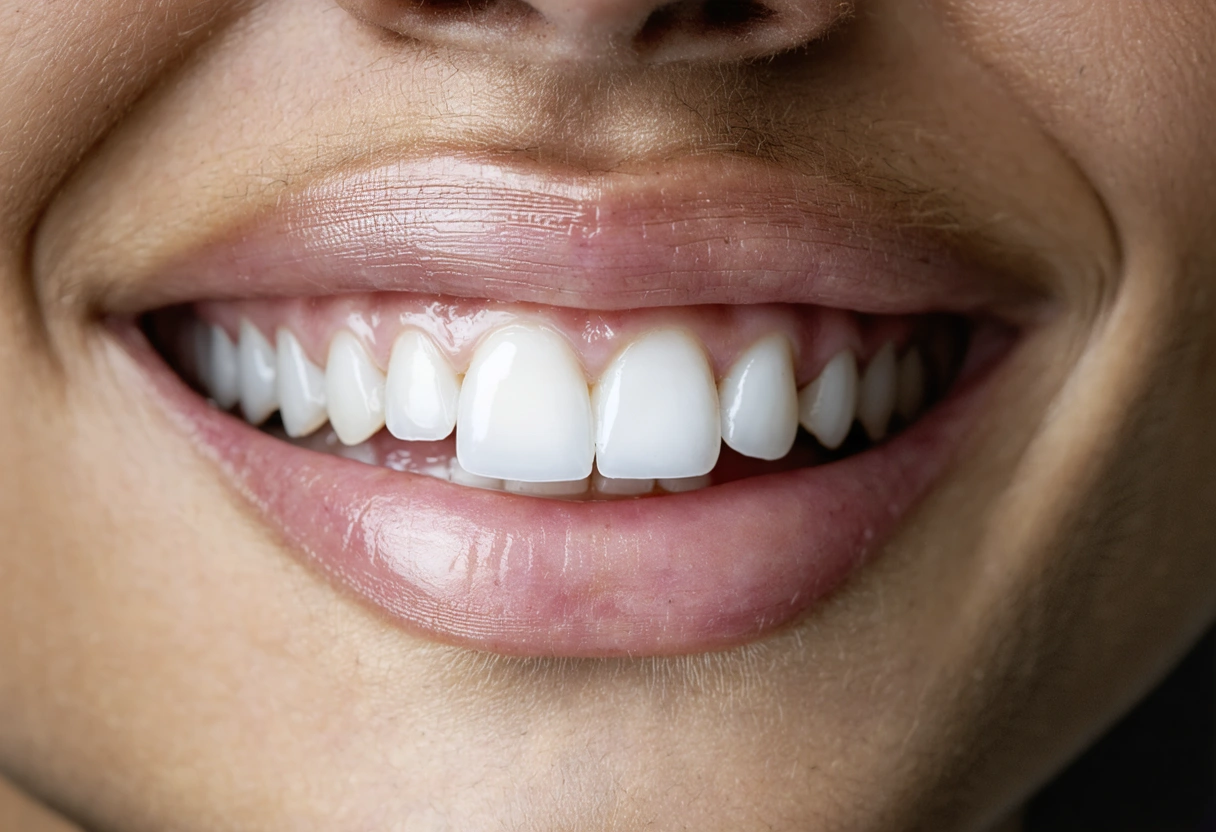
Clear aligners offer a discreet and removable way to straighten teeth, but they are not the right solution for every orthodontic concern. Your oral health, bite, treatment goals, and ability to follow daily wear instructions all influence whether aligner treatment is likely to succeed.
What Clear Aligners Can Treat
Clear aligners use a planned series of custom trays to apply gentle, controlled pressure to the teeth. Each set makes small adjustments, gradually moving the teeth toward their prescribed positions.
Common concerns treated with clear aligners include crowded teeth, small gaps, mildly rotated teeth, and certain overbites, underbites, crossbites, or open bites. The complexity of these issues varies considerably, so two people with similar-looking smiles may require very different treatment plans.
Mild to Moderate Crowding
Crowding occurs when the jaw does not provide enough space for the teeth to sit in proper alignment. Clear aligners can often create or redistribute space through carefully planned tooth movement.
Spacing and Gaps Between Teeth
Aligners may close unwanted spaces between teeth when the gaps are caused by tooth positioning. However, spaces related to missing teeth, unusually small teeth, gum conditions, or tissue attachments may require additional dental care or a combined treatment approach.
Key Signs That You May Be a Suitable Candidate
A suitable candidate generally has healthy teeth and gums, an orthodontic concern that can be predictably corrected with removable trays, and realistic expectations about the process.
Your provider will examine your bite, jaw relationship, tooth roots, and supporting bone before recommending treatment. Digital scans, photographs, and X-rays may be used to determine whether aligners can move your teeth safely and whether attachments or other supporting techniques will be needed.

You Have Healthy Teeth and Gums
Active tooth decay, significant gum disease, and untreated oral infections should generally be addressed before orthodontic movement begins. Moving teeth in an unhealthy mouth can increase the risk of discomfort, gum recession, bone loss, or other complications.
You Can Commit to Consistent Wear
Clear aligners typically need to be worn for most of the day and removed only for eating, drinking anything other than water, brushing, and flossing.
You Are Willing to Maintain Daily Oral Hygiene
Because aligners fit closely over the teeth, trapped food particles and plaque can contribute to cavities, staining, and gum irritation. Good candidates are prepared to clean their teeth before replacing the trays and to follow instructions for keeping the aligners clean without damaging them.
Situations That May Make Clear Aligners Less Suitable
Some orthodontic problems are difficult to correct with removable trays alone. This does not always rule out aligner treatment, but it may require attachments, elastics, extractions, or a combined approach.
Severe or Complex Bite Problems
Significant overbites, underbites, open bites, and crossbites may involve the position of the jaws as well as the teeth. Aligners can improve many bite concerns, but severe skeletal discrepancies may require fixed braces, growth modification in younger patients, or jaw surgery.
Complex tooth movements can also be challenging. Examples include moving a tooth a substantial distance, correcting a severely rotated tooth, bringing an impacted tooth into position, or adjusting the vertical position of several teeth.
Active Gum Disease or Significant Bone Loss
Teeth need healthy gums and adequate supporting bone to move safely. If you have bleeding gums, deep periodontal pockets, loose teeth, or substantial bone loss, periodontal treatment may be necessary before orthodontic care begins.
Some patients with a history of gum disease can still use clear aligners after the condition has been stabilized. They may need more frequent dental cleanings and closer monitoring throughout treatment.
Untreated Cavities or Dental Infections
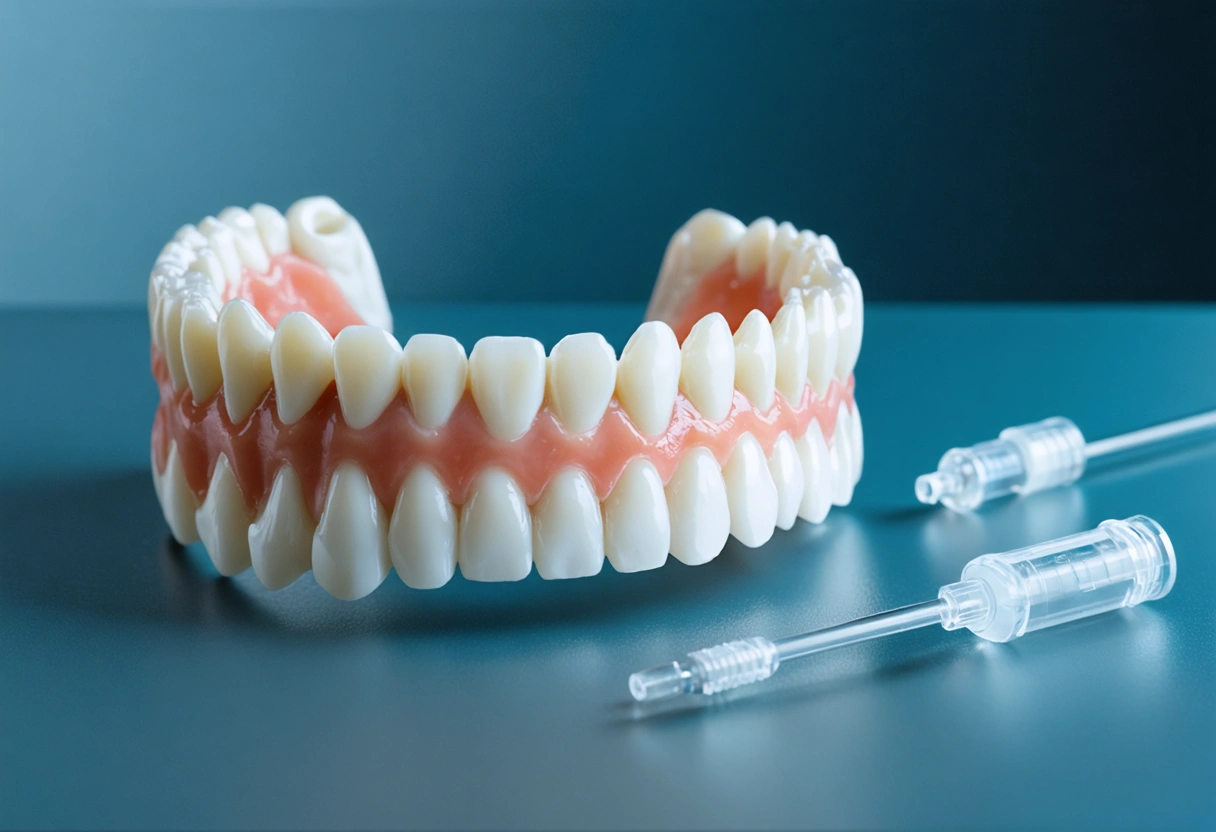
Cavities, cracked teeth, failing fillings, and dental infections should generally be treated before your trays are made. Restorative treatment can change the shape of a tooth, which may affect how accurately an aligner fits.
If you expect to need a crown, bridge, implant, or other major dental restoration, your dentist and orthodontic provider should coordinate the timing. Completing procedures in the correct order can reduce the need for new scans or replacement trays.
Difficulty Following a Wear Schedule
Removability is one of the main benefits of clear aligners, but it also places responsibility on the patient. Frequently forgetting to replace the trays after meals, losing them, or removing them for long periods can prevent teeth from tracking according to the digital plan.
People who prefer a treatment method that remains in place around the clock may be better served by fixed braces. This can be especially relevant for younger patients who are not ready to manage removable appliances independently.
How Existing Dental Work Can Affect Candidacy
Fillings and individual crowns do not automatically prevent clear aligner treatment. However, restorations can influence attachment placement, tray retention, and the way force is transferred to a tooth.
Dental Implants and Bridges
Dental implants are anchored in the jawbone and cannot be moved orthodontically like natural teeth. Aligners may still move the surrounding teeth, but the implant must be incorporated into the treatment plan as a fixed structure.
Traditional bridges can also limit movement because they connect multiple teeth. In some situations, a bridge may need to be modified or replaced after orthodontic treatment.

Veneers, Crowns, and Bonding
Attachments may be more difficult to bond to certain restorative materials than to natural enamel. Your provider may alter the attachment design or use another technique to obtain sufficient control.
Aligner treatment can also change how the edges and surfaces of restored teeth relate to one another. Cosmetic bonding, veneers, or crowns may need adjustment after tooth movement to create the desired shape, symmetry, and bite.
Are Teenagers Good Candidates for Clear Aligners?
Many teenagers can be treated successfully with clear aligners once enough permanent teeth have erupted. Their suitability depends on dental development, the complexity of the orthodontic problem, and their willingness to wear and care for the trays.
Patients whose jaws are still growing may need treatment designed to guide that growth or coordinate the upper and lower jaws. Depending on the diagnosis, this may involve aligners with specialized features, other orthodontic appliances, or traditional braces.
What to Expect During a Clear Aligner Consultation
Review of Your Dental and Health History
Your provider may ask about previous orthodontic treatment, gum disease, jaw discomfort, dental injuries, tooth sensitivity, and ongoing medical conditions. Certain medications and health issues can affect oral tissues, bone metabolism, or healing, so a complete health history is important.
You should also mention habits such as clenching, grinding, nail biting, or chewing on objects. These behaviors can damage trays, place additional pressure on the teeth, or influence the long term stability of the result.
Clinical Examination and Diagnostic Records
The examination typically includes an assessment of tooth alignment, bite contacts, gum health, jaw function, and facial balance. Digital scans or impressions create a detailed model of the teeth, while photographs document their starting positions.
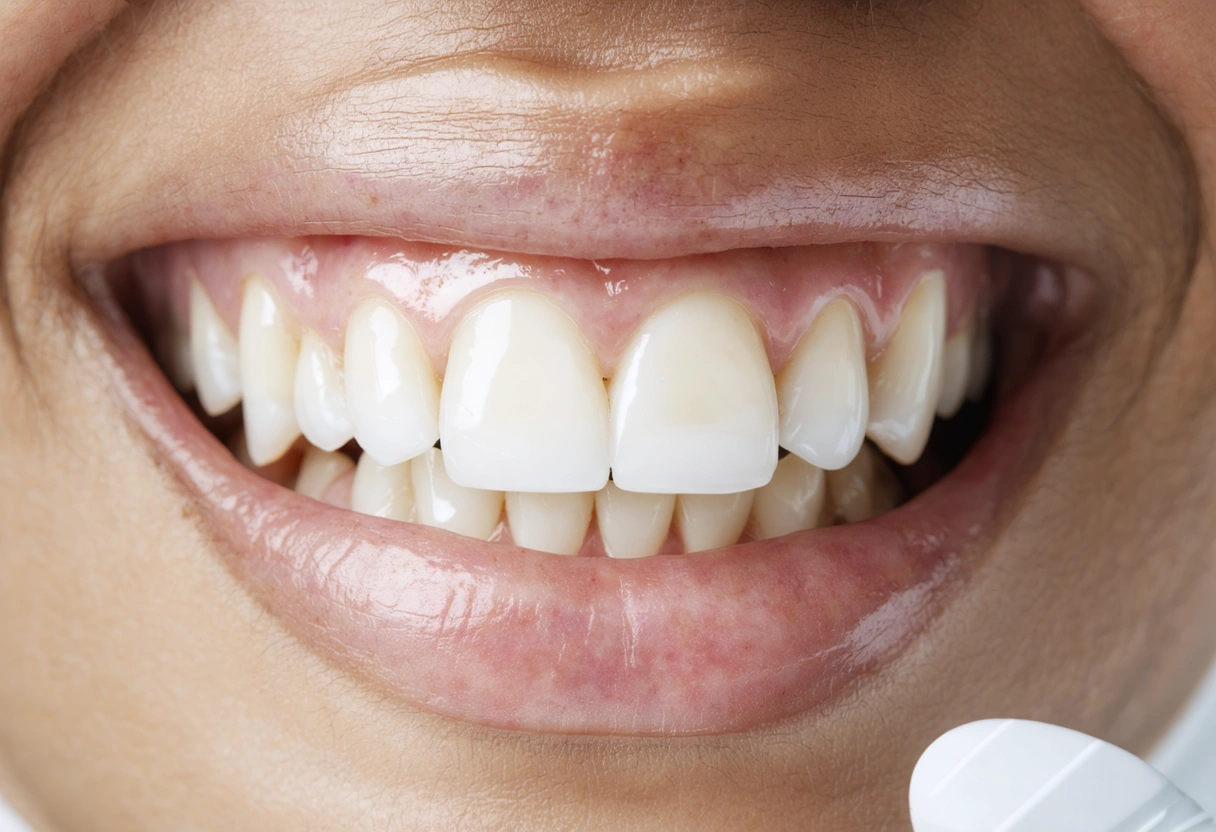
X-rays may be needed to evaluate tooth roots, supporting bone, unerupted teeth, previous root canal treatment, and other conditions that are not visible during a routine examination.
Discussion of Treatment Goals
Be specific about what you want to improve. Straightening a few visible front teeth may sound simple, but moving them without considering the bite can create unwanted contacts or instability.
Your provider should explain which goals are realistic, how long treatment may take, and whether refinements are likely. A refinement is an additional series of trays created after a new scan when further movement is needed.
Factors That Influence Treatment Success
Wearing Aligners as Directed
Most plans require aligners to be worn approximately 20 to 22 hours per day, although your provider may give different instructions. Trays should usually be removed for meals and snacks, then replaced promptly after cleaning your teeth.
Changing trays earlier than directed does not necessarily speed treatment. Teeth and supporting tissues need time to respond to pressure. Always follow the schedule established by your provider.
Using Attachments and Elastics When Prescribed
Attachments are small areas of tooth colored material bonded to selected teeth. They give the aligners a better surface to grip and help produce movements such as rotation, tipping, or controlled root movement.
Some patients also need orthodontic elastics to improve the relationship between the upper and lower teeth. Not wearing attachments or elastics as instructed can reduce the accuracy of treatment even when the trays are worn consistently.
Attending Monitoring Appointments
Regular appointments allow your provider to confirm that the trays fit properly and that the teeth are moving as planned. These visits also provide an opportunity to check gum health, replace attachments, and address discomfort or damaged aligners.

If a tray does not seat fully, becomes damaged, or causes persistent pain, contact your provider rather than moving to the next set without guidance.
Questions to Ask Before Choosing Clear Aligners
Ask whether your treatment will be supervised in person, who will monitor your progress, and how unexpected problems will be handled. You should also understand what the quoted fee includes, such as diagnostic records, attachments, refinement trays, retainers, and follow-up visits.
Retention After Clear Aligner Treatment
Teeth can shift after any orthodontic treatment. Retainers help preserve the final positions while the surrounding bone and tissues adapt. Most patients need to wear retainers regularly at first and continue some form of nighttime wear over the long term.
Your provider will recommend a retention schedule based on your bite and risk of relapse. Retainers also require cleaning, proper storage, and periodic replacement when they become worn, distorted, or loose.
Determining Whether Clear Aligners Are Right for You
You may be a good candidate if you have healthy teeth and gums, a treatable alignment or bite concern, and the discipline to wear removable trays consistently.
The only reliable way to confirm candidacy is through a comprehensive examination and diagnostic records. An experienced dental professional can compare clear aligners with other orthodontic options and recommend the safest, most predictable path toward your treatment goals.
Need help with Am I a Good Candidate for Clear Aligners??