Clear aligners are often associated with a more confident smile, but their benefits can extend well beyond appearance. By gradually guiding teeth into healthier positions, aligner therapy may help improve how the teeth fit together, how easy they are to clean, and how comfortably the jaw and bite function during everyday activities.
For many patients, modern orthodontics is not just about cosmetic enhancement. It is also about creating a healthier oral environment that supports chewing, speaking, gum health, and long term dental stability. Understanding these broader benefits can help patients see clear aligners as part of a comprehensive approach to oral wellness.
The Functional Benefits of Better Tooth Alignment
When teeth are crowded, spaced unevenly, rotated, or tilted, the bite may not distribute pressure evenly. This can place extra stress on certain teeth, increase wear on enamel, and make chewing less efficient. Clear aligners are designed to move teeth in planned stages, helping create a more balanced bite when treatment is appropriate for the patient’s needs.
A more balanced bite can make everyday functions feel smoother. Patients may notice that food breaks down more evenly, certain teeth no longer feel like they hit first, or areas of pressure feel reduced over time. While every case is different, the goal of aligner treatment often includes improving both tooth position and bite harmony, not simply making teeth look straighter.
How Misalignment Can Affect Bite Pressure
Teeth are designed to work together as a coordinated system. When one tooth sits too far forward, too far back, or at an awkward angle, it may absorb more force than it should. Over time, uneven bite pressure can contribute to chipping, flattening, sensitivity, or discomfort in specific areas of the mouth.

Clear aligners may help address these concerns by gradually repositioning teeth so forces are shared more evenly. This does not mean aligners are the right solution for every bite problem, but for many mild to moderate orthodontic concerns, they can be an effective part of improving overall dental function.
Oral Hygiene and Gum Health Advantages
One of the most practical benefits of straighter teeth is that they are often easier to clean. Crowded or overlapping teeth can create tight spaces where plaque and food particles collect, making brushing and flossing more difficult. When plaque remains trapped in these areas, it may increase the risk of cavities, gum inflammation, and bad breath.
By improving tooth alignment, clear aligners can help make oral hygiene more predictable. Once teeth are better positioned, patients may find it easier to guide floss between teeth, brush along the gumline, and reach surfaces that were previously hidden by crowding. This can support healthier gums and reduce areas where bacteria are likely to build up.
Why Removability Matters During Treatment
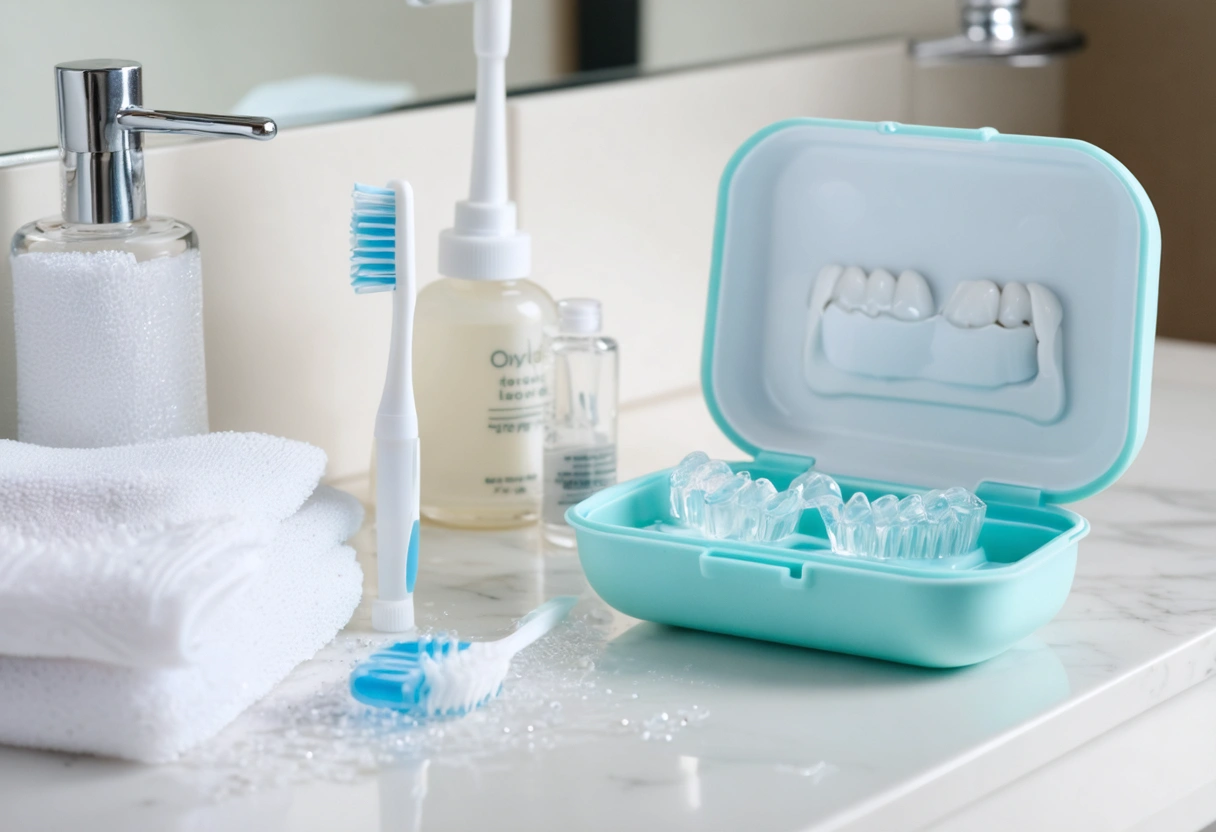
Unlike fixed braces, clear aligners can be removed for brushing and flossing. This can make it easier for patients to maintain their normal home care routine during orthodontic treatment. Since there are no brackets or wires attached to the teeth, there are fewer places for food to become trapped during meals.
However, removability also comes with responsibility. Aligners must be worn as directed, usually for most of the day and night, and teeth should be cleaned before the trays are placed back in the mouth. When patients follow these instructions carefully, clear aligners can offer a treatment experience that supports both alignment progress and daily oral hygiene.
Clear Aligners and Jaw Comfort
Tooth position can influence how the upper and lower jaws meet during biting, chewing, and speaking. When the bite is uneven, the jaw muscles may work harder to guide the teeth together. Some patients develop habits such as clenching, shifting the jaw to one side, or chewing primarily on one side because the teeth do not come together comfortably.
Clear aligner treatment may help improve jaw comfort by guiding the teeth into positions that allow a more stable bite relationship. A stable bite can reduce unnecessary strain on the muscles that control jaw movement. This does not mean aligners are a cure for all jaw joint concerns, since temporomandibular joint discomfort can have many causes, but improved alignment may be one important factor in creating a more comfortable oral system.
The Connection Between Bite Balance and Muscle Strain
The jaw muscles are active throughout the day, even when a person is not chewing. They help with swallowing, speaking, posture, and subtle movements that often go unnoticed. If the bite feels uneven, the muscles may repeatedly adjust the jaw position in an attempt to find a comfortable resting point.
Over time, this extra muscle activity can contribute to fatigue, soreness, headaches, or a sense of tension around the jaw, temples, or cheeks. Orthodontic treatment that improves how the teeth meet may help reduce these compensations. For patients who grind or clench, a dentist or orthodontist may also recommend additional protection or habit management along with aligner therapy.
Chewing Efficiency and Digestive Support
Chewing is the first stage of digestion, and tooth alignment plays a bigger role in this process than many people realize. Teeth that meet properly can break food into smaller, more manageable pieces before swallowing. When teeth are crowded, gapped, tipped, or poorly positioned, chewing may become less efficient, especially with foods that require more grinding force.
Clear aligners can help create a better relationship between the biting surfaces of the teeth. This may allow the molars and premolars to function more effectively during chewing. While aligners do not directly treat digestive conditions, improved chewing can support the body’s natural digestive process by preparing food more thoroughly before it reaches the stomach.

Everyday Examples of Improved Chewing Function
A patient with a crossbite may find that certain foods feel awkward to chew because the upper and lower teeth do not overlap in the usual way. Someone with an open bite may struggle to bite cleanly through sandwiches, lettuce, or thin foods because the front teeth do not touch. A person with deep overbite may feel excessive pressure on the front teeth or experience uneven wear.
In cases like these, aligner therapy may be planned to improve both appearance and function. As the teeth move into better positions, patients may notice that biting into food feels more natural, chewing is less one-sided, or certain meals no longer require as much effort. These improvements can make a meaningful difference in daily comfort.
Speech, Airflow, and Oral Space
Tooth position affects the way the tongue moves during speech. Sounds such as “s,” “th,” “f,” and “v” rely on precise contact or near contact between the tongue, teeth, and lips. If teeth are severely crowded, spaced, protruded, or positioned in a way that changes tongue placement, speech clarity may be affected.
Clear aligners can sometimes help create a more favorable oral environment for speech by improving the position of the teeth and the available space for tongue movement. During treatment, there may be a short adjustment period while speaking with aligners in place. Many patients adapt quickly as the tongue becomes accustomed to the trays.
Why Tongue Position Is Important
The tongue naturally rests against certain areas of the teeth and palate. If the teeth are misaligned, the tongue may develop compensations to form sounds or fit within the dental arch. These patterns may feel normal to the patient because they have been present for years.
When alignment improves, the tongue may have more room to rest and move appropriately. In some cases, patients with complex speech concerns may benefit from a team approach that includes orthodontic treatment and speech therapy. Clear aligners can be one piece of the broader picture when tooth position is contributing to speech patterns.
Protecting Teeth From Uneven Wear and Damage
Teeth are extremely strong, but they are not indestructible. When certain teeth carry too much force, enamel can wear down faster. Edges may become flattened, small cracks may develop, or fillings and crowns may experience additional stress. Misalignment can also cause teeth to rub against each other in ways they were not designed to tolerate.
Clear aligners can help reduce harmful contact patterns by improving tooth position and bite coordination. When forces are distributed more evenly, teeth are generally better protected during normal chewing. This can be especially important for adults who want to preserve their natural teeth and existing dental work for as long as possible.
Alignment as Preventive Dentistry
Many people think of orthodontics as something separate from preventive dental care, but the two are closely connected. Preventive dentistry focuses on reducing future risk, and better alignment can make that easier. Teeth that are easier to clean are less likely to trap plaque, and teeth that meet more evenly are less likely to experience concentrated stress.
For example, a rotated tooth may create an area where floss catches or plaque accumulates. A tipped molar may create a food trap that leads to irritation or decay. A deep bite may contribute to wear on the lower front teeth. By addressing these issues earlier, clear aligners may help reduce the likelihood of more complicated dental problems later.

Clear Aligners and Periodontal Support
Gum and bone health are essential for long term tooth stability. If teeth are misaligned, some areas may be more difficult to keep clean, which can contribute to gum inflammation. Crowding may also create areas where the gum tissue is harder to access with a toothbrush or floss. Over time, persistent inflammation can affect the structures that support the teeth.
Aligner therapy may support periodontal health by improving access for cleaning and reducing plaque-retentive areas. In patients with a history of gum disease, orthodontic treatment must be carefully planned and monitored. Healthy gums and adequate bone support are important before and during tooth movement.
Adult Orthodontics and Gum Considerations
Many adults considering clear aligners have had previous dental work, gum recession, bone changes, or periodontal treatment. This does not automatically prevent aligner therapy, but it does make professional evaluation especially important. The provider may coordinate with a general dentist or periodontist to ensure that the mouth is stable before movement begins.
For the right candidate, carefully planned clear aligner treatment can be part of maintaining a healthier adult smile. The objective is not to move teeth quickly at any cost.
Confidence, Mental Wellbeing,Need help with How Clear Aligners Can Improve More Than Just Smile Aesthetics?
Need help with How Clear Aligners Can Improve More Than Just Smile Aesthetics?