
Your mouth is often one of the first places where changes in your overall health become visible. From bleeding gums to dry mouth, oral symptoms can sometimes reflect more than a need to brush or floss more carefully.
Understanding the connection between oral health and whole-body wellness can help you take a more preventive approach to care. A healthy smile is not only about strong teeth and fresh breath.
Why the Mouth Is a Window Into Your Health
The mouth is home to a complex community of bacteria, tissues, nerves, blood vessels, and immune responses. When this environment is balanced, it helps protect the teeth and gums while supporting normal functions such as chewing, speaking, and swallowing.
Because the gums and oral tissues are connected to the bloodstream, inflammation in the mouth does not always stay isolated. Gum disease, untreated tooth infections, and chronic oral irritation may place added stress on the body.
The Role of Inflammation
Inflammation is the body’s natural response to injury, infection, or irritation. In the mouth, it often appears as red, tender, swollen, or bleeding gums. Occasional irritation may happen after brushing too hard or eating something sharp, but frequent gum inflammation can be a sign of gingivitis or more advanced periodontal disease.
When gum inflammation becomes chronic, bacteria and inflammatory byproducts may enter the bloodstream through irritated gum tissue. Researchers continue to study how this process may relate to broader health concerns, including cardiovascular health, blood sugar control, and immune system activity.
Common Oral Signs That May Point to Bigger Health Patterns
Many oral symptoms have simple explanations, but recurring or unusual changes should not be ignored. The mouth can respond to stress, dehydration, medication changes, hormonal shifts, nutritional deficiencies, and systemic illness.
Dental checkups are valuable because they allow trained professionals to look for subtle signs that may not cause pain right away. Early detection can make treatment easier and may also encourage timely evaluation of related health factors.
Bleeding or Swollen Gums
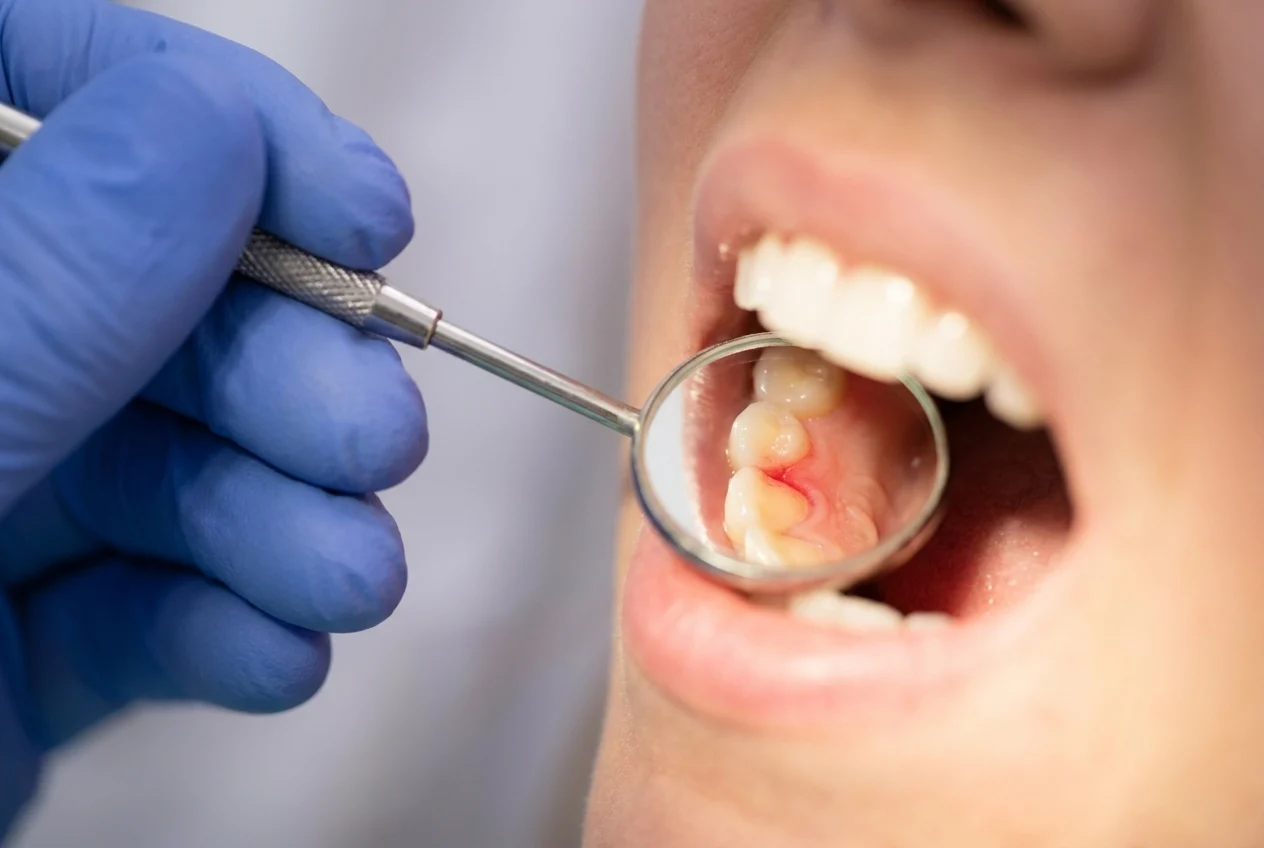
Gums that bleed during brushing or flossing are often associated with plaque buildup and gingivitis. However, persistent bleeding may also be influenced by factors such as smoking, diabetes, certain medications, hormonal changes, or immune response.
Swelling, tenderness, or gum recession can also suggest that the tissues supporting the teeth are under stress. If these symptoms continue, they may signal periodontal disease, which can affect the stability of teeth and the health of surrounding bone.
Dry Mouth and Changes in Saliva
Saliva plays a major role in protecting oral health. It helps wash away food particles, neutralize acids, support digestion, and reduce the risk of cavities.
Dry mouth can be linked to dehydration, mouth breathing, stress, medications, autoimmune conditions, or changes in overall health. Because reduced saliva can raise the risk of tooth decay and gum irritation, it is worth discussing ongoing dryness with a dental professional.
Persistent Bad Breath
Bad breath that does not improve with brushing, flossing, tongue cleaning, and hydration may be more than a temporary food-related issue. It can be caused by bacteria collecting on the tongue, gum disease, tooth decay, dry mouth, ill-fitting dental appliances, or infections in the mouth.
In some cases, persistent bad breath may also be associated with sinus drainage, acid reflux, certain medications, or metabolic changes. A dental evaluation can help determine whether the source is oral or whether another health concern may need to be considered.
Mouth Sores, Ulcers, or Unusual Tissue Changes
Many mouth sores are minor and heal within one to two weeks, especially if they are related to accidental biting, irritation from sharp foods, or temporary stress.
Changes in the soft tissues of the mouth may be linked to irritation, immune response, nutritional deficiencies, viral infections, tobacco use, alcohol use, or other health factors.
Tooth Wear, Jaw Pain, and Headaches
Flattened teeth, chipped edges, jaw soreness, and frequent morning headaches may point to grinding or clenching, also known as bruxism. This habit can occur during sleep or during periods of concentration and stress.
Tooth wear can also be related to acid exposure from frequent acidic drinks, acid reflux, or certain eating patterns. Identifying the cause matters because treatment may involve more than repairing the teeth.
How Oral Health Connects With Key Areas of Wellness
The mouth supports essential daily functions, including eating, speaking, breathing, smiling, and social interaction. When oral health declines, the effects can reach beyond the teeth and gums.

Whole-body wellness is shaped by many factors, and oral health is one part of that larger picture. By maintaining a healthy mouth, you help reduce avoidable sources of inflammation, discomfort, and infection while supporting habits that benefit the rest of the body.
Heart and Circulatory Health
Research has found associations between gum disease and cardiovascular concerns, although the relationship is complex and does not mean one directly causes the other in every case.
For people who already have heart-related risk factors, preventing and treating gum disease can be an important part of a broader health plan. Regular cleanings, daily plaque control, and prompt care for oral infections may help reduce inflammatory burden and support better overall wellness.
Blood Sugar and Diabetes
Diabetes and gum health have a two-way relationship. People with diabetes may be more prone to gum infections because high blood sugar can affect immune response and healing.
Signs such as frequent gum bleeding, slow healing after dental procedures, dry mouth, burning sensations, or repeated oral infections may be especially important for people with diabetes or those at risk.
Pregnancy and Hormonal Changes
Hormonal changes can affect how the gums respond to plaque and irritation. During pregnancy, some people experience increased gum swelling, tenderness, or bleeding, often called pregnancy gingivitis.
Oral health during pregnancy is not only about comfort. Untreated dental infections can cause pain, stress, and difficulty eating. Many routine dental services are safe during pregnancy, and patients should inform their dental team so care can be planned appropriately.
Nutrition and Digestive Health
Healthy teeth and gums make it easier to chew a varied diet that includes fruits, vegetables, proteins, nuts, and whole grains. When teeth are painful, loose, or missing, people may avoid crunchy or fibrous foods and rely more heavily on soft, processed options.
The digestive process also begins in the mouth. Chewing breaks food into smaller pieces, while saliva begins the chemical process of digestion and helps food move comfortably through the throat.
Respiratory Wellness
Oral bacteria can sometimes travel from the mouth to the throat and airway, especially in people who are medically vulnerable, older adults, or those with swallowing difficulties.

Mouth breathing can also influence oral health by drying the tissues and reducing saliva’s protective effect. People who frequently wake with dry mouth, snore, or feel unrefreshed after sleep may benefit from discussing these symptoms with a dental or medical professional.
Lifestyle Factors That Affect Both Your Mouth and Body
Many of the habits that protect oral health also support general wellness. Likewise, lifestyle factors that increase inflammation, reduce healing, or encourage bacterial imbalance can affect both the mouth and the rest of the body.
Tobacco and Nicotine Use
Smoking, vaping, and other nicotine products can affect gum tissue, blood flow, immune response, healing, and oral cancer risk. Tobacco use may also mask signs of gum disease because reduced blood flow can make gums bleed less, even when disease is present.
People who use tobacco or nicotine may need more frequent dental monitoring and periodontal evaluation. Quitting can improve oral and overall health over time, and dental visits can be a helpful opportunity to discuss changes in the mouth related to tobacco exposure.
Diet, Sugar, and Acid Exposure
Frequent sugar intake feeds cavity-causing bacteria, which produce acids that weaken enamel. Acidic foods and drinks, such as soda, sports drinks, citrus, sour candies, and some flavored waters, can also contribute to enamel erosion when consumed often.
A balanced diet supports gum health, immune function, and tissue repair. Nutrients such as vitamin C, vitamin D, calcium, protein, and omega-3 fatty acids all play roles in maintaining healthy tissues and bones.
Stress and Sleep
Stress can show up in the mouth in several ways. Some people clench their jaw, grind their teeth, develop canker sores, neglect oral hygiene routines, snack more frequently, or experience dry mouth during stressful periods.
Sleep quality also matters. Poor sleep can influence immune function, inflammation, and pain sensitivity. Oral signs such as worn teeth, jaw tension, dry mouth, and enlarged tongue or throat tissues may prompt a conversation about breathing patterns, snoring, or sleep-related concerns.
What Your Dentist May Notice During a Wellness-Focused Exam
A dental exam is not limited to checking for cavities. A comprehensive visit includes evaluation of the teeth, gums, bite, jaw joints, soft tissues, tongue, saliva, and signs of infection or wear.
Your dental team may ask about medications, recent diagnoses, changes in diet, tobacco or nicotine use, sleep quality, pregnancy, stress, and symptoms such as dry mouth or bleeding gums.

Gum Measurements and Periodontal Screening
During a periodontal screening, the dental team measures the spaces between the teeth and gums. Deeper pockets, bleeding, recession, or bone changes may indicate gum disease.
This type of screening is especially important because gum disease can develop with little or no pain. By the time teeth feel loose or chewing becomes uncomfortable, damage to the supporting structures may already be advanced.
Oral Cancer and Soft Tissue Screening
Dental professionals routinely check the lips, cheeks, tongue, floor of the mouth, palate, throat area, and neck for unusual lumps, sores, color changes, or texture changes.
Risk factors can include tobacco use, heavy alcohol use, certain viral exposures, prolonged sun exposure to the lips, and a history of previous oral lesions.
Reviewing Medications and Health History
Many medications can affect the mouth. Some contribute to dry mouth, gum overgrowth, taste changes, increased bleeding tendency, or a higher risk of cavities. Medical conditions and treatments can also influence healing, infection risk, and the timing of dental procedures.
Keeping your dental team updated about your health history helps them personalize your care. Even changes that seem unrelated to dentistry may affect prevention, treatment planning, or the recommendations you receive for home care.
Daily Habits That Support Oral and Overall Wellness
Prevention works best when it is consistent and realistic. Small daily habits can reduce plaque buildup, support healthy gums, protect enamel, and lower the risk of problems that may affect comfort and long-term wellness.
Brush and Floss With Intention
Brushing twice a day with fluoride toothpaste helps remove plaque and strengthen enamel. A soft-bristled toothbrush is usually best for protecting the gums and avoiding unnecessary abrasion.
Flossing or using interdental cleaners helps remove plaque from areas a toothbrush cannot reach. If traditional floss is difficult to use, floss picks, interdental brushes, or water flossers may make the habit easier to maintain.

Stay Hydrated and Support Saliva Flow
Drinking water throughout the day helps rinse the mouth and supports saliva production. For people with dry mouth, sugar-free gum or lozenges may help stimulate saliva, especially when they contain xylitol.
Limiting alcohol-based mouth rinses, reducing frequent caffeine intake, and avoiding tobacco can also help keep oral tissues more comfortable. If dryness is persistent, a dental professional may recommend additional strategies or products designed for dry mouth relief.
Limit Frequent Snacking and Acidic Drinks
The frequency of sugar and acid exposure matters. Sipping sweetened or acidic drinks over long periods gives bacteria and acids more time to affect enamel.
After acidic foods or drinks, it is best to wait before brushing so enamel has time to reharden. Rinsing with water can help neutralize acids in the meantime.
Keep Regular Dental Visits
Professional cleanings remove hardened plaque that cannot be brushed or flossed away at home. Regular exams also allow early detection of cavities, gum disease, tissue changes, bite problems, and signs of wear.
The ideal visit schedule can vary depending on your risk factors. Some people do well with routine six-month visits, while others with gum disease, dry mouth, diabetes, tobacco use, or frequent cavities may benefit from more frequent preventive care.
When to Seek Dental or Medical Guidance
Some oral changes should be evaluated promptly, especially if they are persistent, painful, or unusual for you. Early attention can prevent small problems from becoming more serious and may reveal health patterns that deserve broader evaluation.
Consider scheduling a dental visit if you notice ongoing gum bleeding, swelling, loose teeth, mouth sores that do not heal, persistent bad breath, tooth sensitivity, jaw pain, dry mouth, or changes in the color or texture of oral tissues.
Your mouth can provide meaningful clues about your overall wellness, but it is only one part of the picture. Working with both dental and medical professionals helps ensure that symptoms are interpreted carefully and that your care supports your whole health.
Need help with The Link Between Oral Health and Overall Wellness: What Your Mouth Can Reveal?