Minimally Invasive Dentistry: Enhancing Comfort in Preventive Care
In the ever-evolving field of dentistry, the concept of minimally invasive dentistry has emerged as a revolutionary approach that prioritizes patient comfort and promotes long-term oral health. At the forefront of this advancement is Soleil Dental Studio, a practice that has seamlessly integrated this approach into its preventive care philosophy. But what exactly does minimally invasive dentistry entail, and how does it benefit patients? This post explores these questions in depth, offering insights into the techniques and technologies that make this approach both effective and patient-friendly.
Understanding Minimally Invasive Dentistry
Minimally invasive dentistry is a paradigm shift from traditional methods that often involve extensive drilling and removal of healthy tooth structure. Instead, it focuses on preserving as much of the natural tooth as possible. This approach is not only beneficial for the structural integrity of the teeth but also significantly reduces discomfort and anxiety for patients.
The essence of minimally invasive dentistry lies in early detection and intervention. By identifying potential issues before they escalate, dentists can employ less aggressive treatments. This method not only maintains more of the natural tooth but also enhances overall oral health by reducing the likelihood of future complications. The goal is to prevent problems before they require extensive treatment, thereby ensuring a healthier smile for the long term.
Techniques and Technologies in Minimally Invasive Dentistry
To achieve the goals of minimally invasive dentistry, a variety of techniques and advanced technologies are employed. One such method is the use of air abrasion, which removes decay with a stream of fine particles. This technique is often used in place of traditional drills, offering a quieter and more comfortable experience for patients.
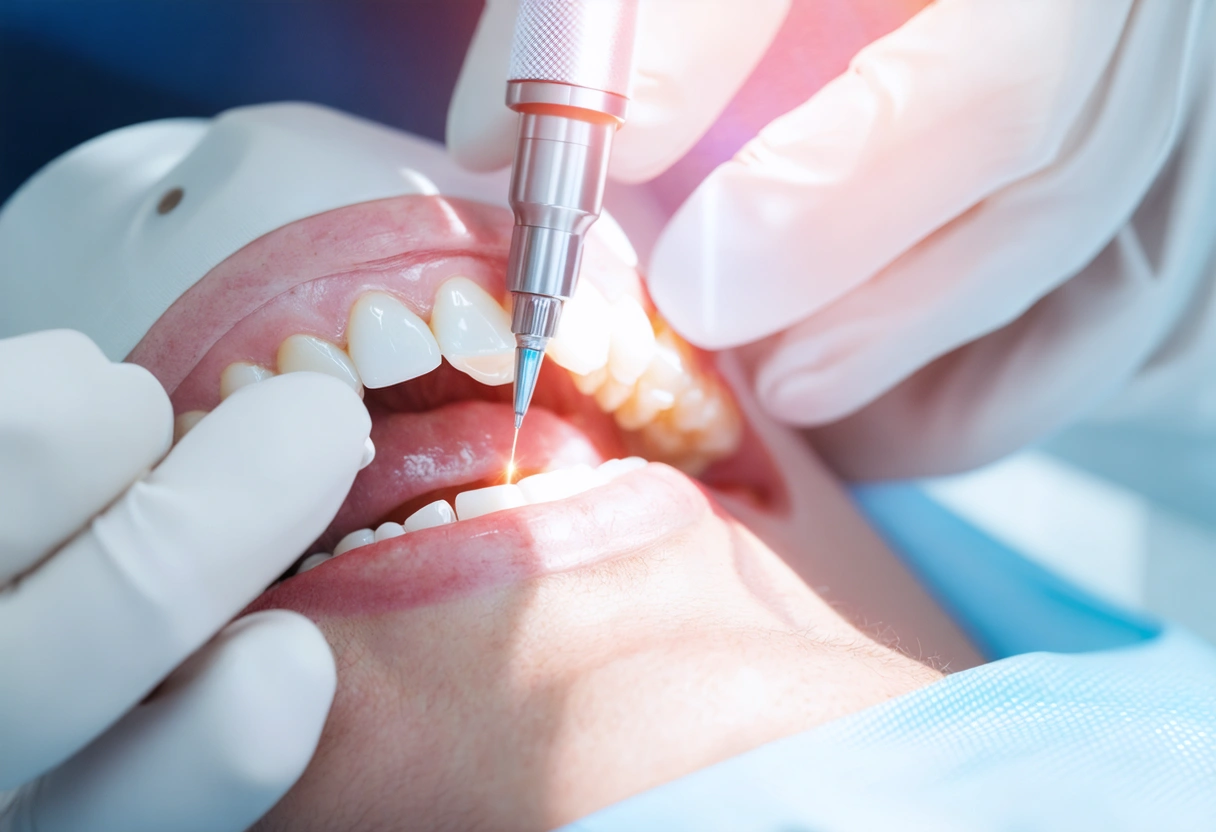
Laser dentistry is another cornerstone of minimally invasive practices. Lasers can be used for a range of procedures such as removing decay, reshaping gums, and even whitening teeth. The precision of lasers allows for targeted treatment, minimizing damage to surrounding tissues and reducing recovery time.
Furthermore, digital imaging and diagnostics play a crucial role in the success of minimally invasive dentistry. Advanced imaging techniques, such as digital X-rays and intraoral cameras, provide detailed visuals of the teeth and gums. This technology enables dentists to detect issues at their earliest stages and plan treatments that are tailored to the specific needs of each patient.
The Role of Preventive Care at Soleil Dental Studio
Preventive care is a cornerstone of the philosophy at Soleil Dental Studio. The team believes that maintaining oral health is a collaborative effort between the dentist and the patient. Through regular check-ups and cleanings, potential problems can be identified and addressed before they necessitate more invasive treatments.
Patient education is a key component of preventive care. The team at Soleil Dental Studio takes the time to inform patients about the practices they can adopt at home to maintain their oral health. This includes proper brushing and flossing techniques, dietary recommendations, and the importance of regular dental visits. By empowering patients with knowledge, they can take an active role in their oral health, which is a fundamental aspect of minimally invasive dentistry.
Benefits of Minimally Invasive Dentistry
One of the most significant advantages of minimally invasive dentistry is the reduction in patient anxiety. Dental fear is a common issue that prevents many individuals from seeking necessary care. By employing techniques that are less invasive and more comfortable, Soleil Dental Studio helps to alleviate these fears, making it easier for patients to prioritize their oral health.
Additionally, preserving natural tooth structure has long-term benefits for oral health. Teeth that maintain more of their original structure are generally stronger and less prone to future issues. This approach also aligns with the body’s natural healing process, promoting a more holistic approach to dental care.
Cost-effectiveness is another benefit. By focusing on prevention and early intervention, patients often require fewer restorative procedures, which can be costly and time-consuming. Minimally invasive dentistry not only reduces the immediate discomfort of dental procedures but also provides a more affordable long-term strategy for maintaining a healthy smile.
Case Studies and Patient Testimonials
The efficacy of minimally invasive dentistry is best highlighted through patient testimonials and case studies. Many patients at Soleil Dental Studio have reported a significant decrease in anxiety and discomfort during their visits. Through techniques like air abrasion and laser treatments, they’ve experienced faster recovery times and fewer complications.
One example is a patient who had avoided dental visits due to fear of needles and drills. After learning about the minimally invasive options available, they decided to undergo treatment at Soleil Dental Studio. The use of laser technology allowed for a virtually painless experience, and the patient expressed relief and satisfaction with the outcome.
These real-world examples underscore the importance of adopting minimally invasive techniques in modern dentistry. They provide compelling evidence of how this approach can transform the patient experience, making dental care more accessible and less intimidating.
The Future of Preventive Dental Care
Minimally invasive dentistry represents the future of preventive dental care. By prioritizing patient comfort and preserving natural tooth structure, practices like Soleil Dental Studio are leading the way in reshaping how dental care is delivered. The emphasis on early detection, advanced technologies, and patient education ensures that oral health can be maintained with minimal discomfort and maximum effectiveness.
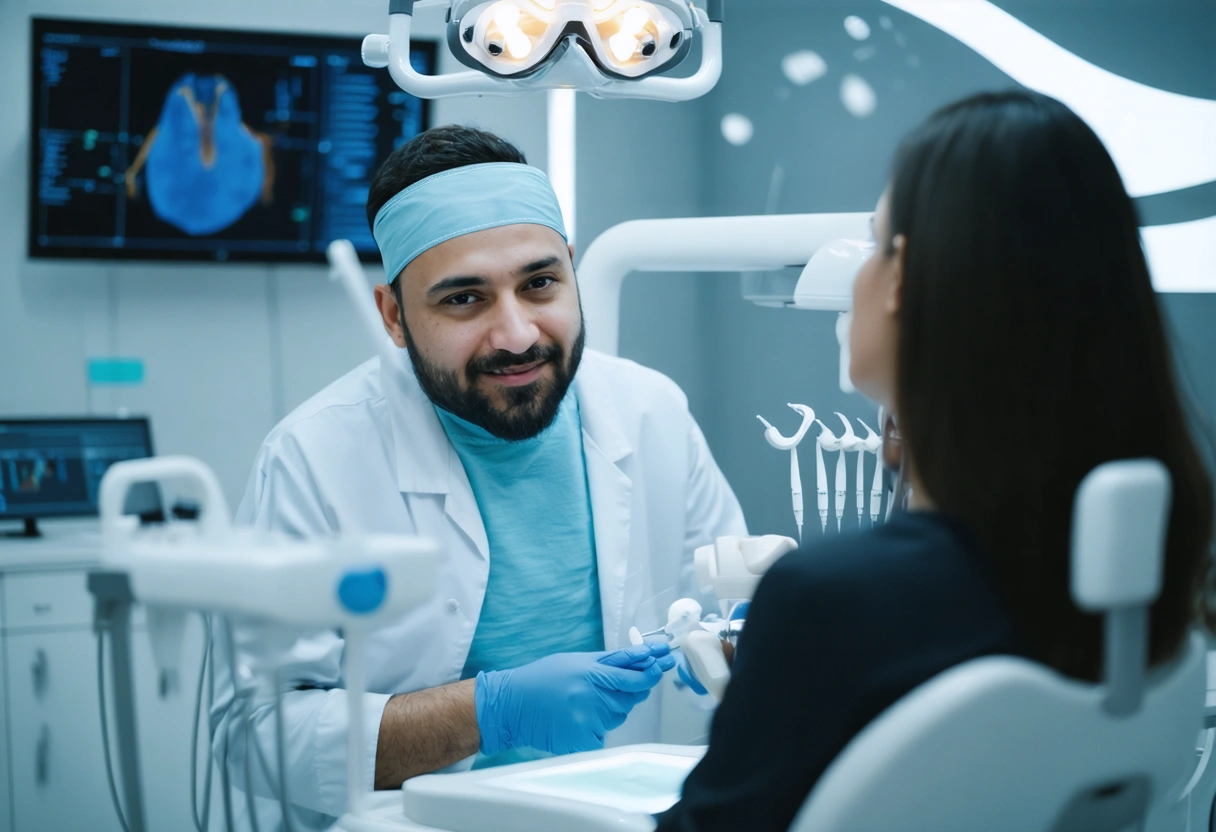
As more dental practices adopt this philosophy, it is anticipated that patient outcomes will continue to improve. The shift towards minimally invasive techniques not only benefits individual patients but also contributes to the broader goal of enhancing public oral health. With continued innovation and commitment to patient-centered care, the future of dentistry looks both promising and patient-friendly.
For those interested in learning more about the benefits of minimally invasive dentistry, resources are available through the American Dental Association and PubMed Central. These platforms offer extensive information on the techniques and technologies that are shaping the future of dental care.
Moreover, integrating minimally invasive dentistry into regular practice encourages a broader shift in the dental community towards patient-centered care. Dental professionals are increasingly recognizing the importance of tailoring treatment plans to individual needs, rather than relying on a one-size-fits-all approach. This customization is particularly important for patients with specific health concerns or those who have had negative experiences with dental care in the past.
The Science Behind Minimally Invasive Techniques
The scientific principles underlying minimally invasive dentistry are rooted in understanding the complex biology of the oral cavity. The approach emphasizes maintaining the natural balance of the mouth’s ecosystem, which includes teeth, gums, and the microbiome. By focusing on preserving this balance, minimally invasive techniques contribute to overall oral health and reduce the risk of systemic health issues that can arise from oral infections.
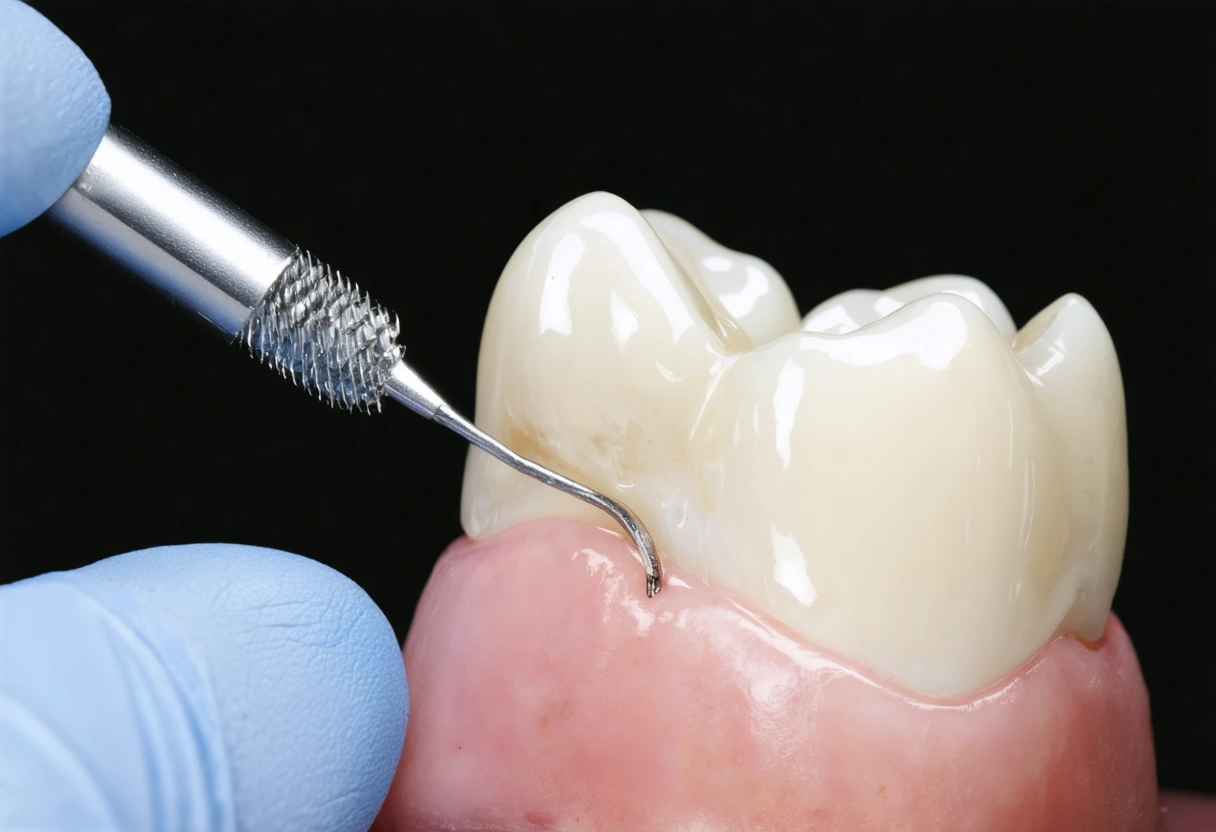
Research has shown that less invasive procedures lead to better outcomes in both the short and long term. For example, studies indicate that using air abrasion instead of conventional drilling can result in less damage to the tooth enamel and dentin, leading to stronger teeth over time. Similarly, the precision of laser technology reduces the need for anesthesia and decreases post-procedure inflammation, allowing for quicker healing.
These scientific advancements are continually evolving, with ongoing research dedicated to improving and refining minimally invasive techniques. Innovations in materials and methods promise even greater benefits as the field progresses, further enhancing patient experiences and outcomes.
Minimally Invasive Dentistry and Pediatric Care
Minimally invasive dentistry is particularly beneficial in pediatric care, where it is crucial to establish positive dental experiences early on. Children can develop dental anxiety due to negative experiences, which often leads to a lifetime of avoiding necessary dental care. By utilizing gentle and less invasive methods, dental professionals can create a more positive, stress-free environment for young patients.
For instance, the use of glass ionomer cements and other biocompatible materials allows for the conservative treatment of cavities in children. These materials release fluoride, which helps strengthen teeth and prevent further decay. Additionally, sealants can be applied to protect the grooves of molars, significantly reducing the incidence of cavities without the need for invasive procedures.
By focusing on preventive care and using minimally invasive techniques, pediatric dentists can help children maintain healthy teeth and gums, setting the foundation for a lifetime of good oral health habits.
Adopting a Minimally Invasive Approach at Home
While professional dental care is essential, patients also play a vital role in maintaining their oral health through daily habits. Adopting a minimally invasive mindset at home involves practicing good oral hygiene and making informed choices about diet and lifestyle.
Regular brushing and flossing are foundational practices that remove plaque and prevent decay. Using a toothpaste with fluoride can further strengthen enamel and protect against cavities. Patients are also encouraged to use softer toothbrushes to minimize damage to the gums and enamel, aligning with the minimally invasive philosophy of preserving natural structures.
Dietary choices also impact oral health. Limiting sugary snacks and drinks reduces the risk of decay, while consuming foods rich in calcium and vitamins supports strong teeth and gums. Staying hydrated with water not only keeps the mouth clean but also stimulates saliva production, which is essential for maintaining a healthy oral environment.
The Future of Dentistry: A Minimally Invasive Outlook
As the dental industry continues to embrace minimally invasive techniques, the future looks promising for both patients and practitioners. Emerging technologies such as 3D printing and regenerative dentistry hold the potential to revolutionize the field, offering new ways to restore and maintain oral health with even greater precision and minimal discomfort.
For instance, 3D printing technology allows for the creation of custom dental appliances and prosthetics with a perfect fit, enhancing comfort and effectiveness. Meanwhile, advances in regenerative dentistry could enable the natural regrowth of tooth structures, offering a groundbreaking alternative to traditional restorative methods.
Educational institutions and continuing education programs are increasingly focusing on minimally invasive techniques, ensuring that new generations of dentists are well-equipped to offer these innovative treatments. As awareness grows, more patients will likely seek out practices like Soleil Dental Studio that prioritize comfort and preventive care through minimally invasive methods.
For additional insights into the potential of minimally invasive dentistry, consider exploring resources from the National Institutes of Health and ScienceDirect, which provide comprehensive analyses of current trends and future directions in the field.
Ultimately, minimally invasive dentistry is more than just a set of techniques; it is a patient-centered philosophy that prioritizes comfort, preservation, and prevention. By choosing practices that adopt this approach, patients can enjoy a more pleasant and effective dental care experience, leading to healthier smiles and improved quality of life.
Need help with Minimally Invasive Dentistry: How Soleil Dental Studio Prioritizes Comfort in Preventive Care?