A healthy smile is often protected by small habits and simple dental visits that work quietly in the background. Preventive care does not have to be complicated to be effective, and three of the most valuable tools are fluoride, dental sealants, and professional cleanings.
These services help reduce the risk of tooth decay, support stronger enamel, and catch early signs of trouble before they become more serious. For children, teens, and adults alike, understanding how these preventive steps work can make routine dental care feel more purposeful and worthwhile.
Why Prevention Matters Before Problems Begin
Many dental issues develop slowly and may not cause pain in the beginning. A small cavity, early gum inflammation, or weakened enamel can progress quietly until treatment becomes more involved. Preventive dentistry focuses on identifying risks early and strengthening the teeth before damage has a chance to spread.
This approach is especially important because the mouth is exposed to acids, bacteria, and food particles every day. Even with excellent brushing and flossing, some areas are difficult to clean thoroughly at home. Back molars, tight spaces between teeth, and the gumline can all collect plaque that contributes to decay and irritation.
Preventive visits also give dental professionals the opportunity to personalize care. A patient who is prone to cavities may benefit from fluoride treatments, while a child with deep grooves in their molars may be a good candidate for sealants. Someone with gum sensitivity or tartar buildup may need more focused cleaning recommendations.
Fluoride and Enamel Strength
Fluoride is a naturally occurring mineral that helps protect teeth by supporting the remineralization of enamel. Enamel is the hard outer layer of the tooth, but it can lose minerals when exposed to acids from bacteria, sugary foods, and acidic drinks. When fluoride is present, it helps replace some of those lost minerals and makes enamel more resistant to future acid attacks.

Professional fluoride treatments are quick and noninvasive. They may be applied as a varnish, gel, foam, or rinse during a dental visit. The goal is to give the teeth a concentrated boost of protection, especially for patients who have a higher risk of cavities, dry mouth, exposed root surfaces, orthodontic appliances, or a history of frequent decay.
Who Can Benefit From Fluoride?
Fluoride is often associated with children, but it can be beneficial at many ages. Children may need it as their teeth develop and as they learn consistent brushing habits. Teens may benefit if they consume sports drinks, snack frequently, or wear braces. Adults may need extra fluoride support when gums recede, medications cause dry mouth, or older dental restorations create areas that trap plaque.
Daily fluoride exposure can also come from toothpaste and, in many communities, fluoridated water. However, professional guidance helps determine whether additional fluoride is appropriate. The right amount can support enamel health without adding unnecessary treatment.
Dental Sealants and Protection for Hard to Reach Grooves
Dental sealants are thin protective coatings placed on the chewing surfaces of the back teeth, usually the molars and premolars. These teeth often have deep pits and grooves that can trap food particles and bacteria, making them more vulnerable to cavities even when brushing habits are good.
A toothbrush can clean the tops of the teeth, but the bristles may not reach all the way into narrow grooves. Sealants help by creating a smoother surface that blocks bacteria and food from settling into those tiny spaces. This added layer of protection is especially useful during the cavity prone years of childhood and adolescence.
How Sealants Are Applied
The sealant process is simple, comfortable, and does not require drilling or numbing. The tooth is first cleaned and dried. A special solution is applied briefly to help the sealant bond properly, then the tooth is rinsed and dried again. The sealant material is painted onto the chewing surface and hardened with a curing light.
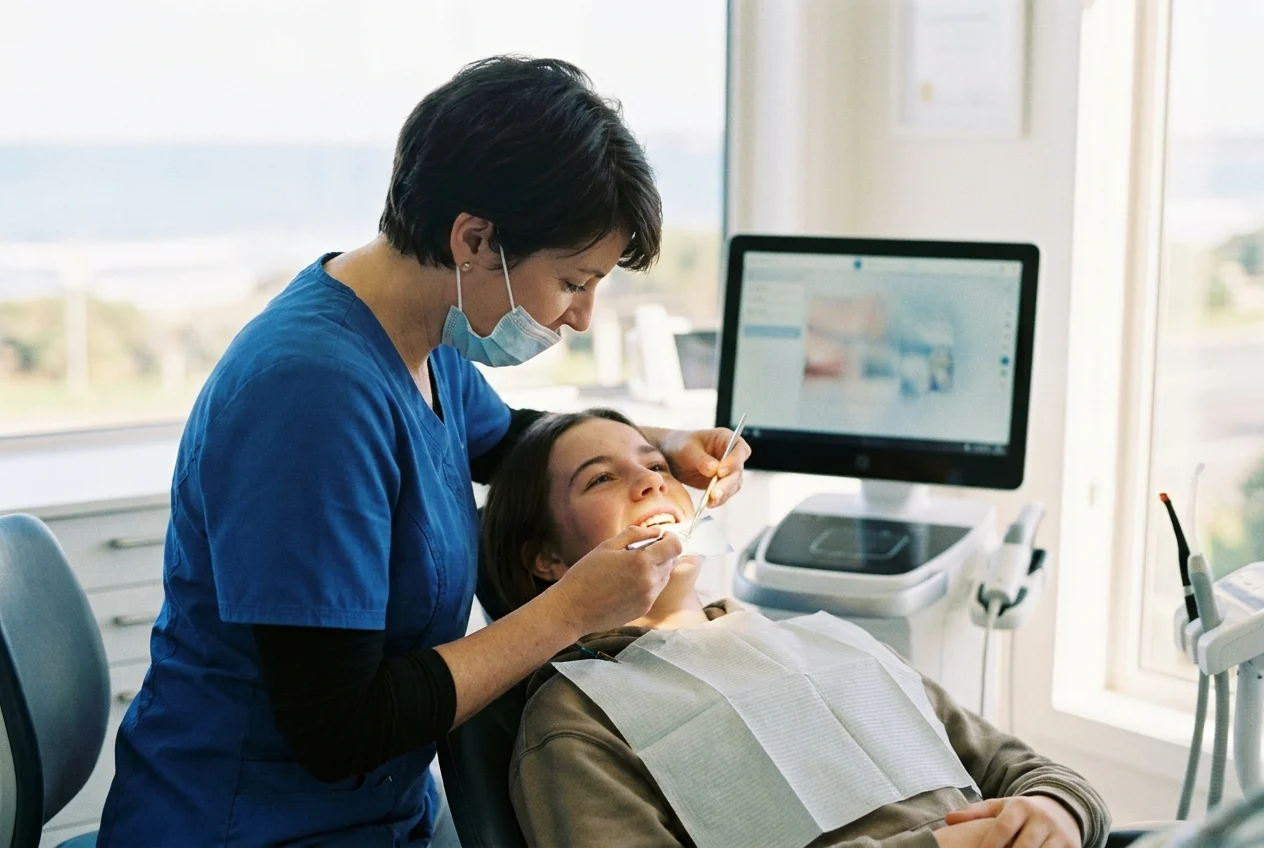
Once in place, sealants are usually not noticeable when speaking or chewing. They are designed to withstand normal biting forces, and a dental professional can check them during regular visits to make sure they remain intact. If a sealant wears down or chips over time, it can often be repaired or replaced quickly.
Who Should Consider Sealants?
Sealants are most commonly recommended for children soon after their permanent molars come in. The first permanent molars often appear around age six, and the second permanent molars usually arrive around age twelve. Protecting these teeth early can reduce the chance of cavities developing in the deep grooves.
Teens who did not receive sealants earlier may still benefit, especially if their molars have deep fissures or they have a history of decay. Some adults may also be candidates if their back teeth are cavity free but have anatomy that makes them difficult to keep clean. A dental exam can determine whether sealants are appropriate based on tooth shape, bite pattern, and decay risk.
Professional Cleanings and What They Do Beyond Brushing
Brushing and flossing at home are essential, but professional cleanings reach areas that daily care can miss. Over time, plaque can harden into tartar, also called calculus. Once tartar forms, it cannot be removed with a regular toothbrush or floss. It needs to be carefully removed with professional dental instruments.
During a cleaning, the dental hygienist removes plaque and tartar from the teeth, including along the gumline and between teeth. The teeth are then polished to remove surface stains and create a smoother finish. This smoothness can make it harder for plaque to accumulate immediately after the visit.
Why Gum Health Is Part of Preventive Care
Professional cleanings are not only about preventing cavities. They also help protect the gums. Plaque and tartar near the gumline can irritate gum tissue, leading to redness, swelling, tenderness, and bleeding during brushing or flossing. These are common signs of gingivitis, the earliest stage of gum disease.
When addressed early, gingivitis can often be reversed with improved home care and regular professional cleanings. If inflammation is ignored, it may progress into more serious gum disease that affects the bone and supporting structures around the teeth. Preventive cleanings help reduce that risk by keeping bacterial buildup under control.

What a Cleaning Visit Can Reveal
A cleaning appointment also gives the dental team a close look at changes in the mouth. They may notice worn enamel, cracked fillings, early decay, gum recession, bite changes, dry mouth symptoms, or signs that a patient may be grinding their teeth. These findings can guide recommendations before a small issue becomes uncomfortable or costly.
For example, a patient with early enamel wear may receive guidance about acidic drinks or nighttime grinding. Someone with recurring plaque buildup in one area may learn a different flossing technique or benefit from an interdental brush.
How These Preventive Steps Work Together
Fluoride, sealants, and cleanings each protect the smile in a different way. Fluoride strengthens enamel and helps repair early mineral loss. Sealants shield cavity prone grooves from bacteria and food debris.
Together, they create a layered approach to prevention. A child with newly erupted molars may receive sealants to protect the chewing surfaces, fluoride to strengthen enamel, and routine cleanings to maintain healthy gums.
This combination is valuable because cavities and gum problems rarely have just one cause. Diet, saliva flow, brushing technique, tooth shape, genetics, medications, and lifestyle habits can all influence oral health.
Common Myths About Preventive Dental Care
Myth: If My Teeth Do Not Hurt, I Do Not Need a Visit
Pain is not always the first sign of a dental problem. Cavities can begin in the enamel without causing discomfort, and gum inflammation may be present long before teeth feel loose or painful.

Myth: Sealants Are Only for Kids
Sealants are especially common for children, but age alone does not determine whether they are useful. The shape of the teeth, cavity history, and ability to keep grooves clean all matter.
Myth: Fluoride Is Only Necessary in Toothpaste
Fluoride toothpaste is important, but some patients need additional support. Professional fluoride treatments may be recommended for people with frequent cavities, dry mouth, exposed roots, braces, crowns, bridges, or certain medical conditions.
Myth: A Cleaning Is Only for Making Teeth Look Better
Polishing can help reduce surface stains, but the main purpose of a professional cleaning is health related. Removing tartar, reducing bacterial buildup, supporting gum health, and checking for early signs of disease are all important parts of the visit.
Everyday Habits That Support Fluoride, Sealants, and Cleanings
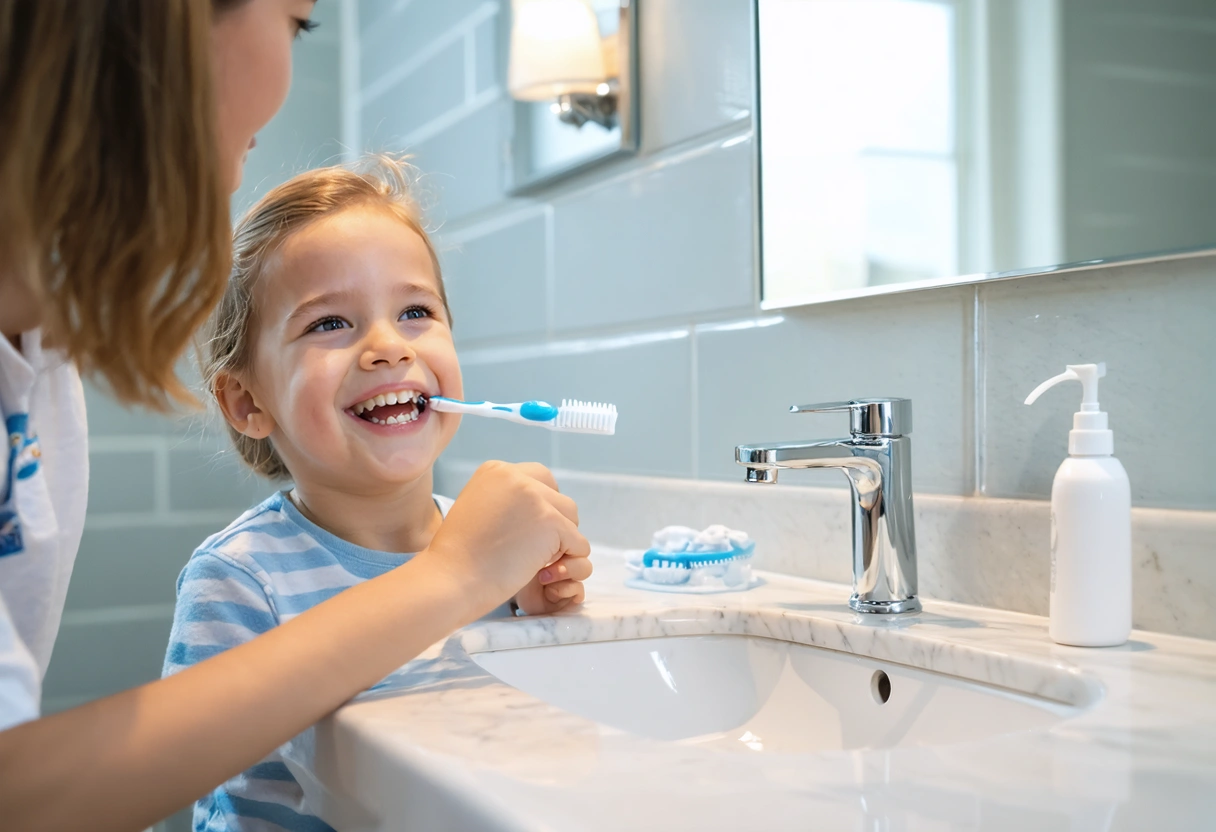
Preventive services are most effective when they are supported by consistent home care. Brushing twice a day with fluoride toothpaste helps remove plaque and strengthen enamel.
Diet also plays a major role. Frequent snacking, sugary drinks, sticky candies, and acidic beverages can increase the amount of time teeth are exposed to harmful acids.
Patients with sealants should still brush the sealed teeth carefully. Sealants protect the grooves, but they do not cover every surface of the tooth. Cavities can still form between teeth or near the gumline if plaque is not removed regularly.
How Often Preventive Care May Be Needed
Many patients benefit from dental cleanings and exams every six months, but the ideal schedule can vary. Someone with excellent oral health and low risk may stay on a standard routine, while a patient with gum disease, heavy tartar buildup, dry mouth, diabetes, or frequent cavities may need visits more often.
Fluoride treatments may be recommended at routine visits or at specific intervals based on cavity risk. Sealants areFluoride treatments may be recommended at routine visits or at specific intervals based on cavity risk.
The best preventive schedule is the one that matches the patient’s individual needs. A dental team may consider age, oral hygiene habits, diet, medical history, medications, saliva flow, orthodontic appliances, and past dental problems when recommending how often cleanings, fluoride, or sealant checks should take place.
Small Steps That Add Up Over Time
Fluoride, sealants, and cleanings may seem simple, but their impact can be significant. By strengthening enamel, protecting vulnerable grooves, and removing buildup that cannot be managed at home, these preventive services help reduce the chance of more complex dental problems later.
When combined with daily brushing, flossing, balanced nutrition, and regular dental exams, preventive care becomes one of the most reliable ways to support long term smile wellness.
Need help with Fluoride, Sealants, and Cleanings: The Small Preventive Steps That Make a Big Difference?