A healthy smile is shaped by much more than a toothbrush. Daily choices involving nutrition, hydration, sleep, stress, and preventive dental visits can influence your risk of cavities, gum disease, enamel wear, and other concerns. When these small choices become consistent habits, they create a strong foundation for lifelong oral wellness.
At Soleil Dental Studio in North Port, preventive care is approached with precision, comfort, and an appreciation for the connection between oral health and whole body wellness. The following habits can complement brushing and help protect the natural beauty, strength, and function of your smile.
Why a Complete Oral Wellness Routine Matters
Brushing twice a day is essential, but even careful brushing cannot fully clean every surface of the teeth. Plaque and food particles often collect between teeth, along the gumline, and around dental restorations. If these areas are overlooked, harmful bacteria can contribute to tooth decay, inflamed gums, persistent bad breath, and gradual bone loss.
Oral health is also influenced by factors beyond plaque control. Frequent snacking, acidic drinks, dry mouth, teeth grinding, tobacco use, and certain health conditions can change the environment inside the mouth. A complete preventive routine addresses these factors early, often allowing dental care to remain gentler, more conservative, and more predictable.
The mouth and body are closely connected
Your gums, teeth, saliva, jaw joints, and oral tissues are part of a larger system. Gum inflammation has been associated with broader health concerns, while conditions such as diabetes, sleep disorders, and chronic stress may affect oral health.
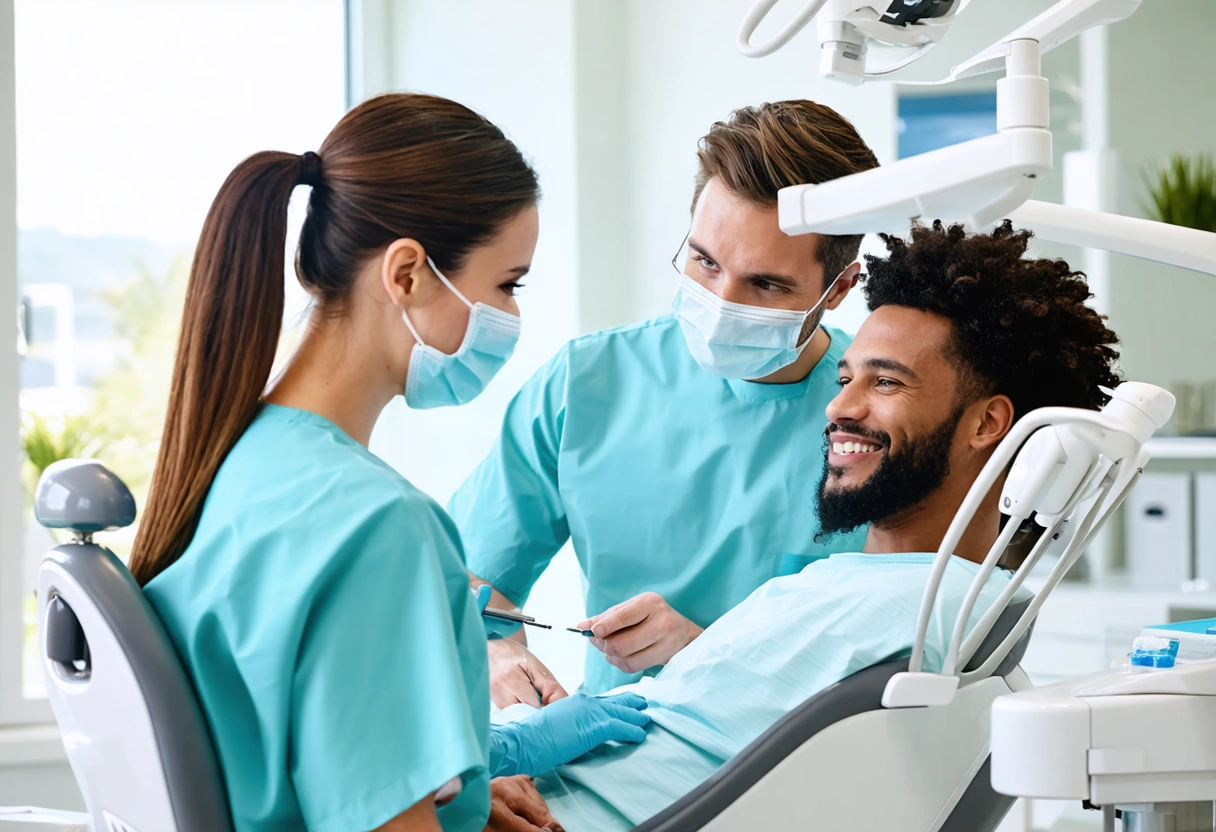
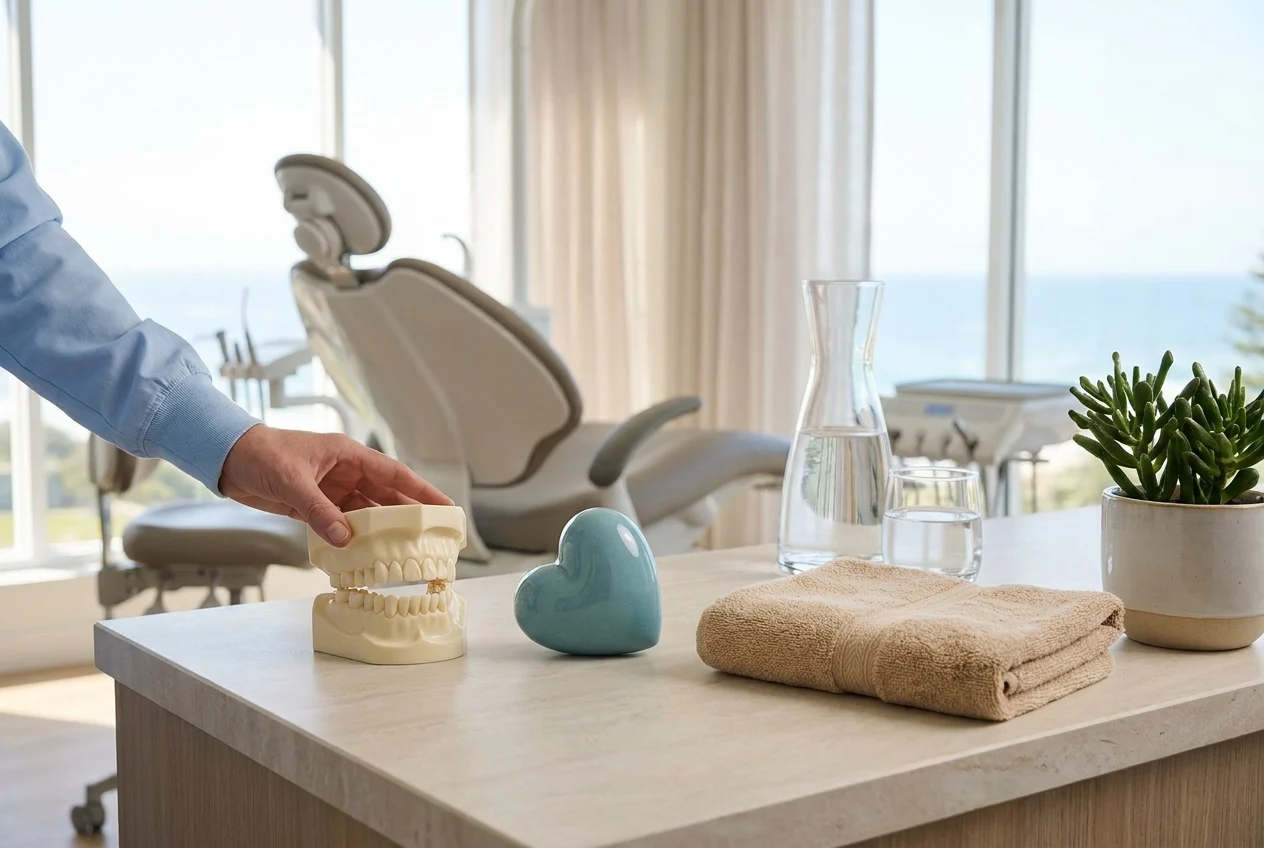
Regular dental evaluations provide an opportunity to identify subtle changes before they become uncomfortable or complex. Dr. Rudy Carballo, Dr. Valentina Barrucci, and the Soleil team use modern technology and attentive clinical care to help patients understand their individual risks and make informed decisions in a calm, ocean inspired setting.
Habit 1: Clean Between Your Teeth Every Day
Toothbrush bristles cannot reliably reach the narrow spaces between teeth. Daily flossing or the use of another dentist recommended interdental cleaner removes plaque from these hidden areas, helping reduce the risk of cavities and gum inflammation.
Traditional floss may work well for closely spaced teeth, while floss picks, interdental brushes, or water flossers can be helpful for patients with bridges, dental implants, orthodontic appliances, or limited hand mobility.
Pay attention to bleeding gums
Gums that bleed during flossing are often showing signs of inflammation rather than indicating that flossing should stop. Gentle daily cleaning may improve mild bleeding as plaque levels decrease.
A personalized preventive visit can reveal areas that are difficult to clean and determine whether gum disease is developing. Professional guidance can also make at home care feel simpler and more comfortable, especially if sensitive gums or dental restorations have made flossing challenging.
Habit 2: Support Your Smile With Water and Saliva
Water helps rinse away food particles and dilute acids produced by oral bacteria. Drinking water throughout the day is particularly beneficial after meals, snacks, coffee, or acidic beverages.
Saliva is another important part of the mouth’s natural defense system. It helps neutralize acids, wash away debris, and supply minerals that support enamel. When saliva flow decreases, the risk of cavities, bad breath, oral irritation, and difficulty swallowing may increase.
Recognize the signs of dry mouth
A sticky or dry sensation, thick saliva, cracked lips, frequent thirst, altered taste, or trouble speaking and swallowing may indicate dry mouth. Common causes include medications, dehydration, mouth breathing, tobacco use, stress, and certain medical conditions.
Dry mouth care should be tailored to its underlying cause. During a preventive dental evaluation, the Soleil Dental Studio team can assess changes in the teeth and oral tissues, discuss contributing factors, and recommend gentle strategies to protect the smile.

Habit 3: Choose Foods That Help Protect Enamel and Gums
What you eat matters, but how often you eat can be equally important. Each time sugars or refined carbohydrates enter the mouth, certain bacteria produce acids that temporarily soften tooth enamel.
Whenever possible, enjoy snacks with meals rather than sipping or nibbling throughout the day. Foods that support smile wellness include leafy greens, crisp vegetables, plain yogurt, cheese, eggs, nuts, and other nutrient rich choices.
Be mindful of hidden sugars and acids
Sugar is found in more than candy and desserts. Sweetened coffee, sports drinks, energy drinks, flavored waters, dried fruit, and many packaged snacks can create repeated exposure throughout the day.
Acidic beverages can also contribute to enamel erosion, including options that contain little or no sugar. Citrus drinks, sparkling beverages, soda, and some wellness drinks may gradually soften the enamel when consumed frequently.
Avoid brushing immediately after a highly acidic food or drink because softened enamel may be more vulnerable to abrasion. Rinse with water and wait about 30 minutes before brushing.
Build snacks around smile supportive choices
A balanced snack might pair apple slices with cheese, vegetables with hummus, or plain yogurt with fresh berries. Sugar free gum containing xylitol can also stimulate saliva after eating when brushing is not practical.
Habit 4: Protect Your Teeth From Grinding and Clenching
Teeth are designed to withstand the forces of normal chewing, but repeated grinding or clenching can place excessive pressure on enamel, fillings, crowns, jaw joints, and facial muscles.
Possible clues include flattened or chipped teeth, new sensitivity, tight jaw muscles, morning headaches, facial soreness, or discomfort near the ears. Some patients also notice that their teeth feel tired after waking or that dental restorations seem to break more often than expected.

Create moments of relaxation for your jaw
During the day, check whether your teeth are touching when you are not chewing or swallowing. At rest, the lips may be gently closed while the teeth remain slightly apart.
Sleep quality and stress management may also influence grinding. A consistent bedtime routine, gentle stretching, meditation, and reduced evening caffeine can support relaxation, although they may not fully resolve the condition.
Ask whether a custom nightguard is appropriate
A custom nightguard may be recommended when grinding or clenching places the smile at risk. Unlike a generic appliance, a professionally designed guard is created to fit the contours of the teeth and support a comfortable, balanced bite.
Jaw pain and tooth wear can have several causes, so an evaluation is important before choosing an appliance. Dr. Rudy Carballo and Dr. Valentina Barrucci can assess the bite, teeth, muscles, and jaw joints to determine whether a nightguard or another approach is most appropriate.
Habit 5: Make Sleep and Breathing Part of Oral Wellness
Restful sleep supports healing, immune function, stress regulation, and overall wellness. It can also affect the mouth. Snoring, open mouth breathing, nasal congestion, and certain sleep related breathing concerns may contribute to dry mouth, morning bad breath, irritated gums, and an increased risk of cavities.
Clues that deserve attention include waking with a very dry mouth, frequent morning headaches, unrestful sleep, loud snoring, daytime fatigue, or reports of gasping during sleep.
Do not ignore persistent mouth breathing or snoring
Not every person who snores has a sleep disorder, but frequent or disruptive symptoms should be discussed with an appropriate health professional. A dentist can identify oral signs that may warrant further evaluation, but diagnosis and treatment may require collaboration with a physician or sleep specialist.

Simple habits such as staying hydrated, maintaining a consistent sleep schedule, and addressing known nasal congestion may improve comfort. However, ongoing symptoms should not be managed with home remedies alone.
Habit 6: Avoid Tobacco and Use Alcohol Mindfully
Tobacco in every form can have serious effects on the mouth. Smoking, vaping, and smokeless tobacco may increase the risk of gum disease, delayed healing, tooth loss, staining, persistent bad breath, and oral cancer.
Quitting can benefit the gums and oral tissues at any stage. The process may take several attempts, and support from medical professionals, counseling resources, or evidence based cessation programs can improve the likelihood of success.
Understand how alcohol can affect the mouth
Frequent alcohol use may contribute to dry mouth and tissue irritation. Some alcoholic beverages are also acidic or high in sugar, creating additional challenges for enamel.
Any mouth sore, red or white patch, unexplained lump, hoarseness, or difficulty swallowing that persists for more than two weeks should be professionally evaluated. These changes are often caused by conditions other than cancer, but prompt assessment is important.
Habit 7: Keep Preventive Dental Visits Consistent
Even an excellent home routine cannot replace professional preventive care. Dental examinations and cleanings help identify concerns that may be difficult to see or feel at home, including early decay, gum changes, cracks, bite problems, worn restorations, and abnormalities in the soft tissues.
Many dental conditions develop quietly. Cavities may not hurt until they become deeper, and gum disease can progress with little discomfort. Finding a concern early often allows treatment to be more comfortable, conservative, and predictable while preserving more natural tooth structure.

Your ideal visit schedule should be personalized
Two visits per year are common, but the right schedule depends on individual needs. Patients with active gum disease, dry mouth, frequent cavities, dental implants, orthodontic appliances, certain medical conditions, or a history of extensive treatment may benefit from more frequent care.
At Soleil Dental Studio, preventive recommendations are based on a thoughtful evaluation rather than a one size fits all schedule. Modern imaging, detailed clinical assessments, and attentive conversations help Dr.
Use each visit as an opportunity to ask questions
Preventive visits are an ideal time to discuss sensitivity, bleeding gums, dry mouth, jaw tension, cosmetic concerns, or changes in your medical history and medications.
If dental visits cause anxiety, communicating your concerns beforehand can also create a more comfortable experience. Soleil Dental Studio’s serene, ocean inspired environment and personalized approach are designed to help patients feel heard, informed, and at ease throughout their care.
Creating a Routine That Lasts
Lifelong smile wellness does not require perfection. Begin with one manageable change, such as cleaning between your teeth every evening, carrying water throughout the day, or reducing frequent snacking.
Combined with twice daily brushing using fluoride toothpaste, these seven habits can help preserve healthy gums, strong enamel, comfortable function, and natural looking confidence. Consistency, personalized guidance, and early preventive care offer the most reliable path toward a radiant smile for years to come.
Need help with Beyond Brushing: 7 Simple Habits for Lifelong Smile Wellness?