
Brushing twice a day is essential, but a healthy smile depends on what happens during the many hours between those brushing sessions. Everyday choices involving hydration, food, cleaning techniques, and stress can influence plaque levels, enamel strength, gum health, and even the freshness of your breath.
At Soleil Dental Studio in North Port, preventive care is approached with precision, comfort, and a whole person perspective. By pairing professional guidance with a few thoughtful daily habits, you can protect your teeth and gums while supporting a naturally radiant smile for years to come.
Why Your Daily Routine Matters to Oral Health
Your mouth is a living environment filled with bacteria, saliva, soft tissues, and mineral rich tooth enamel. Some oral bacteria are harmless, while others feed on sugars and starches left behind after meals. As these bacteria produce acids, they can weaken enamel and contribute to cavities. Plaque that remains near the gumline may also irritate the gums, leading to tenderness, bleeding, or the early stages of gum disease.
Brushing removes plaque from many visible tooth surfaces, but a toothbrush cannot fully clean between tightly spaced teeth or beneath the gumline. It also cannot offset frequent snacking, dry mouth, tobacco use, or habits that place excessive pressure on teeth. A complete preventive routine addresses these risks throughout the day instead of relying on brushing alone.
Small actions are especially valuable because dental concerns often develop gradually. Consistent preventive habits can reduce inflammation, preserve natural tooth structure, and help restorative or cosmetic dental work last longer. They can also make professional cleanings more comfortable by limiting hardened tartar buildup.
Start With the Spaces Your Toothbrush Cannot Reach
Habit 1: Clean Between Your Teeth Every Day
Flossing and other forms of interdental cleaning remove plaque and food particles from areas that toothbrush bristles often miss. These narrow spaces are common locations for cavities and gum inflammation, particularly when plaque remains undisturbed day after day. Cleaning between the teeth once daily helps protect both the enamel and the delicate gum tissue that supports your smile.

Traditional dental floss is effective when it is guided gently between the teeth and curved around each tooth in a C shape. The floss should move slightly beneath the gumline without snapping or forcing it into the tissue. Patients with bridges, braces, dental implants, limited dexterity, or larger spaces between their teeth may benefit from floss threaders, interdental brushes, or a water flosser.
The best tool is one that fits your individual smile and feels comfortable enough to use consistently. Dr. Rudy Carballo, Dr. Valentina Barrucci, and the Soleil team can evaluate the spacing between your teeth, the condition of your gums, and any existing dental work to recommend a personalized technique.
Habit 2: Clean Your Tongue Gently
The textured surface of the tongue can hold bacteria, food debris, and dead cells. This buildup may contribute to persistent bad breath and can allow bacteria to spread back across freshly cleaned teeth. Gently cleaning the tongue once a day provides a more complete approach to oral hygiene.
You can use a tongue scraper or the soft bristles of your toothbrush, moving from the back of the tongue toward the tip with light pressure. Aggressive scraping is unnecessary and may irritate sensitive tissue. If a coated tongue, unusual color, soreness, or bad breath continues despite careful home care, a dental evaluation can help identify possible oral or wellness related causes.
Support Enamel With Hydration and Thoughtful Nutrition
Habit 3: Sip Water Throughout the Day
Water does more than quench thirst. It rinses away loose food particles, dilutes acids, and supports the steady flow of saliva. Saliva is one of your mouth’s most important natural defenses because it helps neutralize acids and supplies minerals that strengthen enamel after eating.
Frequent hydration is especially important in North Port’s warm coastal climate, where heat, outdoor activity, and exercise can contribute to dehydration. Keep a reusable water bottle nearby and take regular sips rather than waiting until you feel thirsty. Plain water is the most tooth friendly choice because it hydrates without exposing enamel to added sugar or acidity.

Dry mouth may also be associated with certain medications, medical conditions, mouth breathing, tobacco use, or changes that occur with age. If your mouth often feels sticky or dry, or you regularly wake with a dry mouth, mention it during your dental visit. Persistent dryness can raise the risk of cavities, gum irritation, and bad breath, so identifying the cause is an important part of preventive care.
Habit 4: Be Mindful of How Often You Snack
The frequency of sugar and starch exposure can matter as much as the amount consumed. Each time you eat fermentable carbohydrates, oral bacteria begin producing acids. Saliva gradually restores a healthier environment, but frequent grazing can restart this acid cycle before enamel has had time to recover.
Whenever possible, enjoy snacks at defined times instead of nibbling throughout the day. Choose foods that provide nourishment without clinging to the teeth, such as cheese, plain yogurt, nuts, vegetables, or fresh fruit. Crisp produce such as apples, carrots, and celery can encourage saliva flow, although these foods do not replace brushing or interdental cleaning.
Sticky foods require special attention because they may remain in the grooves of teeth or between teeth for extended periods. This includes obvious sweets as well as dried fruit, crackers, chips, and chewy snack bars. Rinsing with water after eating can help loosen residue when brushing is not immediately practical.
Acidic drinks and foods can also soften the enamel surface temporarily. Soda, energy drinks, sports drinks, citrus beverages, and sparkling water with added acids may contribute to enamel erosion when consumed frequently. Try to enjoy acidic beverages with a meal rather than sipping them over several hours. Using a straw may reduce contact with the front teeth, but it does not eliminate acid exposure.
After something acidic, rinse with plain water and wait about 30 to 60 minutes before brushing. This gives saliva time to begin neutralizing the mouth and allows softened enamel to reharden before it is exposed to toothbrush friction.

Protect Your Smile From Everyday Pressure
Habit 5: Notice Clenching and Grinding
Stress sometimes shows up in the jaw before you consciously recognize it. Clenching during the day or grinding during sleep can place significant force on teeth, jaw joints, muscles, fillings, veneers, and crowns. Over time, this pressure may contribute to worn enamel, small fractures, tooth sensitivity, headaches, facial soreness, or changes in the way the teeth fit together.
Build brief jaw checks into your routine, particularly while driving, working at a computer, or concentrating. At rest, your lips may touch gently, but your upper and lower teeth should usually remain slightly apart. Let your tongue rest comfortably and release unnecessary tension from your shoulders and jaw.
Relaxation practices such as slow breathing, stretching, and taking screen breaks may help reduce daytime clenching. Avoid chewing ice, pens, fingernails, or other hard objects, since these habits add more stress to already vulnerable teeth.
Because nighttime grinding happens unconsciously, it may require professional evaluation. Signs can include flattened tooth edges, chipped restorations, morning jaw fatigue, or a partner hearing grinding sounds.
Habit 6: Keep Tobacco and Nicotine Away From Your Mouth
Cigarettes, cigars, smokeless tobacco, and nicotine products can affect far more than the appearance of a smile. Tobacco use is associated with staining, persistent bad breath, delayed healing, gum disease, tooth loss, and oral cancer.

Vaping is not harmless to oral health. Aerosols, heat, flavoring ingredients, and nicotine may contribute to dry mouth and tissue irritation. Reduced saliva can make it easier for plaque to accumulate and can increase vulnerability to decay.
If you currently use tobacco or nicotine, honest communication with your dental team helps us care for you without judgment. More frequent examinations or professional cleanings may be appropriate based on the condition of your gums and soft tissues.
Make Professional Prevention Part of Your Routine
Habit 7: Keep Consistent Dental Visits
Even excellent home care cannot remove tartar once plaque has hardened on the teeth. Professional cleanings gently remove these deposits from areas that are difficult to reach, helping maintain healthier gums and a smoother, fresher smile.
Your recommended visit schedule should reflect your individual needs. Some patients do well with preventive appointments every six months, while others benefit from more frequent care because of gum disease, dry mouth, orthodontic appliances, implants, a history of frequent cavities, or certain health conditions.
At Soleil Dental Studio, Dr. Rudy Carballo and Dr. Valentina Barrucci combine a careful clinical examination with modern technology to evaluate the teeth, gums, bite, restorations, and oral tissues.
These visits are also an opportunity to refine your home routine. Bring your questions about flossing tools, toothpaste, electric toothbrushes, sensitivity, dry mouth, or nutrition.
How to Turn These Habits Into a Sustainable Routine
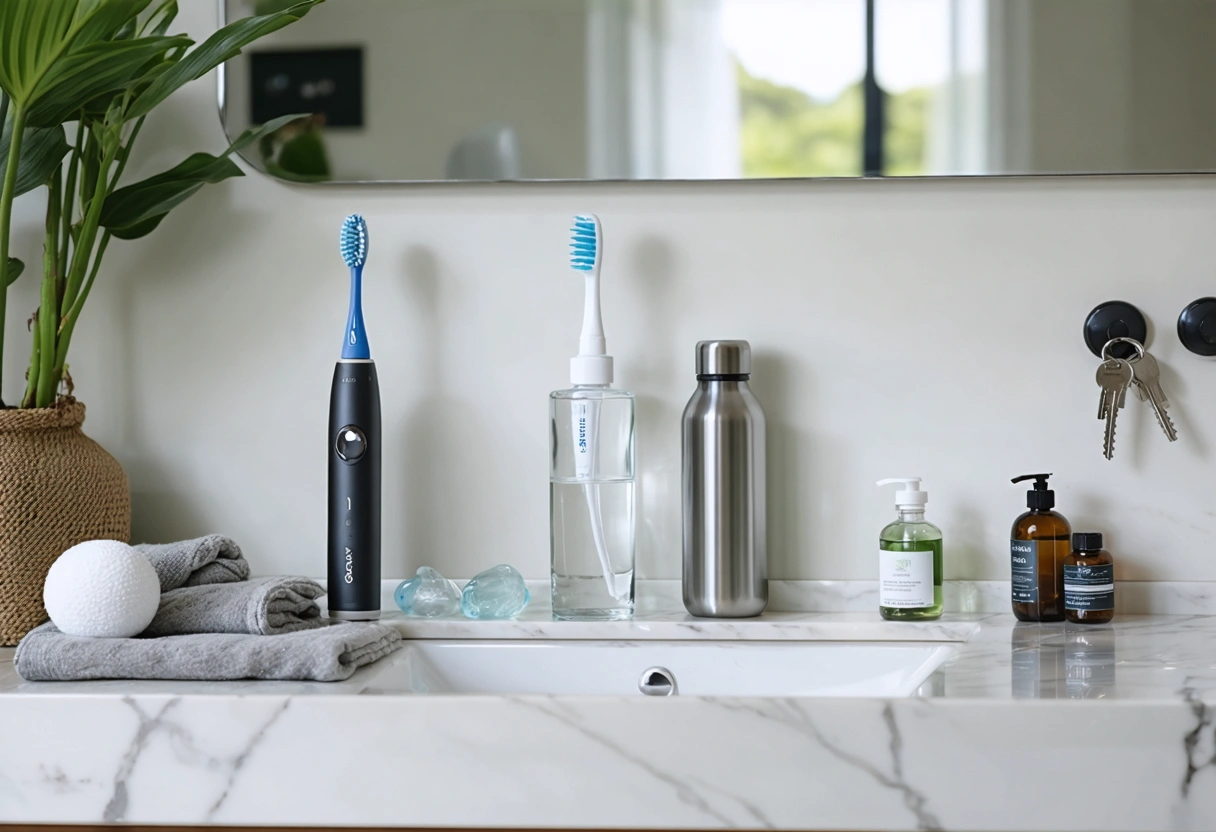
A healthy routine does not need to feel complicated. Consistency grows more easily when each habit is connected to something you already do. Keep floss beside your toothbrush, clean your tongue after brushing in the morning, refill your water bottle before leaving home, and check for jaw tension whenever you sit down to work.
If adding all seven habits at once feels overwhelming, begin with the change that addresses your greatest risk. Someone with bleeding gums might prioritize daily interdental cleaning, while a person with dry mouth may begin by improving hydration and discussing possible causes with a dentist.
Pay attention to signs that your routine may need professional support. Bleeding during brushing or flossing, persistent bad breath, sensitivity, receding gums, loose teeth, jaw discomfort, and recurring mouth sores are not concerns to simply work around.
A More Complete Approach to Lasting Smile Wellness
Brushing remains the foundation of oral hygiene, but lasting wellness comes from caring for the entire environment of the mouth. Cleaning between teeth, caring for the tongue, staying hydrated, choosing thoughtful eating patterns, managing jaw tension, avoiding tobacco, and maintaining professional visits work together to protect your teeth and gums.
At Soleil Dental Studio, preventive dentistry is designed to feel calm, personal, and empowering. In an ocean inspired setting, the Soleil team helps patients throughout North Port understand their unique needs and build practical routines that support comfortable function, natural beauty, and confident smiles for years to come.
Need help with Beyond Brushing: 7 Daily Habits That Protect Your Teeth and Gums?