Unveiling the Art and Science of Dental Crowns: A Comprehensive Guide
In the realm of restorative dentistry, dental crowns represent a perfect fusion of art and science. They are not just a cosmetic solution, but a functional restoration that plays an essential role in dental repair. Understanding the nuances of dental crowns can significantly enhance one’s appreciation of their importance in oral health. This guide aims to delve deep into the multifaceted world of dental crowns, exploring their types, benefits, procedures, and more.
Understanding Dental Crowns
Dental crowns, often referred to as caps, are prosthetic restorations that are placed over damaged or decayed teeth. Their primary purpose is to restore the tooth’s shape, size, strength, and appearance. Dental crowns are a versatile solution used in various situations, such as after a root canal treatment, to cover a dental implant, or to protect a weak tooth from breaking.
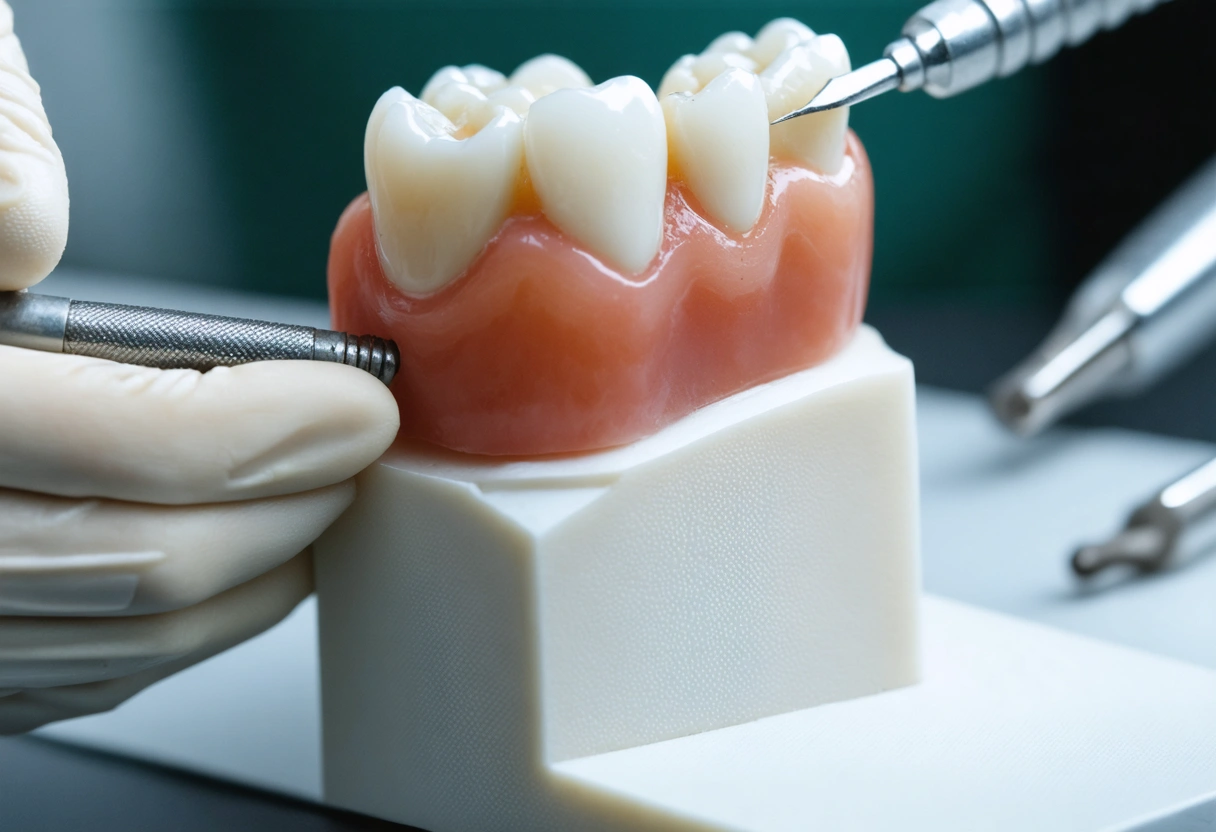
The art of crafting a dental crown involves precision and attention to detail. A dental technician must ensure that the crown not only fits snugly but also matches the natural color and translucency of the patient’s teeth. This requires a keen eye for aesthetics and deep knowledge of dental materials.
The Science Behind Dental Crowns
The science of dental crowns involves understanding the materials used and their interaction with the oral environment. Crowns can be made from several materials, including ceramics, porcelain, metal alloys, and composite resins. Each material has its own set of properties, making it suitable for different clinical scenarios. For example, ceramic crowns are popular for their aesthetic appeal, while metal crowns are known for their strength and durability.
The process of placing a dental crown involves several steps, starting with tooth preparation. This involves reshaping the tooth to accommodate the crown. An impression is then taken to create a model, which serves as a guide for crafting the crown. This is followed by the placement of a temporary crown while the permanent one is being made. Finally, the permanent crown is cemented in place, restoring the tooth’s function and appearance.
Types of Dental Crowns and Their Uses
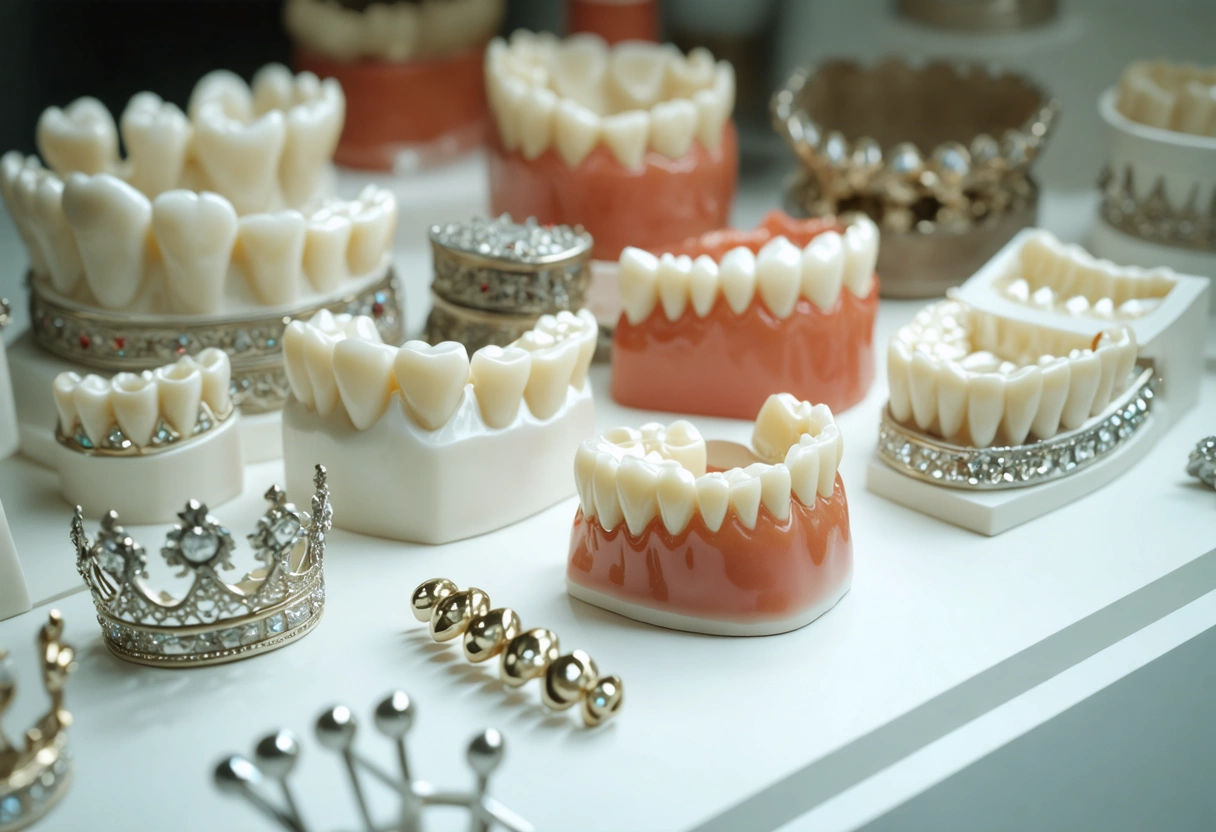
There are various types of dental crowns, each suited to different needs and preferences. The choice of crown depends on factors such as the tooth’s location, the patient’s budget, and aesthetic considerations.
Porcelain and Ceramic Crowns: These crowns are favored for their natural appearance, making them ideal for front teeth. They are biocompatible and can be color-matched to the surrounding teeth, providing an aesthetically pleasing result.
Metal Crowns: Made from gold or metal alloys, these crowns offer exceptional strength and durability. They are less likely to chip or break, making them suitable for molars that endure heavy chewing forces.
Porcelain-Fused-to-Metal (PFM) Crowns: Combining the strength of metal with the aesthetic benefits of porcelain, PFM crowns are a popular choice for both front and back teeth. They offer a balance between durability and appearance.
Resin Crowns: These are a more affordable option, often used as a temporary solution. While they provide a good aesthetic result, they are less durable compared to other materials.
Benefits of Dental Crowns

Dental crowns offer a myriad of benefits, enhancing both oral health and aesthetics. One of the primary advantages is the protection and support they provide to damaged teeth. By covering and encasing the remaining tooth structure, crowns prevent further decay and potential tooth loss. This is particularly beneficial following procedures like root canals, where the tooth may be weakened.
In addition to their protective function, dental crowns can significantly enhance the appearance of a smile. They can be used to cover discolored or misshapen teeth, creating a uniform and attractive appearance. This can boost a patient’s confidence and improve their overall quality of life. Moreover, dental crowns can restore the function of a tooth, allowing for proper biting and chewing, which is essential for digestion and nutrition.
Procedure for Getting a Dental Crown
The process of getting a dental crown typically involves two dental visits. During the first visit, the dentist prepares the tooth by removing any decay and shaping the tooth to fit the crown. An impression of the tooth is then taken and sent to a dental laboratory where the crown is crafted.
A temporary crown is placed over the tooth to protect it until the permanent crown is ready. During the second visit, the temporary crown is removed, and the permanent crown is cemented onto the tooth. The dentist will make necessary adjustments to ensure a proper fit and comfortable bite.
The entire procedure is usually completed within two to three weeks. However, advancements in dental technology, such as CEREC technology, now allow for same-day crowns, which can be crafted and placed in a single appointment.
Maintaining Dental Crowns
Proper care and maintenance are crucial for the longevity of dental crowns. While crowns themselves do not decay, the underlying tooth structure can still be vulnerable to decay and gum disease. It is essential to maintain good oral hygiene practices, including regular brushing, flossing, and visiting the dentist for routine check-ups.

Avoiding hard and sticky foods is also recommended, as these can damage or dislodge the crown. Patients should also be mindful of habits such as teeth grinding or clenching, which can compromise the integrity of the crown. In some cases, a night guard may be recommended to protect the crown from excessive wear.
Common Concerns and Solutions
Although dental crowns are a reliable restoration option, some patients may experience concerns such as sensitivity or discomfort. Sensitivity often occurs immediately after the procedure and typically subsides within a few days. Using toothpaste designed for sensitive teeth can help alleviate discomfort.
If a crown becomes loose or falls off, it is important to contact the dentist promptly. In most cases, the crown can be re-cemented. However, if the crown is damaged, a replacement may be necessary. Regular dental visits allow for early detection of any issues, ensuring that crowns remain functional and aesthetically pleasing.
It’s worth noting that, with proper care, dental crowns can last between five to fifteen years, and sometimes even longer. The lifespan of a crown depends on factors such as the material used, the location of the crown, and the patient’s oral hygiene habits.
Takeaways
Dental crowns are an integral component of restorative dentistry, providing a solution that is both functional and aesthetic. By understanding the art and science behind dental crowns, patients can make informed decisions about their dental care. From the selection of materials to the procedure itself, each aspect of dental crowns is designed to ensure the best possible outcome for oral health and appearance.
For those considering a dental crown, consulting with a qualified dental professional is essential. They can provide personalized advice and recommend the best type of crown for an individual’s specific needs. With advancements in dental technology, the future of dental crowns promises even more improvements in materials and techniques, making them an even more effective solution for dental repair and restoration.
For more in-depth information about the role of dental crowns in restorative dentistry, consider exploring resources like the WebMD’s guide on dental crowns or the Healthline’s comprehensive overview, both of which provide valuable insights into this crucial dental treatment.
Advancements in Dental Crown Technology
The field of restorative dentistry is continually evolving, and dental crowns are no exception. Recent advancements in technology have revolutionized the way dentists approach dental crown fabrication and placement, leading to improved outcomes and patient satisfaction.
One of the most significant advancements is the introduction of CAD/CAM technology, which stands for Computer-Aided Design and Computer-Aided Manufacturing. This technology allows dentists to design and manufacture crowns with extreme precision. The process begins with a digital scan of the patient’s tooth, eliminating the need for traditional impressions. The digital model is then used to mill the crown from a block of ceramic or other suitable materials. This not only speeds up the production process but also enhances the accuracy of the fit, reducing the need for adjustments.
Another notable development is the use of new materials that mimic the natural properties of enamel more closely than ever before. Zirconia, for instance, has become a popular choice due to its strength and aesthetic qualities. It can be used for both anterior and posterior crowns, providing a versatile option that meets various clinical needs.
Integrating Digital Dentistry with Crowns
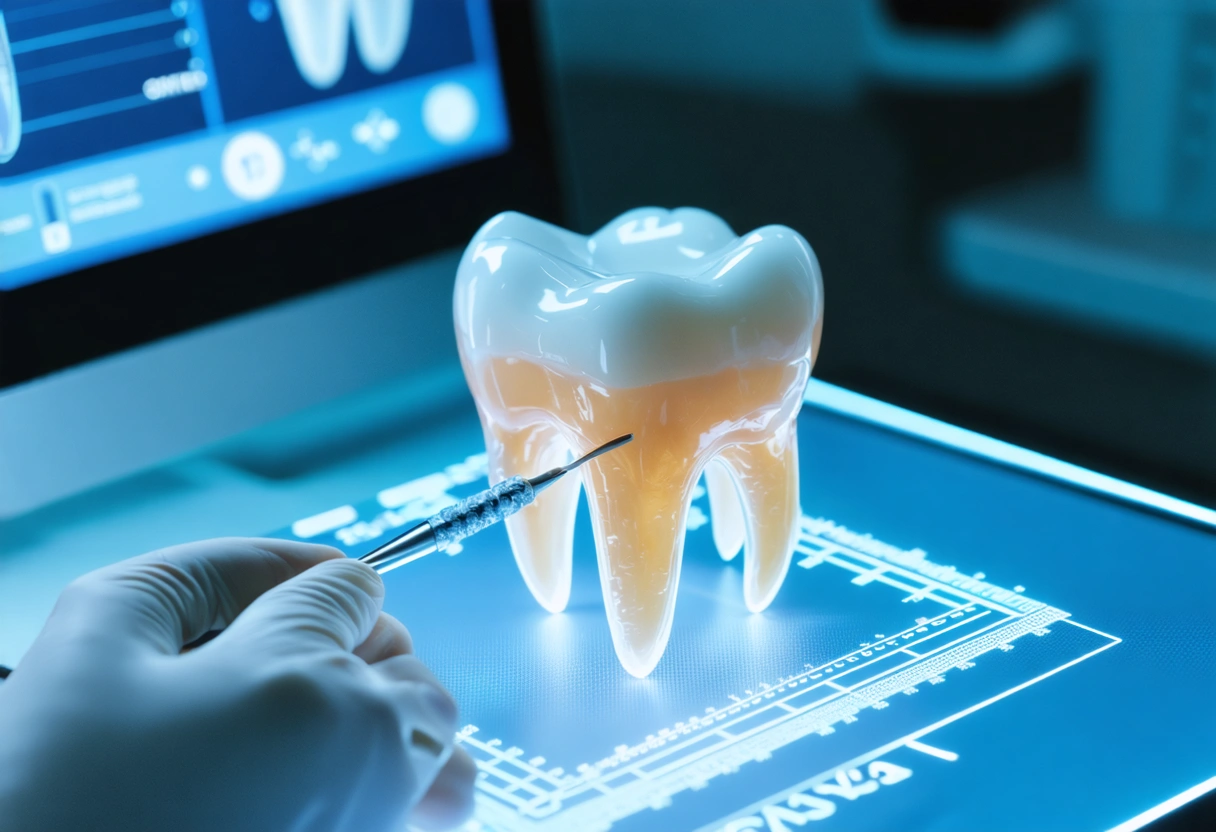
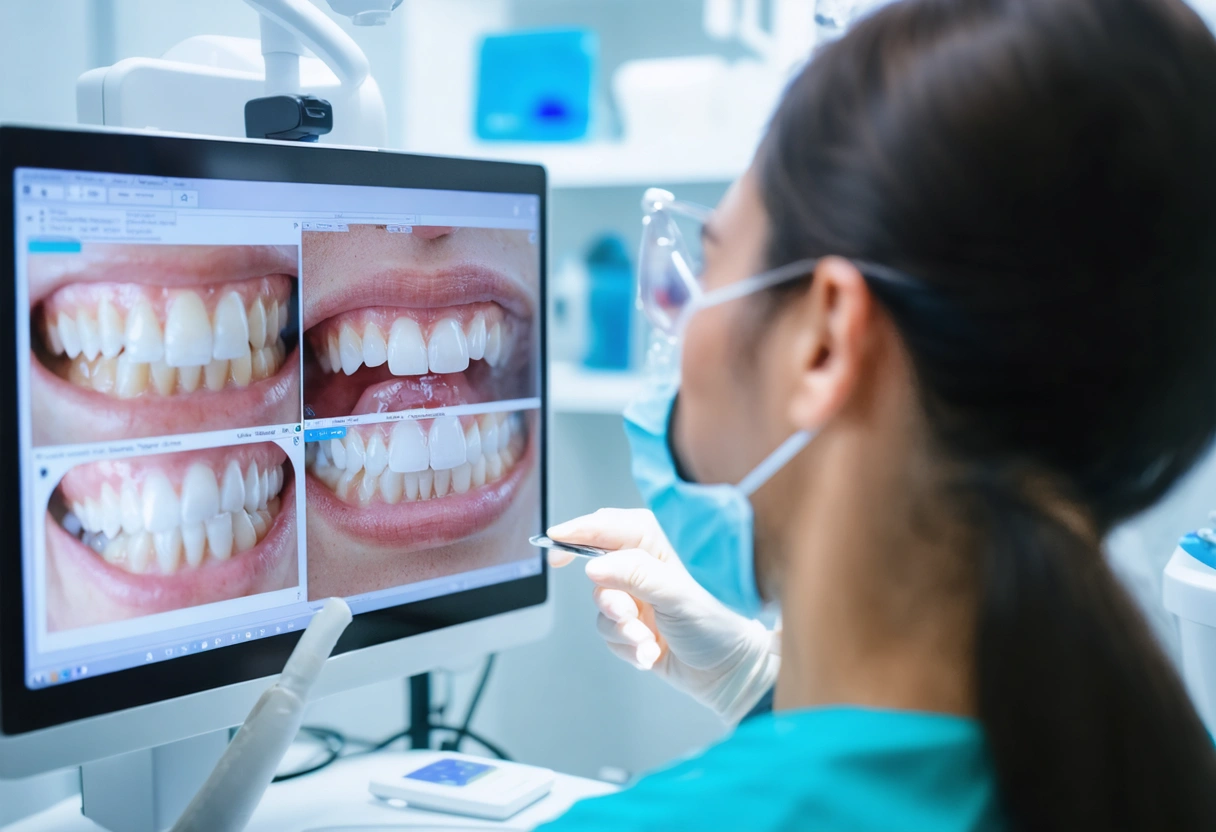
The integration of digital dentistry into crown fabrication and placement is transforming patient experiences. Digital workflows streamline the entire process, from diagnosis to the final restoration, reducing chair time and enhancing comfort. The use of digital impressions, for instance, minimizes the discomfort associated with traditional impression materials and techniques.
Moreover, digital dentistry facilitates better communication between the dentist and the dental laboratory. By sharing digital files, dental technicians can craft crowns with precision, ensuring a perfect fit and optimal aesthetics. This level of accuracy reduces the likelihood of errors and enhances the overall quality of the restoration.
Patients also benefit from the increased predictability and efficiency of digital workflows. With the ability to visualize the final outcome through digital simulations, patients can make informed decisions about their treatment options. This transparency fosters trust and collaboration between patients and dental professionals, ultimately leading to better treatment outcomes.
Future Trends in Dental Crowns
Looking ahead, the future of dental crowns is poised for even more exciting developments. Researchers are exploring the potential of nanotechnology to enhance the properties of dental materials, making them more resistant to wear and fracture. Additionally, the incorporation of smart materials that can respond to changes in the oral environment is being investigated, promising further improvements in the functionality and longevity of crowns.
Furthermore, as the demand for sustainable dental practices grows, there is a focus on developing eco-friendly materials and processes. This includes exploring biodegradable options for temporary crowns and reducing waste in the fabrication process.
Ultimately, the advancements in dental crown technology and materials are aimed at providing patients with restorations that not only meet their functional needs but also enhance their overall oral health and well-being. By staying informed about these innovations, both patients and dental professionals can make the most of the opportunities available in modern restorative dentistry.
Need help with Unveiling the Art and Science of Dental Crowns: A Comprehensive Guide?