
Missing teeth can affect far more than the appearance of a smile. An open space may change how you chew and speak, allow nearby teeth to shift, and make social situations feel less comfortable.
Dental bridges and dental implants are two established solutions, but they restore a smile in different ways. Understanding how each option works can help patients discuss longevity, appearance, comfort, oral health, and treatment requirements with their dentist.
Why Replacing a Missing Tooth Matters
Every tooth contributes to the balance of the bite. When a tooth is lost, neighboring teeth may gradually tilt or drift into the empty space, while the opposing tooth can move farther out of its socket.
Tooth loss can also affect the jawbone. Natural tooth roots stimulate the surrounding bone during chewing. After a tooth is removed, that stimulation disappears, and the bone in the area may slowly lose volume.
Function and appearance are closely connected
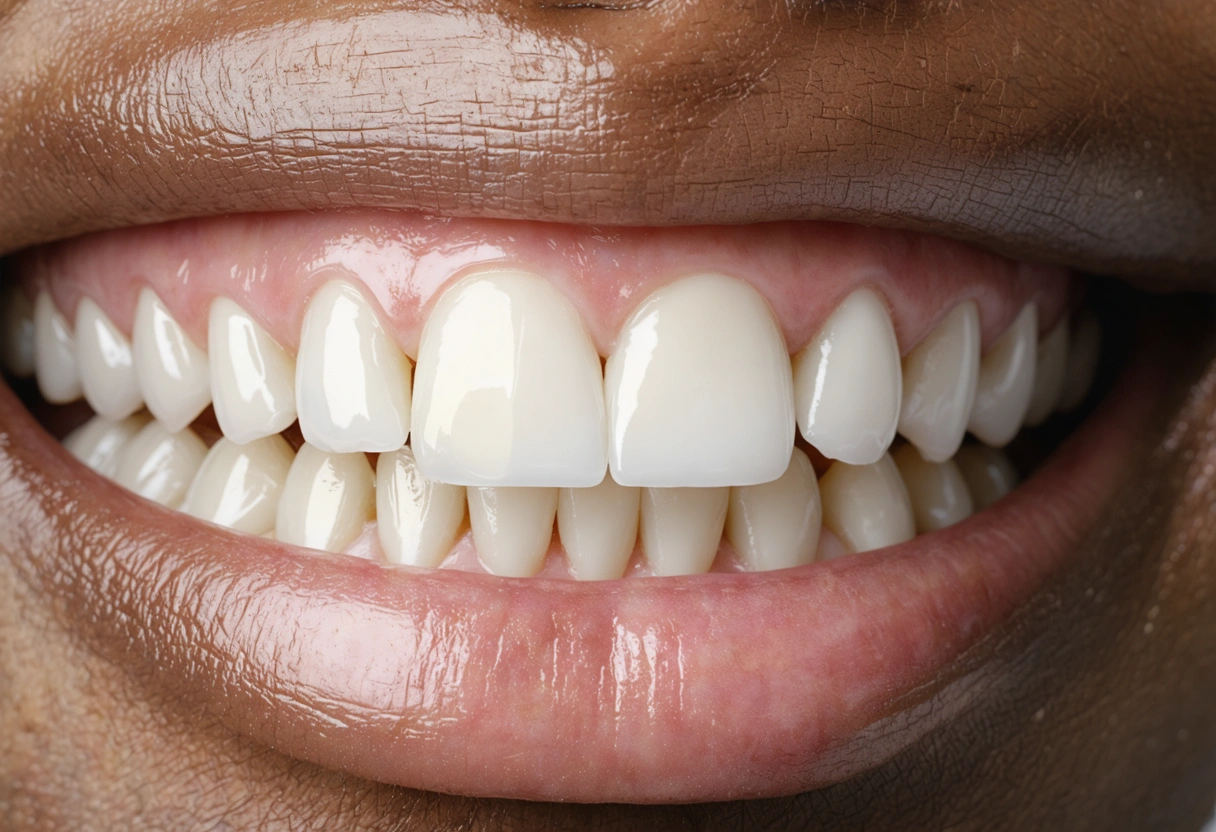
Natural looking results depend on careful planning as well as the restorative material. Porcelain and modern dental ceramics can reflect light in ways that resemble enamel, but the final appearance also depends on the position of the restoration, the health of the gums, and the skill used to shape and shade it.
How Dental Bridges and Implants Replace Teeth
A dental bridge replaces one or more missing teeth with an artificial tooth, called a pontic, that is supported by neighboring teeth or implants. A traditional bridge usually requires the teeth on both sides of the gap to be reshaped and covered with crowns.
A dental implant replaces the root portion of a missing tooth. The implant fixture is placed in the jawbone and allowed to integrate with the surrounding bone.
Key structural differences
A tooth supported bridge relies on adjacent teeth for stability. This can be practical when those teeth already have large fillings, significant wear, or damage that makes crowns beneficial.
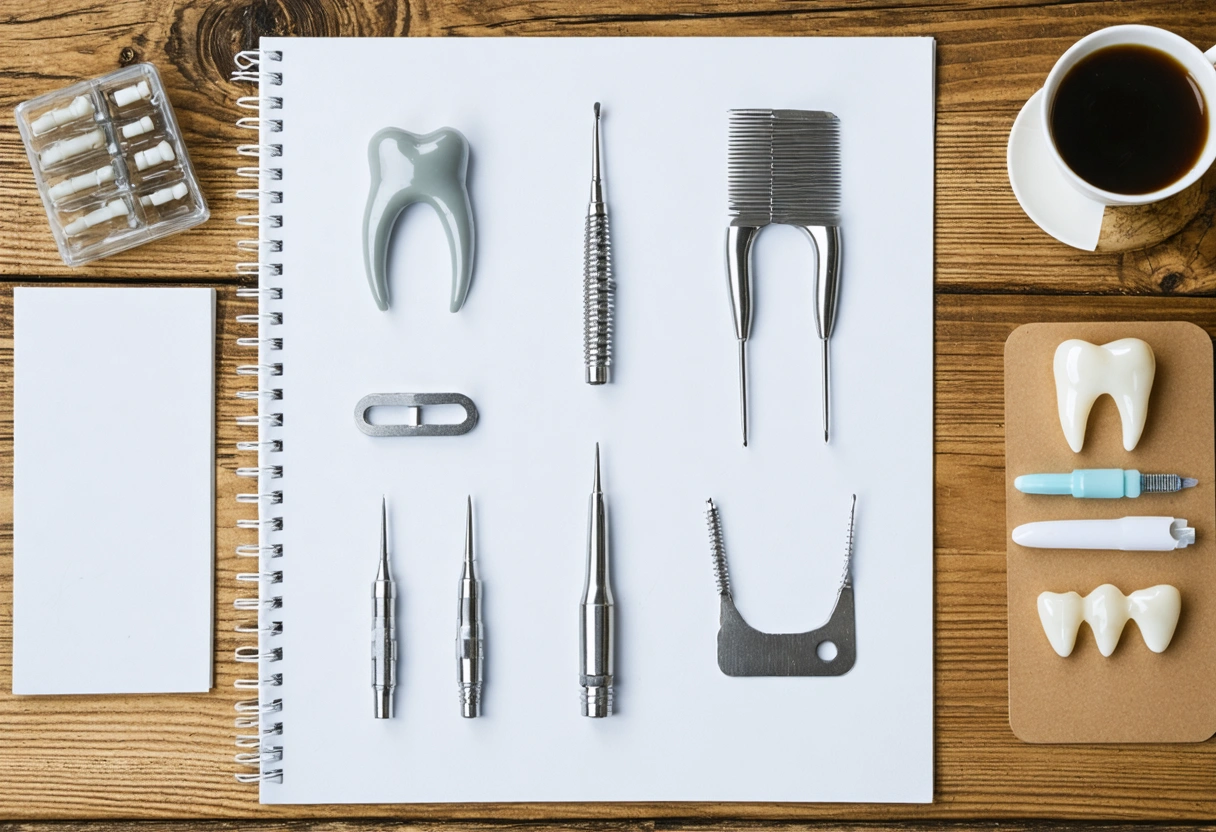
A single dental implant generally does not require reshaping the teeth beside the gap. It can also provide stimulation to the bone around the implant site.
Choosing Between a Bridge and an Implant
The most appropriate restoration depends on more than the number of missing teeth. Dentists evaluate the condition of the neighboring teeth, bone volume, gum health, bite forces, medical history, treatment timeline, budget, and the location of the gap.
When a dental bridge may be appropriate
A bridge may be a practical choice when the teeth next to the space already need crowns or have restorations that are unlikely to support the bite for much longer.
When an implant may be appropriate
An implant may be especially useful when the neighboring teeth are healthy and would not otherwise need crowns. Replacing a single tooth with an implant allows those teeth to remain largely untouched while creating an independently supported restoration.
When neither option is immediately ready
Active gum disease, untreated decay, unstable supporting teeth, and certain bite problems should usually be addressed before a final restoration is placed. If a tooth was recently removed, the area may also need time to heal before the gum contours are finalized.
Some implant sites require bone grafting because the ridge is too narrow or shallow to support an implant in the desired position. In other cases, a temporary tooth replacement can preserve appearance and function while the tissues heal or other dental treatment is completed.
Planning for a Natural-Looking Result
A realistic replacement begins with accurate records. The dentist may use digital scans, impressions, photographs, X-rays, and three dimensional imaging to study the available space, bone anatomy, gum levels, tooth proportions, and bite.

Matching color and translucency
Natural teeth are not one uniform shade. They often have subtle variations from the gumline to the biting edge, along with differences in translucency and surface texture.
Creating believable contours
The shape of the replacement affects both appearance and cleanability. A front tooth that is too wide, too long, or overly rounded may stand out even when the color is accurate.
For a bridge, the pontic can be shaped to meet the gum in a way that creates the appearance of a tooth emerging naturally from the tissue.
Managing the gumline
Healthy, stable gum tissue is essential to an attractive result. Inflammation can cause redness, swelling, bleeding, or changes in the gum margin. Gum recession may expose a crown edge, an implant abutment, or part of the implant surface.
In highly visible areas, the thickness of the gum and the height of the bone can influence whether an implant crown looks symmetrical with the matching natural tooth.
What to Expect During Treatment
The dental bridge process
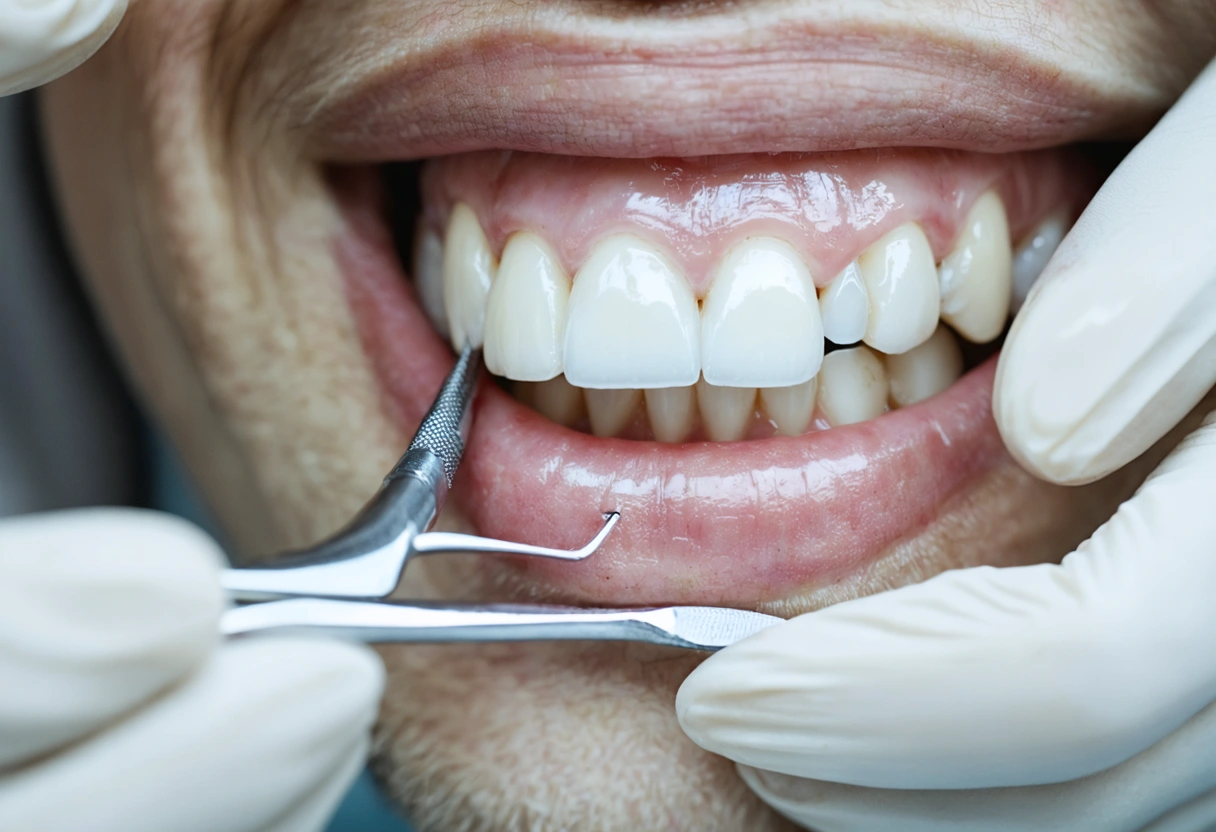
For a traditional tooth supported bridge, the dentist first examines the supporting teeth and treats any decay, infection, or gum problems. The teeth are then shaped to create room for the bridge retainers.
A temporary bridge may be worn while the dental laboratory creates the final restoration. The temporary protects the prepared teeth, maintains appearance, and allows the dentist to evaluate comfort and general tooth shape.
At the delivery appointment, the dentist checks the bridge for fit, color, contacts, and bite. Adjustments may be made before it is bonded or cemented.
The dental implant process
Implant treatment begins with an evaluation of the bone, gums, medical history, and available space. Three dimensional imaging may be used to identify important structures and determine an appropriate implant position.
During placement, the implant fixture is positioned in the jawbone. Depending on the site and initial stability, a healing cap or temporary restoration may be placed.
After integration, the dentist records the implant position and surrounding tissue for the final crown. The finished crown is attached to an abutment with a screw or dental cement.
Temporary teeth during healing
An immediate temporary implant crown may be possible in selected cases, but immediate appearance does not mean the implant is fully integrated. Patients must follow eating and cleaning instructions closely while the bone heals around the fixture.
Comfort, Function, and Adaptation
Both bridges and implant restorations are fixed in place and can feel more secure than removable tooth replacements. After an adjustment period, many patients chew and speak comfortably without being highly aware of the restoration.
A bridge may feel slightly different because the replacement teeth are connected and the area underneath requires a specialized cleaning method. An implant crown resembles an individual tooth in many respects, although it does not have the same periodontal ligament and sensation as a natural tooth.
Cleaning Bridges and Implants
Daily plaque removal is essential for protecting the gums, supporting teeth, and bone around either restoration. Although ceramic crowns cannot develop decay, the natural teeth supporting a bridge remain vulnerable, and tissues around implants can become inflamed.

Cleaning beneath a bridge
Because the replacement tooth is connected to the crowns beside it, ordinary floss cannot pass directly between the units. Floss threaders, super floss, interdental brushes, or a water flosser can help clean beneath the pontic and along the supporting teeth.
Caring for an implant
An implant crown should be brushed thoroughly and cleaned between adjacent teeth every day. Floss or interdental brushes may be recommended depending on the restoration’s contours.
Smoking, poorly controlled diabetes, inconsistent plaque removal, and a history of periodontal disease can increase the risk of tissue and bone problems around implants. These factors do not always prevent treatment, but they may affect planning, healing, and maintenance needs.
Longevity and Possible Complications
Neither bridges nor implants should be considered permanent without qualification. Their lifespan varies with oral hygiene, bite forces, material selection, health conditions, habits, and the quality of ongoing dental care.
Potential bridge concerns
A bridge may require repair or replacement if decay develops around a supporting crown, cement washes out, porcelain chips, or a supporting tooth fractures. Gum recession can also expose crown margins and affect appearance.
Potential implant concerns
Implants cannot develop cavities, but plaque related inflammation can damage the gum and bone around them. Other complications may include failure to integrate, recession, crown fracture, screw loosening, or wear of restorative components.
Prompt evaluation is important if a restoration feels loose, the bite changes, the gums bleed repeatedly, swelling develops, or discomfort persists. Early treatment may prevent a minor issue from threatening the full restoration.
Comparing Cost and Long Term Value
The initial cost of an implant is often higher than that of a conventional bridge, particularly when bone grafting or additional surgery is required. Implant treatment may also involve more appointments and a longer overall timeline.
A bridge may have a lower initial fee and faster completion, but future costs can arise if a supporting tooth needs treatment or the connected restoration must be replaced.
Dental insurance coverage varies considerably. A written treatment plan can clarify which procedures are included, what alternatives are available, and which fees may not be covered.
Questions to Discuss With the Dentist
Patients can ask why a particular option is recommended, whether the neighboring teeth would benefit from crowns, and whether enough bone and gum tissue are present for an implant.
For a visible tooth, patients may want to ask how shade, gum symmetry, and restoration contours will be managed. Reviewing photographs, digital designs, or a provisional restoration can help establish realistic expectations before the final restoration is made.
Restoring a Complete, Confident Smile
Dental bridges and implants can both provide attractive, stable replacements for missing teeth when selected and maintained appropriately. A bridge may offer efficient treatment and make good use of teeth that already need crowns, while an implant can replace a tooth without preparing healthy neighbors and may help preserve bone at the site.
The best choice is based on individual anatomy, oral health, medical considerations, appearance goals, treatment preferences, and budget. Careful planning, natural contours, precise shade matching, and consistent maintenance allow either approach to restore function while blending comfortably with the smile.
Need help with Natural-Looking Dental Bridges and Implants: Restoring Missing Teeth With Confidence?