Dental Bonding vs. Veneers: Which Restorative Treatment Is Right for You?
When it comes to improving your smile, dental bonding and veneers are two popular options that can make a significant difference. Both treatments offer aesthetic and restorative benefits, but they serve different purposes and have unique advantages. At Soleil Dental Studio, our experts often encounter patients who are unsure which treatment to choose. This comprehensive guide will help you understand the differences between dental bonding and veneers, enabling you to make an informed decision.
What is Dental Bonding?
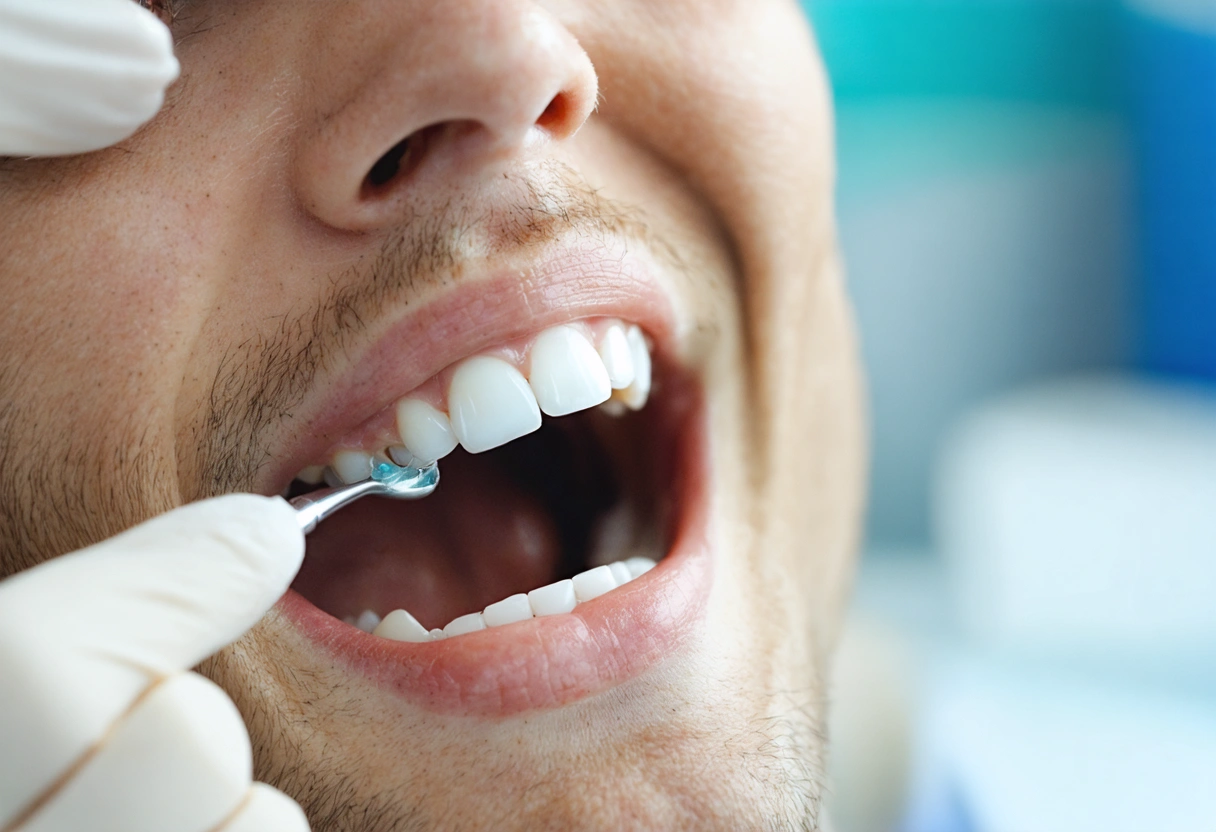
Dental bonding is a cosmetic procedure that involves applying a tooth-colored resin material to your teeth. This material is carefully sculpted and hardened with a special light to adhere to the tooth surface, effectively repairing and enhancing its appearance. Bonding is typically used to fix minor imperfections such as chips, cracks, discoloration, and gaps between teeth.
The process of dental bonding is relatively straightforward and quick, usually completed in a single visit to the dentist. It is a non-invasive procedure, meaning it does not require significant removal of tooth enamel. This makes bonding an appealing option for patients looking for a minimally invasive solution to improve their smiles.
Advantages of Dental Bonding
One of the main advantages of dental bonding is its cost-effectiveness. Compared to veneers, bonding is generally more affordable, making it accessible for those on a budget. Additionally, because bonding is less invasive, it preserves more of your natural tooth structure, which is beneficial for long-term dental health.

Another benefit of dental bonding is its versatility. It can be used to address a variety of cosmetic concerns, from covering stains to reshaping teeth. The procedure can be completed quickly, often in less than an hour, and the results are immediate. This makes dental bonding an attractive option for those seeking a quick and effective cosmetic enhancement.
What Are Veneers?
Veneers are thin, custom-made shells crafted from porcelain or composite resin that are bonded to the front surface of teeth. They are designed to mimic the natural appearance of teeth, providing a durable and aesthetically pleasing result. Veneers are often used to address more significant cosmetic issues, such as severe discoloration, misalignment, or extensive damage.
The process of getting veneers is more involved than dental bonding. It typically requires multiple visits to the dentist, as the veneers must be custom fabricated in a dental laboratory. During the initial consultation, a small amount of enamel is removed from the teeth to accommodate the thickness of the veneers, ensuring a seamless fit.
Advantages of Veneers
Veneers offer several advantages, particularly in terms of aesthetics and durability. Porcelain veneers, in particular, are highly resistant to staining and mimic the light-reflecting properties of natural teeth. This makes them an excellent choice for individuals seeking a long-lasting, brilliant smile.
Another advantage of veneers is their ability to correct a wide range of cosmetic issues. They can effectively mask discoloration, close gaps, and improve the appearance of misaligned or irregularly shaped teeth. The custom fabrication process ensures a precise fit and natural appearance, providing a transformative effect on your smile.
Comparing Dental Bonding and Veneers
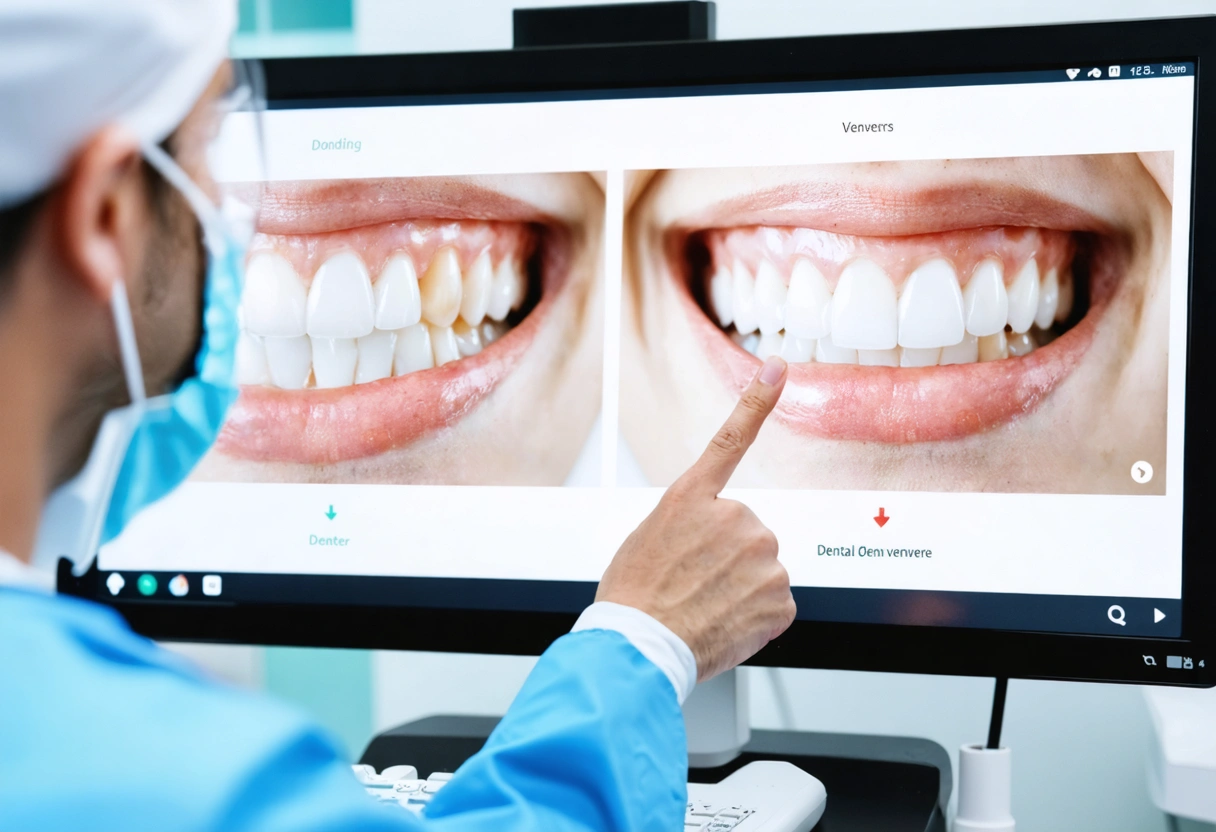
When deciding between dental bonding and veneers, it’s essential to consider the specific issues you wish to address, as well as your budget and long-term goals. Dental bonding is ideal for minor cosmetic issues and is a more affordable option. However, it may not provide the same level of durability or aesthetic appeal as veneers.
Veneers, on the other hand, offer superior aesthetics and longevity but come at a higher cost. They are better suited for addressing more significant cosmetic concerns and can provide a more dramatic transformation. It’s important to discuss your options with a qualified dental professional to determine which treatment aligns best with your needs.
Maintenance and Longevity
Both dental bonding and veneers require proper care to maintain their appearance and functionality. With dental bonding, the material is susceptible to staining over time, so it’s crucial to practice good oral hygiene and avoid consuming staining substances like coffee or tobacco.
Veneers are more resistant to staining, but they still require diligent oral care to prevent gum disease and other issues that can affect their longevity. Regular dental check-ups and cleanings are essential for both treatments to ensure they remain in optimal condition.
Making the Right Choice
Choosing between dental bonding and veneers ultimately depends on your specific dental needs and aesthetic goals. Consider factors such as the extent of the cosmetic issue, your budget, and your willingness to undergo a more extensive procedure. At Soleil Dental Studio, our experts are committed to helping you achieve a healthy, beautiful smile. We recommend scheduling a consultation to discuss your options and receive personalized advice from our experienced team.
Whether you opt for dental bonding or veneers, both treatments can significantly enhance your smile and boost your confidence. With the right care and maintenance, you can enjoy the benefits of a radiant smile for years to come. For more in-depth information about dental bonding procedures and veneers, consult trusted sources and discuss your options with your dentist.
Cost Considerations
Cost is often a critical factor for patients when choosing between dental bonding and veneers. Generally, dental bonding is more economical, making it an attractive option for individuals seeking a budget-friendly solution. On average, bonding can cost anywhere from $100 to $400 per tooth, depending on the extent of the treatment and geographic location. This affordability allows for multiple teeth to be treated simultaneously without a significant financial burden.
In contrast, veneers are more expensive due to the materials used and the labor-intensive process of custom fabrication. The cost of veneers can range from $800 to $2,500 per tooth. However, it’s essential to consider the long-term value when evaluating the cost of veneers. Their durability and superior aesthetic results often justify the higher investment, especially for patients seeking a comprehensive smile makeover.
Procedure Time and Recovery
The time required for each procedure is another important consideration. Dental bonding is typically completed in a single office visit, with the entire process taking about 30 to 60 minutes per tooth. This quick turnaround is ideal for individuals with busy schedules or those who desire immediate results.
On the other hand, the veneer process is more involved and usually requires two to three visits. During the first appointment, your dentist will prepare your teeth and take impressions. Temporary veneers may be placed while awaiting the permanent ones to be crafted in the lab. This process typically takes one to two weeks. Once the custom veneers are ready, a final appointment is scheduled for their placement. Despite the longer timeline, many patients find the results well worth the wait.
Durability and Longevity
Durability is a crucial factor, especially for those seeking a long-lasting dental solution. Dental bonding typically lasts between 3 to 10 years, depending on the location of the bonding, the patient’s oral habits, and their level of oral hygiene. While bonding is durable, it is more prone to chipping and staining compared to veneers.
Veneers offer greater longevity, often lasting 10 to 15 years or more with proper care. Porcelain veneers are particularly resilient and resistant to stains, which helps maintain their aesthetic appeal over time. Although veneers are a more significant initial investment, their long lifespan often makes them a cost-effective choice in the long run.
Suitability and Limitations
Both dental bonding and veneers have specific suitability and limitations that should be considered. Dental bonding is best suited for individuals with minor cosmetic concerns, such as small chips, slight discoloration, or minimal gaps. It is not recommended for correcting major alignment issues or for patients who have a habit of grinding their teeth, as it is less durable than veneers.
Veneers are more versatile and can address a broader range of dental issues, including severe discoloration, significant gaps, and misalignment. However, because a portion of the natural tooth enamel must be removed, veneers are a permanent solution. Patients should be sure they are committed to this option, as the process is not reversible.
Patient Experience and Comfort

Patient comfort and experience are paramount when undergoing any dental procedure. Dental bonding is generally well-tolerated, with most patients experiencing minimal discomfort. The non-invasive nature of the procedure means there is little to no recovery time, allowing patients to resume their normal activities immediately.
While the veneer process is more extensive, dentists take measures to ensure patient comfort throughout. Local anesthesia is used during the preparation phase to minimize discomfort. Some patients may experience mild sensitivity to hot and cold temperatures following the procedure, but this typically subsides within a few days.
Final Thoughts on Choosing Between Dental Bonding and Veneers
The decision between dental bonding and veneers is highly personal and depends on various factors, including cosmetic goals, budget, and preference for a temporary or permanent solution. At Soleil Dental Studio, our experts emphasize the importance of a personalized consultation to assess your unique dental needs and determine the most appropriate treatment.
It’s also essential to consider your lifestyle and commitment to maintaining oral health. Both treatments require excellent oral hygiene practices and regular dental visits to ensure longevity and aesthetics. Understanding the pros and cons of each option can help you make an informed choice that aligns with your expectations and lifestyle.
Ultimately, whether you choose dental bonding or veneers, both treatments offer the opportunity to enhance your smile and boost your self-confidence. With the guidance of experienced dental professionals, you can achieve a beautiful smile that reflects your personality and leaves a lasting impression. For more information on the differences between dental bonding and veneers, and to explore your options further, schedule a consultation with your trusted dentist today.
By understanding the nuances of each treatment, you can embark on a path toward achieving the smile of your dreams. Remember, a confident smile can transform your life in wonderful ways.
Need help with Dental Bonding vs. Veneers: Which Restorative Treatment Is Right for You? A Detailed Comparison by Soleil Dental Studio’s Experts.?