Bridging the Gap: The Aesthetic and Functional Advantages of Dental Bridges
For many, the loss of a tooth can be a traumatic experience, affecting both self-esteem and overall oral health. Fortunately, the field of restorative dentistry offers numerous solutions to address missing teeth, with dental bridges being one of the most popular options. Dental bridges are prosthetic devices that “bridge” the gap created by one or more missing teeth, enhancing both the aesthetic appeal and functionality of one’s mouth. In this post, we will delve into the various types of dental bridges, their advantages, the procedure involved, and how they compare to other dental restoration options.
Understanding Dental Bridges
Dental bridges are fixed dental restorations used to replace one or more missing teeth by joining an artificial tooth definitively to adjacent teeth or dental implants. They are an effective solution for restoring the natural look and feel of your teeth, improving your ability to chew and speak, and maintaining the shape of your face.
The typical structure of a dental bridge consists of two crowns placed on the teeth on either side of the gap, which are known as abutment teeth, and a false tooth or teeth in between. These false teeth, known as pontics, can be made from a variety of materials, including gold, alloys, porcelain, or a combination of these materials. For more detailed information on the materials used in dental restorations, visit this resource on dental materials.
Types of Dental Bridges
There are several types of dental bridges, each designed to address specific dental needs and conditions. Understanding these differences can help you choose the most suitable option for your situation.
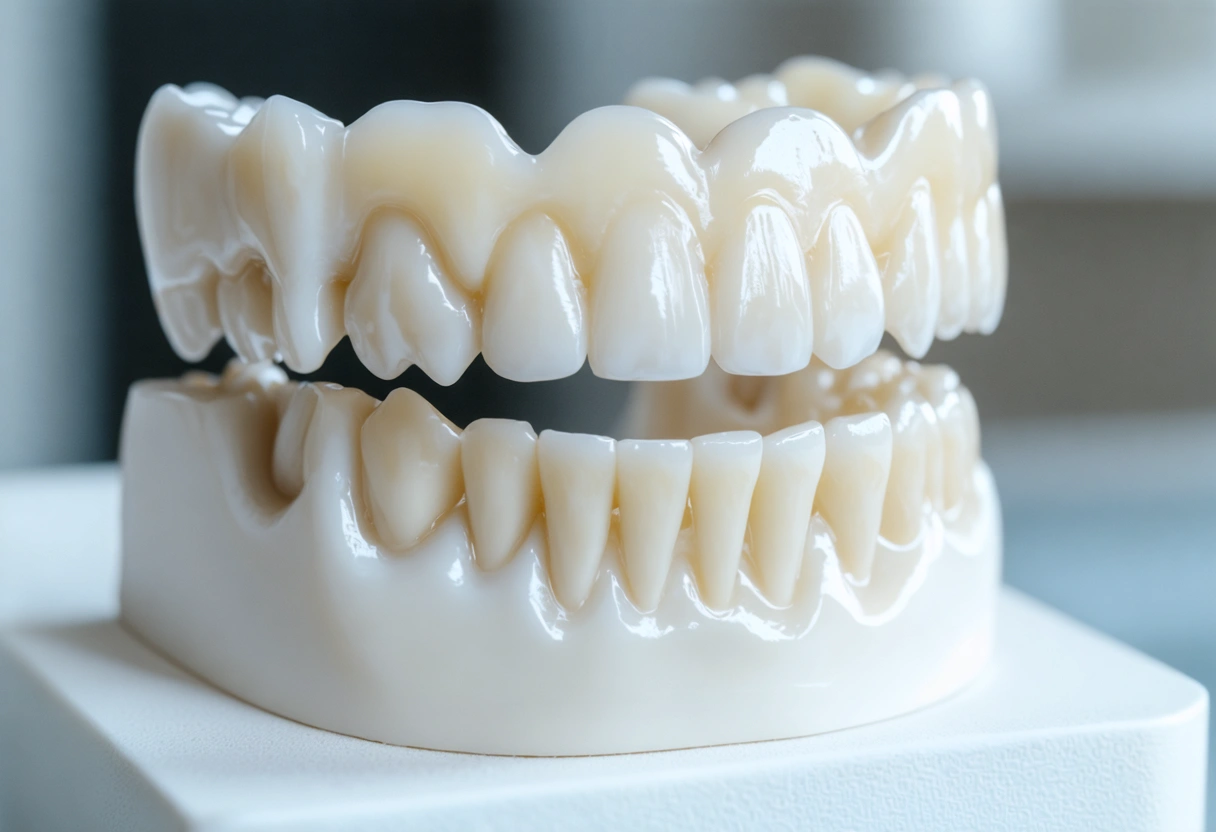
- Traditional Bridges: These are the most common type of dental bridge and involve creating a crown for the tooth or implant on either side of the missing tooth, with a pontic in between. Traditional bridges are typically made of porcelain fused to metal or ceramics.
- Cantilever Bridges: Used when there are adjacent teeth on only one side of the missing tooth or teeth. This type of bridge is not recommended for the back of the mouth where it can place too much force on other teeth and damage them.
- Maryland Bonded Bridges: Also known as a resin-bonded bridge, this type uses a metal or porcelain framework bonded onto the back of the adjacent teeth with resin, making it less invasive than traditional or cantilever bridges.
- Implant-Supported Bridges: As the name suggests, these bridges are supported by dental implants rather than crowns or frameworks. They are typically used when multiple teeth are missing, providing a stable and permanent solution.
Procedure and Maintenance
The process of getting a dental bridge generally requires two or more visits to your dentist. During the first visit, the abutment teeth are prepared by removing a portion of enamel to make room for a crown. Impressions of the teeth are then made, which serve as a model from which the bridge, pontic, and crowns will be made. Your dentist will provide a temporary bridge to protect the exposed teeth and gums while your bridge is being made.
On your second visit, your temporary bridge will be removed and the new bridge will be checked and adjusted for proper fit. Depending on the type of bridge, multiple visits may be required to ensure the metal framework fits properly before the permanent bridge is cemented into place. For a comprehensive overview of the dental bridge procedure, check this detailed guide on dental bridges.
Proper oral hygiene is critical for the longevity of your dental bridge. Brushing twice a day, flossing daily, and using an antiseptic mouthwash will help prevent tooth decay and gum disease that can lead to tooth loss. Regular dental check-ups are also essential to maintain the health and functionality of your bridge.
Aesthetic and Functional Benefits

Dental bridges offer numerous aesthetic and functional benefits. They restore your smile and the natural contour of your face, preventing the remaining teeth from shifting out of position, which can lead to bite issues and other complications. Moreover, dental bridges help distribute the forces in your bite properly by replacing missing teeth, improving your ability to chew and speak.
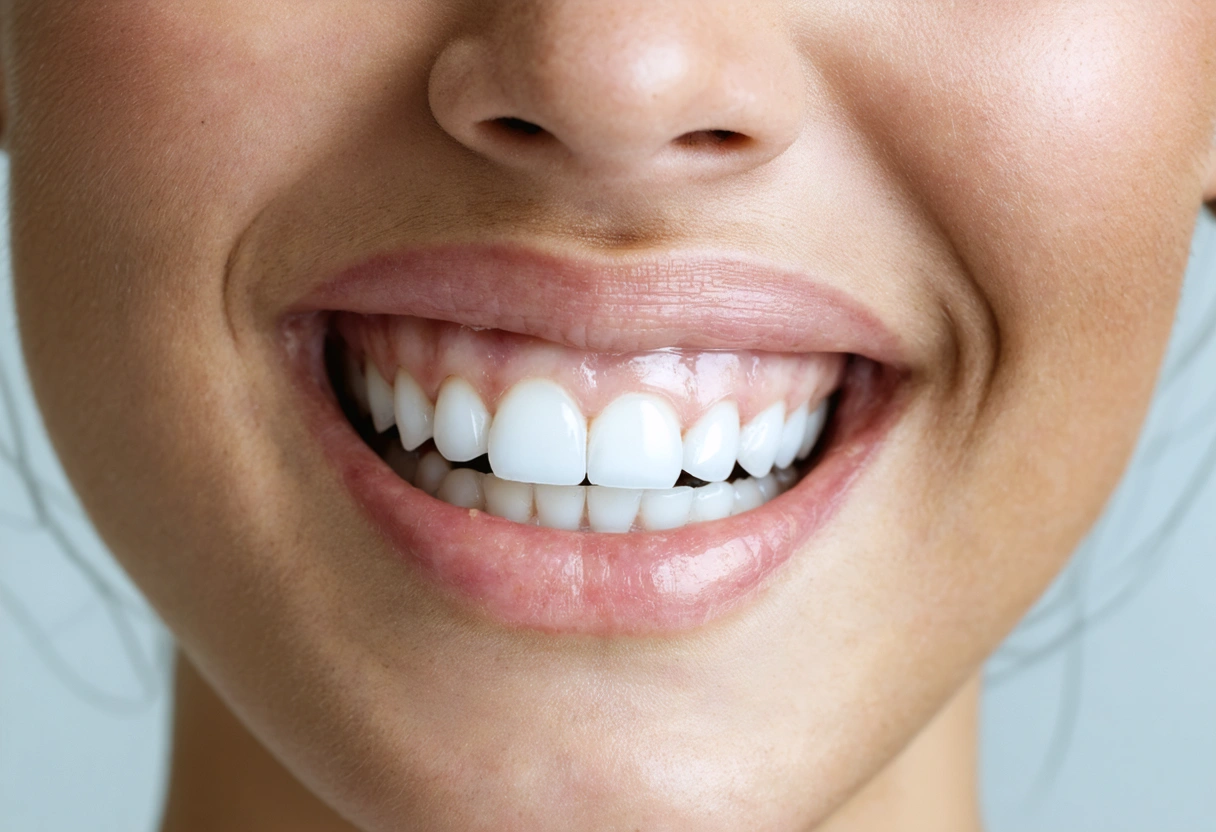
From an aesthetic standpoint, modern dental bridges can be made from materials that closely mimic the appearance of your natural teeth, providing a seamless look. Porcelain and ceramic bridges are particularly popular for their ability to replicate the translucency and color of natural teeth. For more insights into the aesthetic aspects of dental restorations, explore this academic paper on dental aesthetics.
Comparison with Other Dental Restoration Options
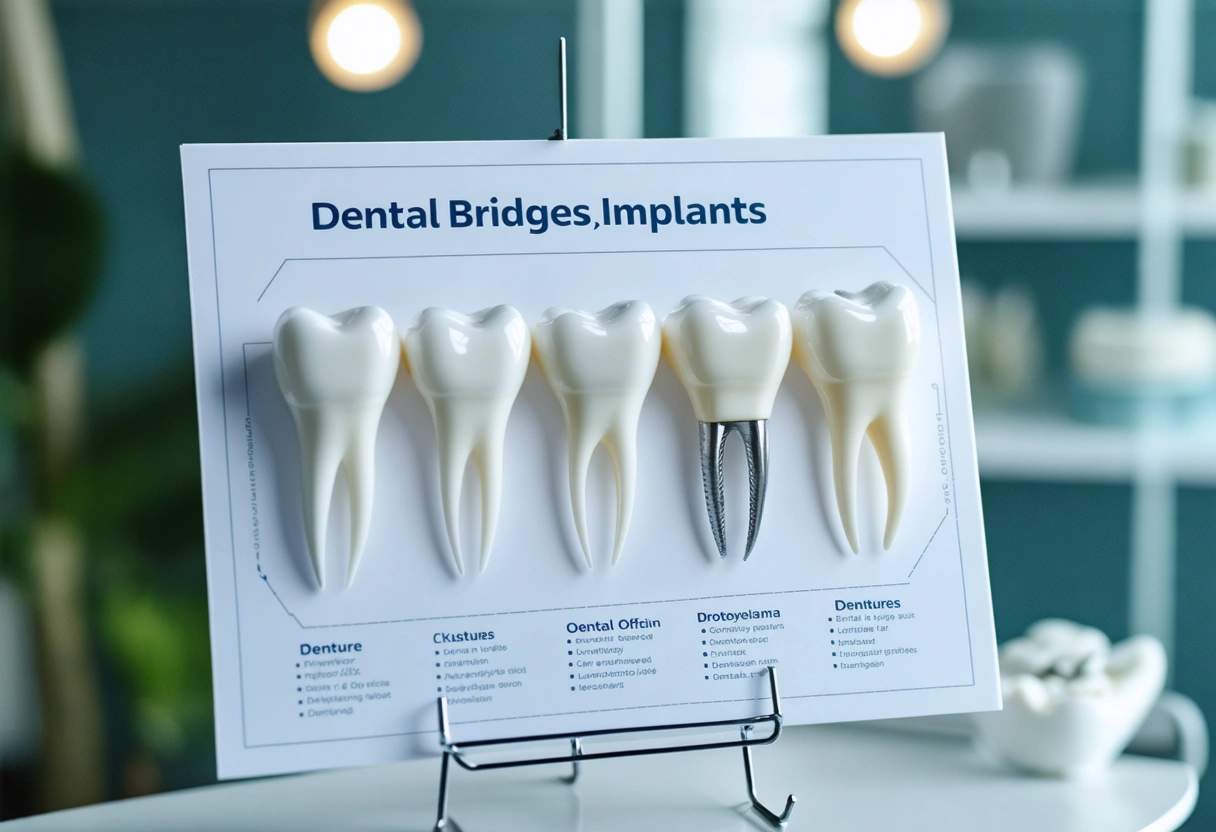
While dental bridges are a popular choice for replacing missing teeth, they are not the only option available. Dental implants and dentures are also commonly used, each with its own set of advantages and disadvantages.
Dental implants are considered the gold standard for tooth replacement due to their durability and the fact that they do not affect adjacent teeth. They involve a surgical procedure to place a titanium post into the jawbone, which acts as a root for the crown. Implants can last a lifetime with proper care, but they are generally more expensive and require a longer treatment time compared to bridges.
Dentures, on the other hand, are removable appliances that can replace a few missing teeth (partial dentures) or an entire arch (complete dentures). While less expensive, dentures may not offer the same level of comfort and functionality as fixed bridges or implants and often require more maintenance. For an in-depth comparison of dental restoration options, visit this informative article on dental implants.
The Cost Factor
The cost of dental bridges can vary widely based on factors such as the type of bridge, the materials used, the complexity of the placement, and geographical location. In general, traditional and cantilever bridges tend to be more affordable than implant-supported bridges. However, investing in a high-quality dental restoration can save money in the long run by preventing other oral health issues.
Many dental insurance plans cover a portion of the cost of bridges, but it is essential to check with your provider to understand the extent of your coverage. Some dental practices offer payment plans to make the cost more manageable. For more information on the cost considerations of dental treatments, you can refer to this comprehensive guide on dental costs.
Takeaways
Dental bridges play a crucial role in restorative dentistry by offering a reliable solution for missing teeth that enhances both the functionality and appearance of your smile. With various types available, dental bridges can be tailored to suit individual needs, providing long-lasting benefits when maintained with good oral hygiene and regular dental visits.
As with any dental treatment, it is essential to discuss your options with a qualified dental professional to determine the best approach for your unique situation. By understanding the procedures, benefits, and costs associated with dental bridges, you can make an informed decision that will contribute to your oral health and overall well-being.
Whether you’re looking to restore your smile or improve your oral health, dental bridges offer a viable solution that can bridge the gap effectively and aesthetically.
As you consider dental bridges as a solution for missing teeth, it is important to weigh the pros and cons while consulting with a dental professional. This ensures you receive a treatment plan tailored to your oral health needs and lifestyle preferences. The journey toward restoring your smile is not only about aesthetics but also about maintaining optimal oral function.

Long-Term Care and Maintenance
Once your dental bridge is securely in place, maintaining it becomes a vital part of your daily routine. Proper care not only extends the life of the bridge but also prevents potential complications such as decay or gum disease. This begins with routine oral hygiene practices. Brushing at least twice daily with fluoride toothpaste and flossing can help remove plaque buildup around the bridge. Additionally, using a specialized floss threader or water flosser can help clean under the pontics and around the abutment teeth.
Regular visits to your dentist are crucial for professional cleanings and examinations. During these visits, your dentist can check the condition of your bridge and the health of the surrounding teeth and gums, ensuring everything remains in good condition. If any issues arise, such as loosening or discomfort, addressing them promptly is essential to avoid further complications.
Diet and Lifestyle Considerations
While dental bridges are designed to withstand the pressures of daily eating and speaking, certain dietary and lifestyle choices can impact their longevity. It is advisable to avoid excessively hard or sticky foods that could potentially damage the bridge. Foods such as hard candies, nuts, and chewy candies can be problematic and should be consumed with caution.
For those who grind their teeth at night, known as bruxism, wearing a night guard can protect the dental bridge from undue stress and wear. Additionally, habits such as chewing on ice or using your teeth as tools should be avoided to prevent damage to the bridge.

The Psychological Benefits of Dental Bridges
Beyond the physical and functional benefits, dental bridges can have a significant positive impact on a person’s mental and emotional well-being. Missing teeth can lead to self-consciousness and hesitation to smile, speak, or engage socially. A restored smile with dental bridges can boost confidence, encouraging individuals to participate more fully in social and professional activities.
The psychological improvement can also extend to one’s overall quality of life. Feeling confident about your smile can lead to greater satisfaction in personal interactions and a more positive outlook on life. For those interested in the psychological aspects of dental restorations, this study on dental aesthetics and psychology offers valuable insights.
Final Thoughts
In summary, dental bridges represent a sophisticated solution in restorative dentistry, addressing both aesthetic desires and functional needs. They help restore smiles, confidence, and oral health, making them a worthwhile investment for many individuals suffering from tooth loss. By understanding the process, benefits, and care involved, patients can make informed decisions that align with their health goals and lifestyle.
Remember, the first step toward achieving a complete and healthy smile is consulting with a trusted dental professional who can guide you through the options and help tailor a plan that suits your specific needs. By bridging the gap effectively, dental bridges offer not only a restored smile but also a renewed sense of self.
Need help with Bridging the Gap: The Aesthetic and Functional Advantages of Dental Bridges?