
Introduction
Oral health is a crucial component of overall well-being, yet it often takes a backseat to other health concerns. Protecting your family’s smile is about more than just maintaining a bright, white appearance. It’s about fostering healthy habits that ensure strong teeth and gums at every age. From infancy to adulthood, each stage of life presents unique challenges and opportunities when it comes to oral care. In this comprehensive guide, we’ll explore essential tips and strategies for maintaining optimal oral health for every family member.
Oral Health in Infancy: Laying the Foundation
Oral health care begins even before the first tooth appears. Parents can start by gently cleaning their baby’s gums with a soft, damp cloth after feedings. This practice helps remove bacteria and establishes a routine of oral hygiene that will continue as teeth emerge. It’s important to remember that baby teeth are just as susceptible to decay as adult teeth, and they play a vital role in a child’s development, including speech and jaw growth.
Once the first tooth appears, parents should begin brushing it with a small, soft-bristled toothbrush and a smear of fluoride toothpaste. Regular check-ups with a pediatric dentist can help ensure that teeth are developing properly and that any potential issues are addressed early on. Additionally, parents should be aware of the risks of bottle tooth decay, which can occur when babies are put to bed with bottles filled with milk or juice. Instead, offer water in bedtime bottles.
Children’s Oral Health: Building Good Habits
As children grow, teaching them good oral hygiene habits becomes essential. Encourage children to brush their teeth twice a day with fluoride toothpaste, and supervise their brushing until they are capable of doing it effectively on their own. Flossing should also be introduced as soon as two teeth touch each other, which usually happens around the age of two to three.

Diet plays a significant role in oral health, and it’s important to limit sugary snacks and drinks, which can lead to cavities. Encourage healthy snacks like fruits, vegetables, and cheese, which are not only nutritious but also help clean teeth naturally. Regular dental visits, at least twice a year, are crucial for professional cleanings and early detection of any issues.
Adolescents and Teens: Navigating Orthodontics and New Challenges
The teenage years often bring new oral health challenges, including orthodontics and wisdom teeth. Many teens are fitted with braces or other orthodontic devices to correct alignment and bite issues. It’s essential for teens with braces to maintain excellent oral hygiene, as food particles can easily become trapped, leading to plaque buildup and cavities. Special orthodontic toothbrushes and floss threaders can aid in cleaning around brackets and wires effectively.
Another consideration for teenagers is the emergence of wisdom teeth, which can cause crowding and other dental problems. Regular dental check-ups will monitor the development of wisdom teeth and determine if they need to be removed. Additionally, teenagers should be educated on the risks of oral piercings, tobacco use, and sugary energy drinks, all of which can negatively impact oral health.
Adults: Maintaining Oral Health Amidst Life’s Demands
For adults, oral health often takes a backseat to other priorities, but it should remain a key focus. Regular dental visits are crucial for maintaining oral health and catching issues early. Adults should continue brushing twice a day and flossing daily. It’s also important to use mouthwash to help reduce plaque and fight gingivitis.

Stress and lifestyle changes can impact oral health significantly. For instance, stress can lead to teeth grinding, which wears down teeth and can cause jaw pain. Using a mouthguard at night can help protect teeth from grinding damage. Additionally, maintaining a balanced diet and staying hydrated are vital for oral health. Water not only helps rinse away food particles but also keeps saliva production steady, which is important for neutralizing acids in the mouth.
Seniors: Special Considerations for Aging Teeth
As we age, oral health requires special attention due to changes in the mouth and overall health. Seniors are more susceptible to gum disease, dry mouth, and tooth loss. Regular dental visits remain important for monitoring oral health and managing any conditions that arise. Dentures and dental implants require specialized care to maintain their function and the health of surrounding tissues.
Dry mouth is a common issue for seniors, often exacerbated by medications. It’s important to stay hydrated and use products designed to alleviate dry mouth symptoms. Additionally, seniors should be vigilant about maintaining a healthy diet, as nutritional deficiencies can impact oral health. Soft-bristled toothbrushes and fluoride toothpaste can help protect sensitive aging teeth and gums.
Takeaways
Protecting your family‘s smile involves a lifelong commitment to oral health. By understanding the specific needs and challenges of each life stage, you can ensure that every family member enjoys a healthy, beautiful smile. From instilling good habits in young children to addressing the unique concerns of seniors, proactive care and regular dental visits are key. Remember, a healthy smile is a reflection of overall health, and taking the time to care for your teeth and gums will pay off in the long run.
For more detailed information on tooth decay prevention, flossing techniques, and oral health statistics, visiting reputable sources can further enhance your knowledge and practices.
Innovative Tools and Techniques for Oral Health
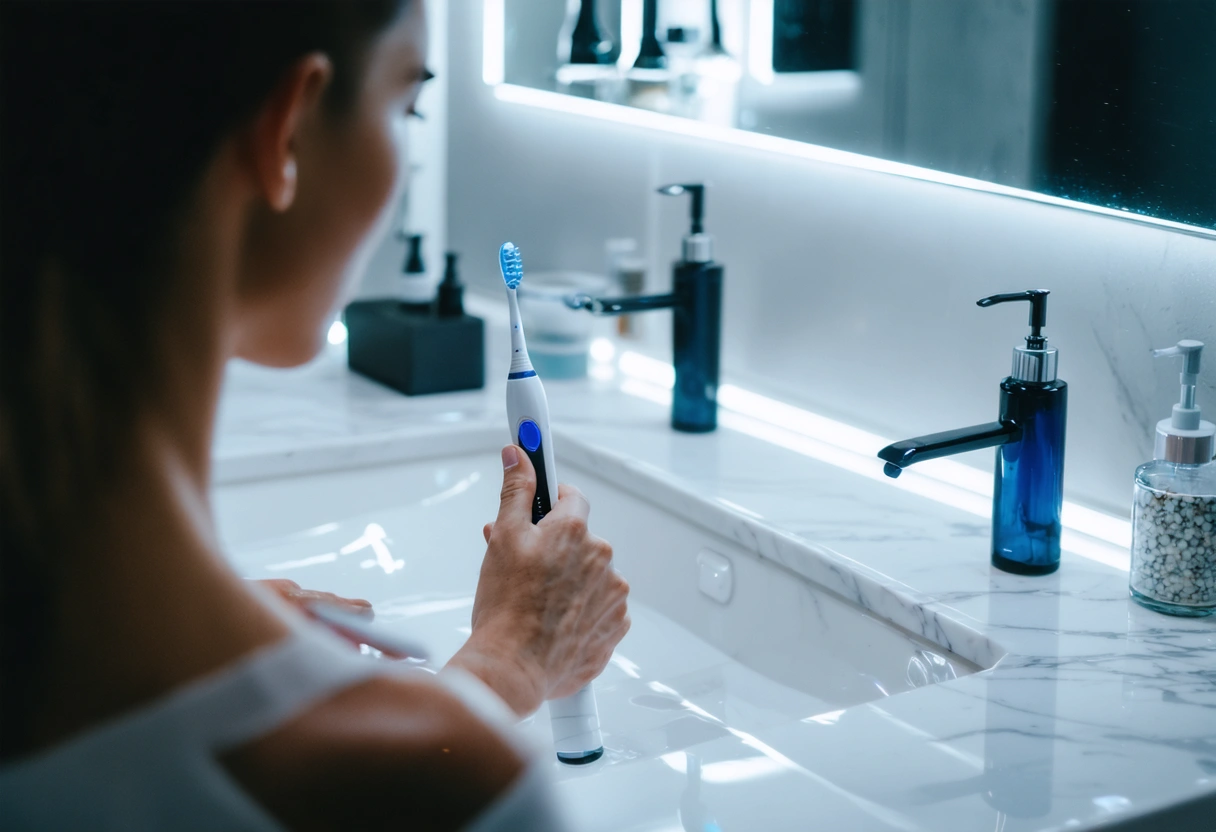
In recent years, advancements in technology have provided new tools and techniques to enhance oral care. Electric toothbrushes are increasingly popular, offering superior plaque removal compared to manual brushing. They often come with built-in timers and pressure sensors, ensuring a thorough and gentle clean while preventing gum damage. For those who struggle with traditional flossing, water flossers are a convenient alternative. They use a stream of pulsating water to remove food particles and plaque between teeth and along the gumline, making them ideal for individuals with braces or other dental appliances.
Another innovation in oral care is the adoption of dental health apps and smart toothbrushes. These tools can track brushing habits and provide personalized feedback to improve techniques. Some apps even offer fun games for children to make brushing a more engaging and enjoyable activity. Additionally, advancements in dental materials have led to more durable and aesthetically pleasing options for fillings and crowns, ensuring that dental restorations not only restore function but also enhance the appearance of your smile.
The Role of Nutrition in Oral Health
Nutrition plays a significant role in maintaining oral health, influencing everything from tooth development in children to gum health in adults. A diet rich in vitamins and minerals, particularly calcium and Vitamin D, is essential for strong teeth and bones. Dairy products, leafy greens, and fortified foods are excellent sources of these nutrients. Vitamin C is another crucial nutrient, as it helps maintain healthy gums and prevents bleeding. Citrus fruits, berries, and bell peppers are all rich in Vitamin C and should be included in your diet.
Limiting sugar intake is critical in preventing cavities and tooth decay. Sugary foods and drinks provide an ideal environment for bacteria to thrive, leading to the formation of plaque and cavities. Instead, opt for natural sweeteners and incorporate crunchy fruits and vegetables like apples and carrots into your meals. These foods help clean teeth naturally and stimulate saliva production, which is vital for neutralizing harmful acids in the mouth.

Addressing Common Oral Health Myths
Several myths about oral health persist, leading to misconceptions and potentially harmful practices. One common myth is that brushing harder will clean teeth better. In reality, brushing too aggressively can damage enamel and irritate gums. It’s best to use a soft-bristled toothbrush and gentle, circular motions to clean teeth effectively. Another myth is that bleeding gums during brushing are normal. While many people experience this, it often indicates gum disease or improper brushing techniques. Consistent, gentle oral care and regular dental check-ups are essential in addressing gum health.
Some believe that once cavities are filled, the tooth no longer requires attention. However, proper care and regular dental visits are still necessary to ensure the longevity of dental restorations and to prevent further decay. Lastly, there is a misconception that sugar-free sodas are harmless to teeth. While they may lack sugar, these drinks often contain acids that can erode enamel over time. It’s crucial to consume them in moderation and rinse your mouth with water afterward to minimize damage.
The Importance of Regular Dental Check-Ups
Regular dental check-ups are a cornerstone of maintaining optimal oral health, providing an opportunity for professional cleanings and early detection of potential issues. During these visits, dentists can identify problems such as cavities, gum disease, and oral cancer in their early stages, when they are most treatable. Professional cleanings remove plaque and tartar that brushing and flossing alone cannot, reducing the risk of cavities and gum disease.
Dental check-ups are also an opportunity to discuss any concerns or changes in oral health, such as sensitivity, pain, or changes in the appearance of teeth and gums. Dentists can provide personalized advice and recommend appropriate treatments or lifestyle changes to address these issues. For individuals with dental anxiety, discussing concerns with your dentist can lead to a more comfortable and stress-free experience, ensuring that regular care is maintained.

Oral Health and Its Connection to Overall Health
Oral health is intricately linked to overall health, with numerous studies highlighting the connection between oral conditions and systemic diseases. For example, gum disease has been associated with an increased risk of heart disease, as the inflammation caused by periodontal bacteria can contribute to the development of cardiovascular conditions. Additionally, diabetes and oral health share a bidirectional relationship, with poor oral health exacerbating diabetes symptoms and vice versa.
Maintaining good oral hygiene can also have a positive impact on respiratory health. Bacteria from the mouth can be inhaled into the lungs, potentially causing respiratory infections, especially in individuals with compromised immune systems. By prioritizing oral health, you can reduce the risk of these systemic conditions and improve your overall quality of life. Understanding the importance of this connection underscores the need for comprehensive oral care as part of a holistic approach to health.
Takeaways
Protecting your family’s smile requires a proactive approach to oral health care, encompassing everything from daily hygiene practices to regular dental visits and a balanced diet. By understanding the unique needs and challenges of each life stage, you can tailor oral care strategies to ensure strong, healthy teeth and gums for every family member. Embracing new tools and techniques, dispelling common myths, and recognizing the connection between oral and overall health are crucial steps in this journey. Prioritizing oral health not only preserves your family’s smiles but also contributes to their overall well-being and confidence.
For further insights into choosing the right oral health care providers and foods beneficial for teeth, exploring reliable resources will provide valuable guidance in supporting your family’s oral health journey.
Need help with Protecting Your Family’s Smile: Essential Oral Health Tips for Every Age?