
A beautiful smile transformation should never look like it came from a template. The most natural cosmetic dentistry enhances the features that already belong to a person, including their facial shape, lip movement, gum display, tooth proportions, and personality.
Personalized cosmetic dentistry is as much an art form as it is a clinical process. When done well, the result looks refreshed, balanced, and believable, not overly bright, bulky, or identical to someone else’s smile.
The Difference Between a Beautiful Smile and a Believable One
A smile can be technically perfect and still look unnatural. Teeth that are too uniform in shape, too opaque in color, or too large for the face may stand out for the wrong reasons. A believable smile transformation considers how the teeth interact with the entire face, not just how they look in a close-up photograph.
Natural-looking cosmetic dentistry often includes subtle variation. Real teeth are not perfectly identical from one side to the other. They have slight differences in translucency, edge shape, surface texture, and reflection. These small details help a restored smile blend with the person’s age, features, and expressions.
Another important factor is proportion. The width and length of each tooth should relate harmoniously to neighboring teeth, the lips, and the overall facial structure. For example, a smile design that flatters someone with a narrow face may not suit someone with broader features. Personalized planning helps avoid a one-size-fits-all result.
Why Overly Perfect Smiles Can Look Artificial
Many people associate cosmetic dentistry with very white, perfectly straight teeth. While brightness and symmetry can be desirable, excess in either direction can make a smile appear artificial. Teeth that are too white compared with the whites of the eyes, too flat in texture, or too identical in shape may create an unnatural contrast with the rest of the face.

The goal is not to remove every sign of individuality. Instead, skilled cosmetic dentistry refines the smile while preserving character. A natural transformation may soften worn edges, improve alignment, close small gaps, or correct discoloration while still keeping the smile expressive and authentic.
How Personalized Smile Design Begins
Personalized cosmetic dentistry starts with a careful evaluation of more than just the teeth. A dentist may assess facial symmetry, lip position, gum contours, jaw movement, bite function, speech patterns, and how the smile appears at rest and in motion. These details help guide decisions about tooth shape, length, color, and placement.
Digital photography, scans, shade analysis, and smile previews can also play an important role. These tools allow the dentist and patient to visualize potential changes before treatment begins. However, technology is only one part of the process. The artistic judgment behind the design is what helps the final result look natural rather than manufactured.
A personalized smile plan also takes the patient’s goals into account. Some people want a dramatic change, while others prefer improvements that are noticeable only in a subtle, polished way. Understanding the patient’s comfort level, lifestyle, profession, and aesthetic preferences helps create a result that feels like an authentic version of them.
The Role of Facial Features in Cosmetic Dentistry
Facial features provide a visual framework for smile design. The curve of the lips, the shape of the jawline, the position of the cheeks, and the amount of tooth visible when speaking all influence what will look balanced. A smile that appears natural in one face may appear too bold or too small in another.
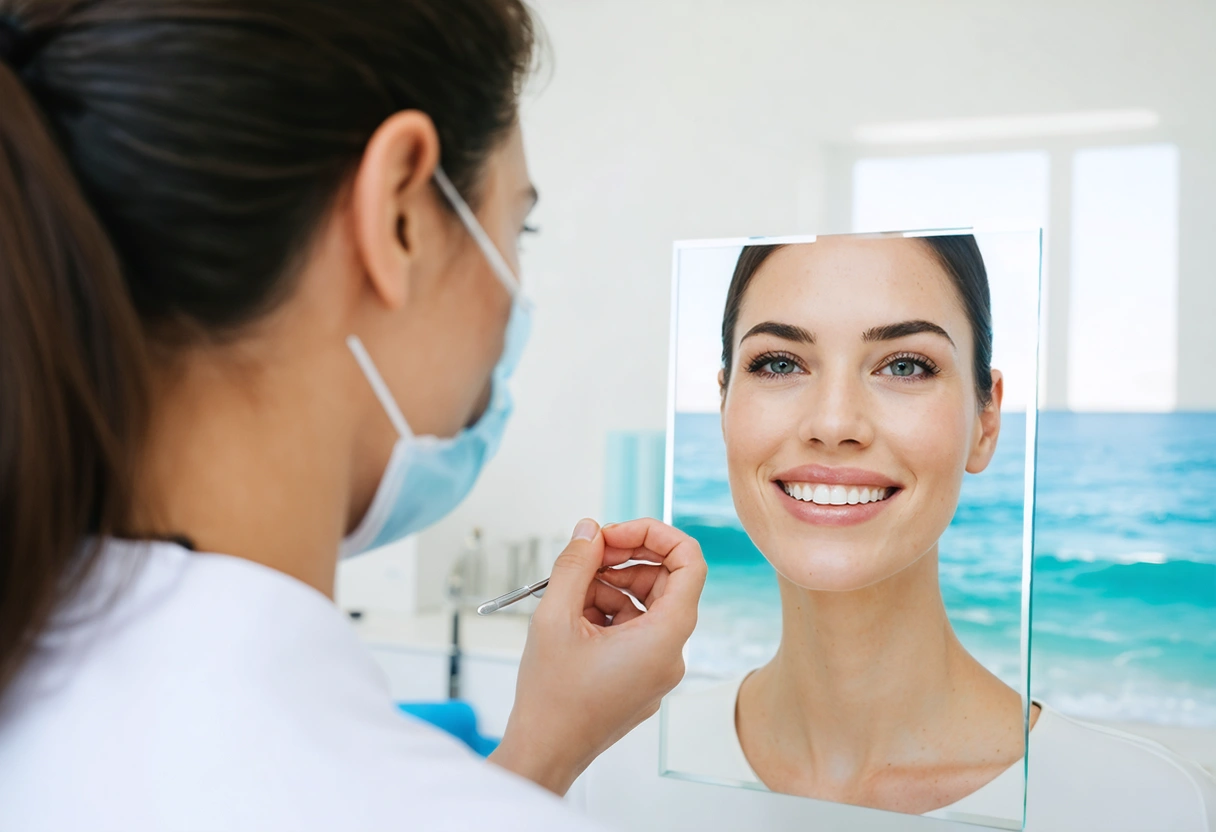
For instance, the edges of the upper teeth often look most harmonious when they follow the natural curve of the lower lip. The size of the front teeth should also be considered in relation to the smile width and the way the lips frame the teeth. These details help the smile look integrated with the face instead of appearing placed on top of it.
Color, Translucency, and the Science of a Realistic Shade
Tooth color is one of the most misunderstood parts of cosmetic dentistry. A natural smile is not simply the whitest possible shade. Real teeth contain layers of color, with warmer tones near the gumline, brighter areas through the body of the tooth, and translucent qualities near the edges. When a restoration ignores these layers, it can look flat, chalky, or overly opaque.
The most lifelike veneers, crowns, bonding, and ceramic restorations mimic the way natural enamel reflects and absorbs light. Enamel is slightly translucent, while dentin beneath it provides warmth and depth. A skilled cosmetic dentist and dental ceramist consider these optical properties carefully, especially for front teeth that are highly visible when speaking and smiling.
Shade selection should also account for skin tone, eye color, age, and personal style. A very bright shade may look fresh and attractive for one person but distracting for another. Sometimes the most elegant result is a shade that looks healthy, clean, and luminous without calling attention to itself. The best compliment after a smile transformation is often not, “Your veneers look amazing,” but rather, “You look wonderful. What changed?”
Why One Solid Color Does Not Look Natural
Natural teeth have subtle color zones, tiny variations, and internal character. Some have delicate white accents, faint translucency at the biting edges, or slight warmth where the tooth emerges from the gum. These characteristics can be intentionally recreated in cosmetic restorations to avoid a uniform, artificial appearance.
This does not mean every restored smile should include visible imperfections. Rather, it means the smile should have dimension. A flat, monochromatic tooth can look like plastic, especially under bright light. Layered ceramics and carefully polished composite materials can create a more realistic interaction with light, making the teeth appear alive rather than painted.

Shape, Proportion, and the Personality of Teeth
Tooth shape has a powerful influence on the character of a smile. Squarer teeth may communicate strength and confidence, while slightly rounded teeth can create a softer or more youthful effect. Longer central incisors can add elegance, while overly short teeth may make a smile appear aged or worn. The art lies in choosing shapes that suit the individual rather than following a trend.
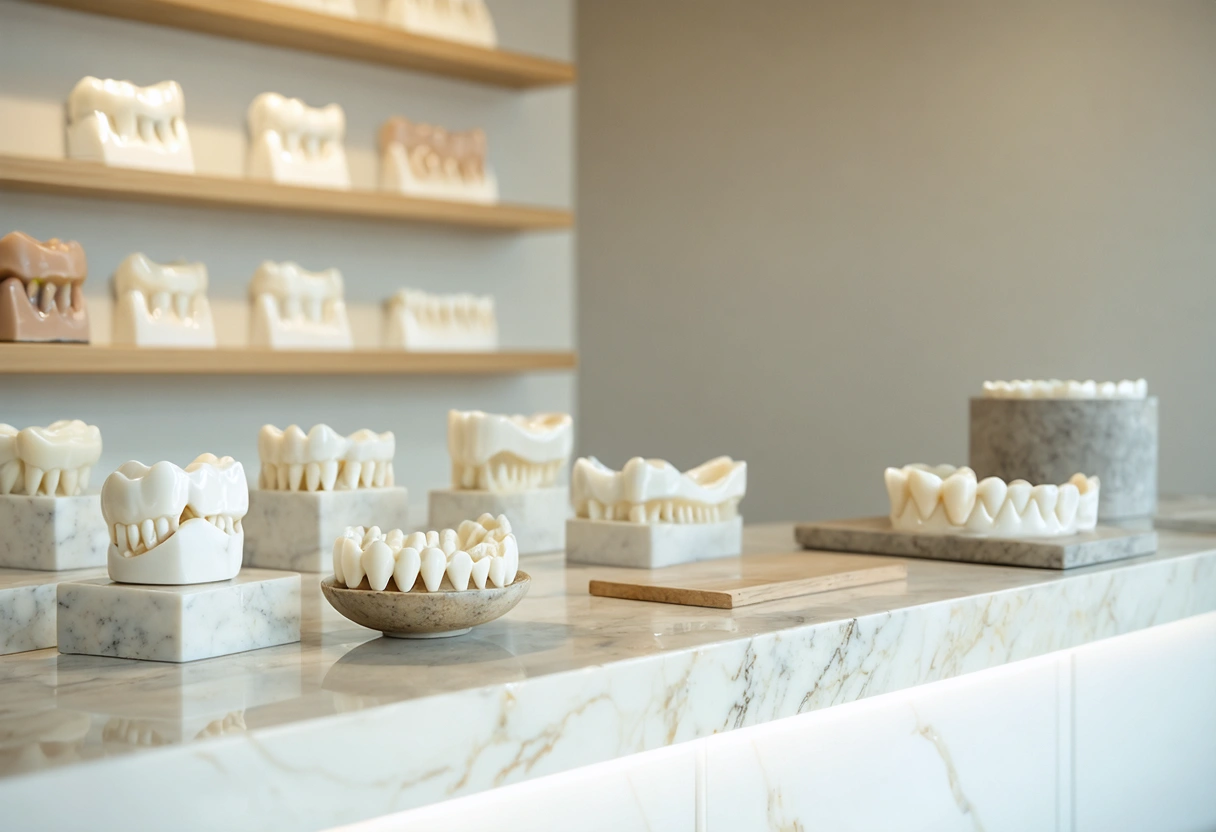
The two upper front teeth, called the central incisors, usually serve as the visual anchors of the smile. The lateral incisors beside them are often slightly smaller and may have more delicate contours. The canine teeth frame the front of the smile and help transition toward the back teeth. When these relationships are carefully designed, the smile appears balanced and natural.
Proportion is also essential. If front teeth are made too long, they can dominate the face. If they are too wide, they may look bulky. If all teeth are designed with the same height and shape, the result can appear repetitive. Natural smile design uses progression, with each tooth contributing to a harmonious overall composition.
Age-Appropriate Smile Design
A natural smile transformation should respect the patient’s age while still creating a refreshed appearance. Younger teeth often have more rounded edges, visible texture, and slight translucency. Over time, teeth may become shorter from wear, darker in color, and smoother on the surface. Cosmetic dentistry can reverse some of these changes, but pushing the smile too far into an unrealistic youthful look may create a mismatch with the face.
Age-appropriate does not mean old-looking. It means believable. A smile can be brighter, more even, and more vibrant while still fitting the person’s features. For many patients, the goal is to restore vitality that has been lost through wear, staining, grinding, or previous dental work, not to create a smile that looks disconnected from their identity.
Gum Contours, Lip Movement, and the Smile Frame
The gums act as the frame around the teeth. Even beautifully crafted veneers or crowns can look unnatural if the gumline is uneven, inflamed, too visible, or poorly proportioned. Healthy gum tissue should look firm, balanced, and harmonious with the tooth shapes. In some smile transformations, gum contouring or periodontal therapy may be needed before cosmetic treatment begins.
Gum symmetry matters, especially around the upper front teeth. If one tooth appears shorter because the gumline sits lower, the smile may look uneven even when the teeth themselves are well designed. Adjusting the gum contour can improve proportions and create a cleaner, more balanced appearance. This must be done conservatively and thoughtfully to maintain both aesthetics and long-term gum health.
Lip movement is equally important. Some people show most of their upper teeth when they smile, while others show very little. Some reveal a significant amount of gum tissue, known as a gummy smile. A natural transformation takes these dynamics into account, designing teeth that look attractive not only in a posed smile but also during laughter, conversation, and relaxed expressions.
Why the Smile Must Be Evaluated in Motion
A smile is not a still object. It changes when a person talks, laughs, concentrates, or reacts emotionally. Cosmetic dentistry that looks good only in a static photograph may not look natural in everyday life.
Speech also reveals whether tooth length and position feel natural. Teeth that are too long or bulky may affect pronunciation or feel awkward to the tongue and lips.

Function, Bite Balance, and Long-Term Beauty
A natural smile transformation is not just cosmetic. It must work correctly. The bite determines how teeth come together, how forces are distributed, and how restorations will hold up over time.
Patients who grind or clench their teeth need special attention during smile design. Grinding can shorten natural teeth, fracture restorations, and create muscle tension. In these cases, the dentist may need to rebuild tooth length carefully, adjust bite contacts, or recommend a protective nightguard after treatment.
Function also affects appearance. Worn teeth can collapse the smile, reduce facial support, and create an aged look. Restoring proper length and bite stability can improve both aesthetics and comfort.
Materials and Techniques That Support Natural Results
Different cosmetic treatments can create natural results when selected appropriately. Porcelain veneers are often chosen for larger transformations because they can change color, shape, length, and symmetry with excellent translucency and stain resistance.
Crowns may be recommended when teeth are structurally compromised, heavily restored, or weakened. Whitening can brighten natural teeth before or instead of restorative treatment. Orthodontic options, including clear aligners, may improve tooth position so that less enamel needs to be altered. The best
Need help with What Makes a Smile Transformation Look Natural? The Art of Personalized Cosmetic Dentistry?