
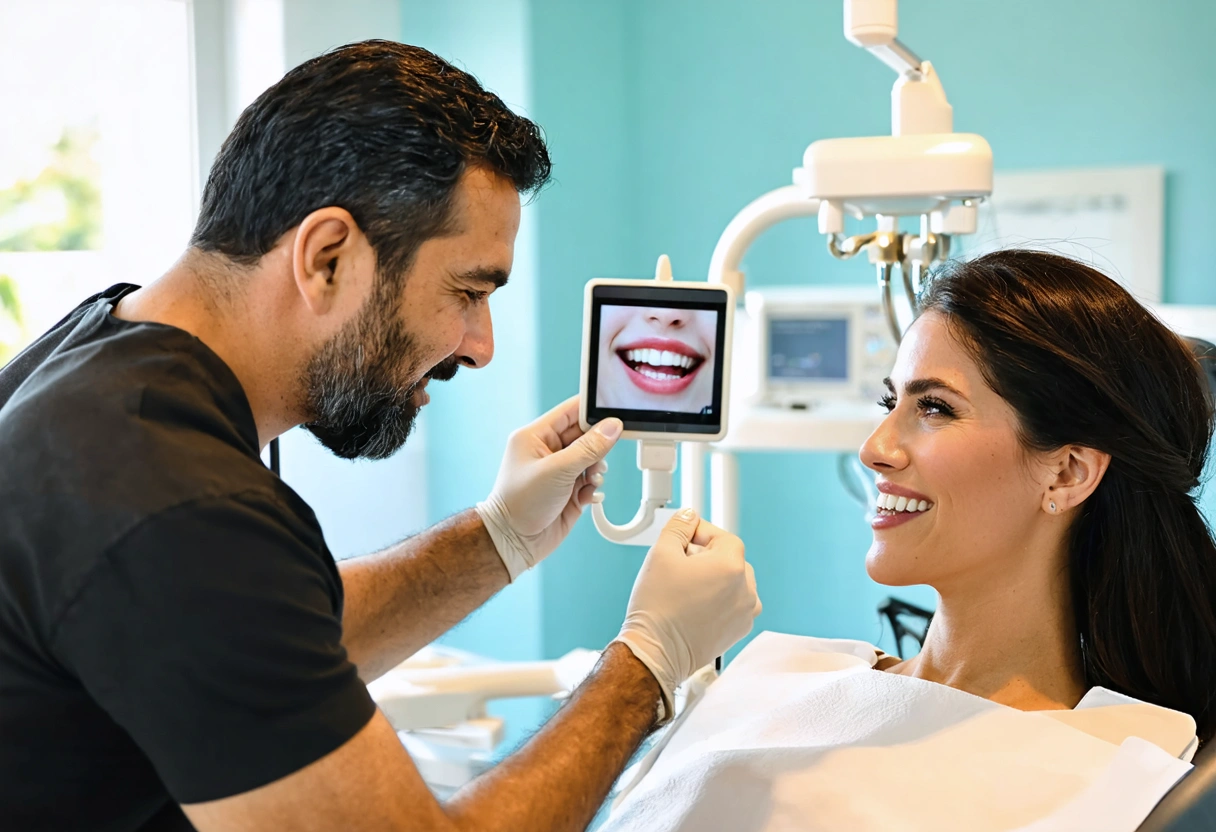
A memorable smile is rarely defined by one feature alone. It is the result of several visual elements working together, including tooth shape, shade, size, spacing, gum display, and the way the smile complements the lips and face.
In cosmetic dentistry and smile design, the goal is not simply to make teeth look brighter or straighter. The goal is to create balance. When shape, color, and proportion are thoughtfully refined, even subtle changes can make a smile appear healthier, more youthful, and more harmonious.
What Makes a Smile Look Balanced?
A balanced smile feels natural because the teeth, gums, lips, and facial features appear to belong together. This does not mean every tooth must look perfectly identical. In fact, the most attractive cosmetic results often preserve small variations that make the smile look authentic rather than artificial.
Cosmetic dentists evaluate balance by looking at how the teeth relate to one another and to the face as a whole. This includes the width and length of the front teeth, the curve of the smile line, the amount of gum tissue visible, and the way light reflects from the tooth surfaces. Each detail influences whether a smile appears soft, bold, youthful, elegant, or uneven.
Symmetry Without a Manufactured Look
Symmetry plays an important role in smile design, especially near the center of the smile. The two upper front teeth often serve as the visual anchor, so differences in their length, tilt, color, or edge shape can be especially noticeable. Correcting these details can create a stronger sense of order and harmony.
However, perfect symmetry is not always the goal. Natural smiles have character, and a skilled cosmetic approach aims to improve noticeable imbalances without removing the individuality of the smile. The best results often look refreshed and refined, not overly uniform.
How Tooth Shape Influences the Overall Smile
Tooth shape affects personality, expression, and the perceived age of a smile. Longer, more defined teeth may create a more youthful or elegant appearance, while worn or shortened teeth can make the smile look older or less vibrant. Rounded edges can soften the smile, while sharper line angles may create a more structured look.

Cosmetic dentistry can improve tooth shape through treatments such as bonding, veneers, enamel contouring, and crowns. The right option depends on the amount of change needed, the health of the teeth, and the patient’s goals. Even small adjustments to edges, corners, or surface contours can improve the way the teeth fit together visually.
Correcting Chips, Wear, and Uneven Edges
Everyday habits, grinding, acidic foods, and natural aging can gradually change the shape of the teeth. Chips, flattened edges, and uneven lengths may draw attention because they interrupt the flow of the smile. These concerns can also affect how the upper and lower teeth meet during biting and chewing.
By rebuilding or refining tooth structure, cosmetic dentistry can restore smoother lines and more pleasing proportions. The objective is to create tooth shapes that look clean and balanced while still functioning comfortably in the bite.
The Role of Color in Smile Design
Tooth color is one of the first things people notice about a smile, but a beautiful shade is not always the brightest possible white. A balanced smile color should complement the patient’s skin tone, lip color, facial features, and age. Teeth that are too opaque or too bright can look artificial, while teeth with controlled translucency and natural variation often look healthier and more lifelike.
Cosmetic dentists consider hue, value, and chroma when planning shade improvements. Hue refers to the basic color family of the tooth, value describes how light or dark the tooth appears, and chroma refers to the intensity of the color. Small differences in these qualities can significantly affect the final result.
Whitening for a Brighter Foundation
Professional teeth whitening is often the first step when the main concern is general discoloration. Stains from coffee, tea, red wine, tobacco, and natural aging can make teeth look dull or yellowed. Whitening can brighten the enamel and create a cleaner foundation before additional cosmetic work is considered.
Whitening is most effective on natural tooth structure. Existing restorations such as crowns, veneers, and fillings do not whiten in the same way, which is why treatment planning is important. If a patient has visible dental work, the dentist may recommend whitening first, followed by replacing or updating restorations so the final shades match more evenly.
When Veneers or Bonding Improve Color
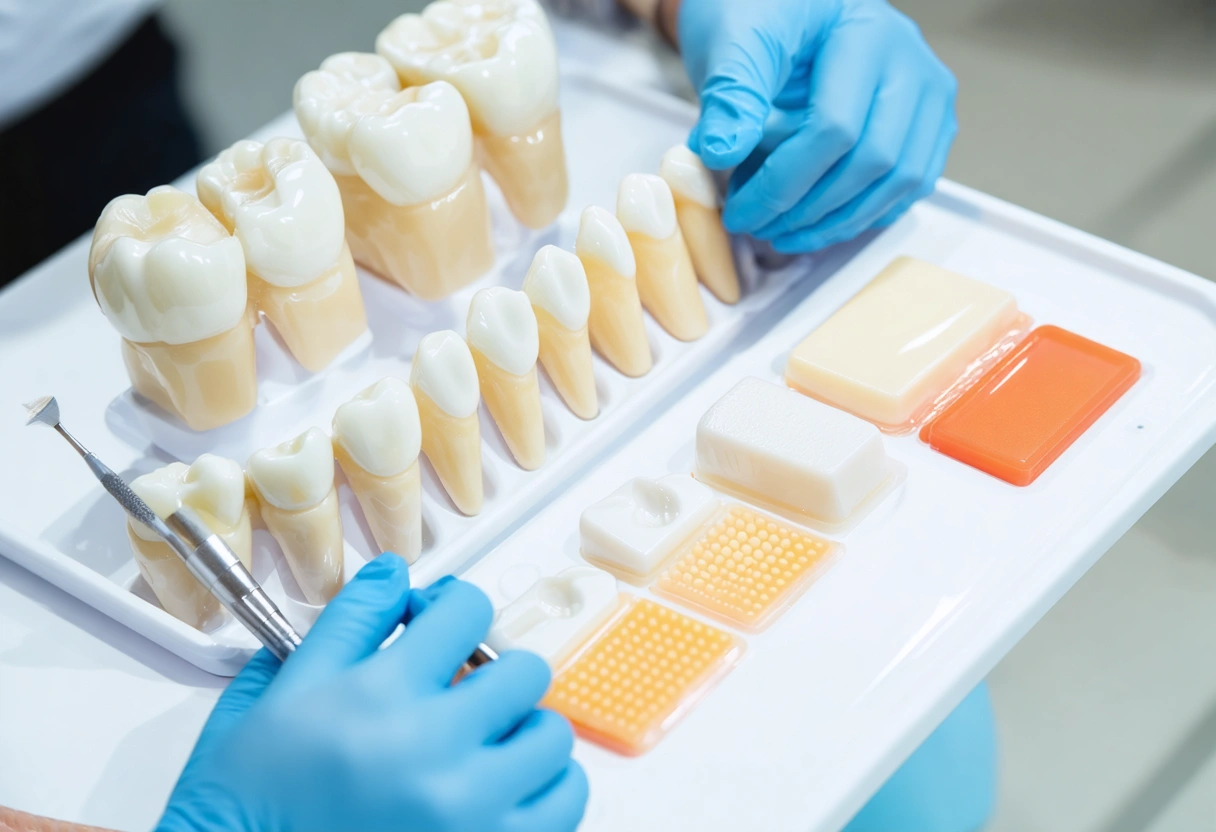
Some types of discoloration do not respond predictably to whitening. Deep internal staining, enamel defects, old restorations, or color irregularities may require a more customized approach. Porcelain veneers, composite bonding, or crowns can mask discoloration while also improving shape and proportion.
These treatments allow the dentist to design a shade that looks bright but still natural. For example, a patient may want a fresh, vibrant smile without a flat white appearance.
Why Proportion Matters in a Beautiful Smile
Proportion is the relationship between tooth length, width, spacing, and the surrounding gums and lips. Even when teeth are healthy and white, the smile may feel unbalanced if the front teeth are too short, too narrow, too wide, or unevenly spaced.
The upper front teeth are especially important because they dominate the smile. The central incisors usually appear slightly longer and wider than the neighboring lateral incisors, while the canine teeth help frame the smile and guide the transition toward the back teeth.
Length, Width, and the Appearance of Age
Tooth length can influence how youthful a smile appears. Over time, teeth may become shorter due to wear, grinding, erosion, or chipping. When the edges of the front teeth flatten, the smile can lose its natural curve and appear older.
Width is equally important. Teeth that are too narrow may create unwanted spaces or make the smile look small. Teeth that are too wide may look heavy or crowded.
Closing Gaps and Improving Spacing
Small gaps between teeth can be part of a person’s natural character, but they may also make the smile appear uneven or unfinished. Cosmetic bonding and veneers can often close minor spaces by adding carefully shaped material to the sides of the teeth.
For larger gaps or spacing caused by tooth position, orthodontic treatment may be the better first step. Clear aligners or braces can move the teeth into a healthier arrangement before cosmetic refinements are made.
Gum Contours and the Frame of the Smile
The gums act like a frame around the teeth. If the gumline is uneven, too low, or too high, the teeth may appear different in size even when the tooth structure itself is balanced.
Smile design often includes an evaluation of gum symmetry, gum thickness, and how much gum tissue shows when smiling. This is especially important for patients who feel they have a gummy smile or teeth that look unusually small.
Creating a More Even Gumline
Gum contouring can reshape excess tissue to reveal more of the natural tooth and create a cleaner outline. This may be done for one tooth that appears shorter than the others or for several teeth across the smile.
In cases involving gum recession, the goal may be different. Instead of removing tissue, treatment may focus on protecting exposed roots, reducing sensitivity, or improving the appearance of long looking teeth.
Combining Treatments for a Cohesive Result
Many cosmetic smile transformations involve more than one treatment. Whitening may improve the overall shade, bonding may repair small chips, veneers may correct shape and color, and aligners may improve tooth position.
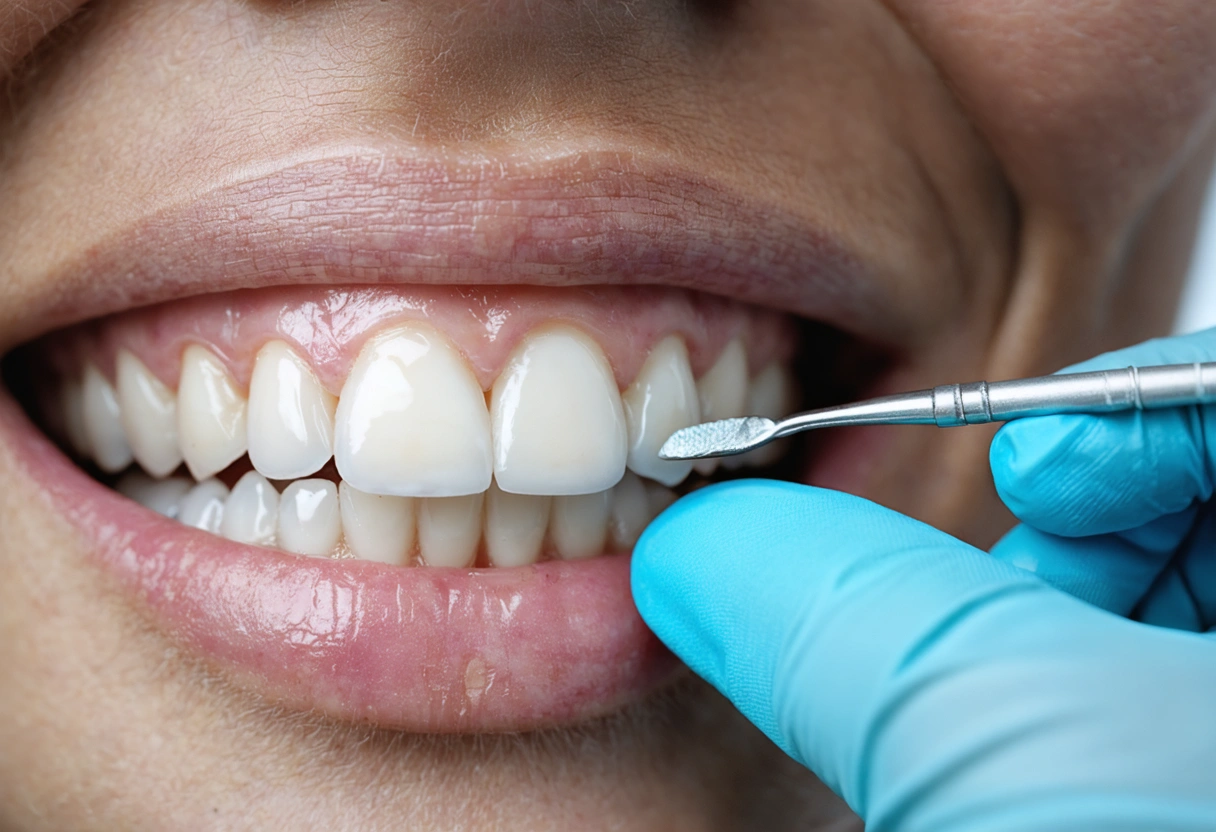
For example, a patient with slightly crowded, discolored, and worn front teeth may benefit from clear aligner therapy first, followed by whitening, then minor bonding along the edges.
Why Planning Comes Before Treatment
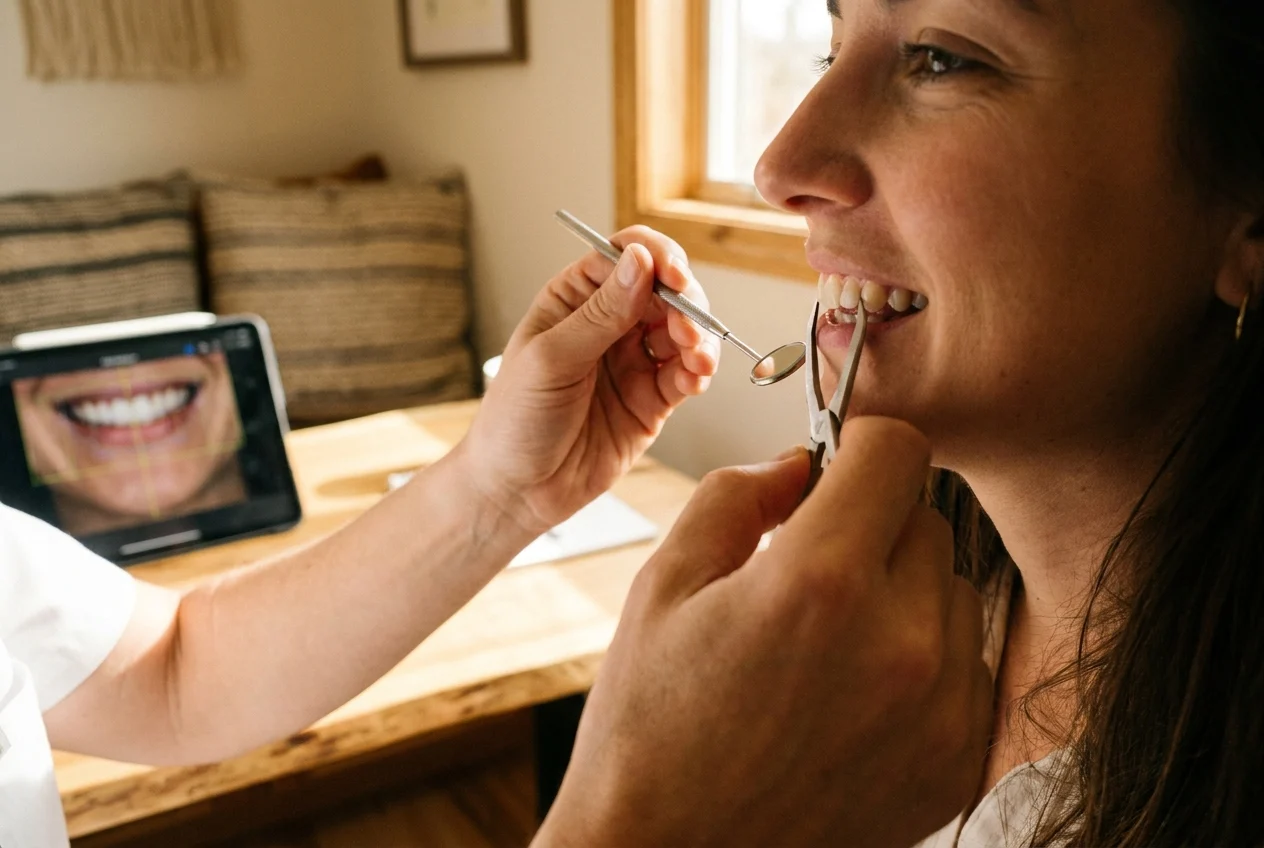
A balanced smile begins with a detailed plan. Cosmetic dentists may use photographs, digital scans, shade analysis, facial measurements, and bite evaluation to understand how the smile functions and appears from different angles.
Digital smile design and mockups can also help patients preview potential changes. A mockup may show how longer edges, a different shade, or adjusted tooth proportions could affect the smile before permanent treatment begins.
Balancing Beauty With Function
Cosmetic dentistry is not only about appearance. Teeth must also bite, chew, and function comfortably. If cosmetic changes ignore the bite, the results may be more likely to chip, wear, or feel uncomfortable.
Patients who grind or clench their teeth may need additional planning before cosmetic treatment. Worn teeth can often be restored, but the forces that caused the wear must be managed.
Materials That Support Long Term Results
The choice of cosmetic material depends on the location of the tooth, the amount of tooth structure involved, the desired appearance, and the forces of the bite.
Crowns may be recommended when a tooth has significant structural damage, large old fillings, or cracks that require more coverage. The most natural looking outcomes come from choosing the right material for both appearance and durability rather than selecting treatment based on appearance alone.

Personalizing the Smile to the Face
No singleNo single smile design is right for every person. The most successful cosmetic results are customized to the patient’s facial structure, lip movement, personality, and preferences.
Personalization may involve choosing slightly rounded tooth edges for a softer appearance, creating more defined contours for a stronger look, or selecting a shade that brightens the smile without overpowering the face.
The Importance of Communication
Patients often describe their goals in everyday terms, such as wanting a smile that looks fresher, less worn, more even, or more confident. A cosmetic dentist translates those goals into specific design elements, including tooth length, shade, contour, texture, and alignment.
Clear communication helps ensure that the patient and dentist are working toward the same vision. Photos of desired smiles, discussion of concerns, and preview options such as mockups can make it easier to choose changes that feel comfortable and realistic.
A Balanced Smile Is Built on Small Details
Shape, color, and proportion all influence how a smile is perceived. When these elements are planned together, cosmetic dentistry can create improvements that are noticeable without looking unnatural.
Whether treatment involves whitening, bonding, veneers, gum contouring, aligners, or a combination of options, the best results come from careful planning and an eye for balance.
Need help with The Art of a Balanced Smile: How Cosmetic Dentistry Improves Shape, Color, and Proportion?