
Introduction: The Journey to a Radiant Smile
In the world of modern orthodontics, the quest for a perfect smile has taken a revolutionary turn. Clear aligners have emerged as a popular and effective alternative to traditional braces, transforming the landscape of dental care. These virtually invisible devices offer a discreet and comfortable way to correct misaligned teeth, enhancing both confidence and oral health. In this post, we will delve into the multifaceted benefits of clear aligners, exploring how they work, their advantages, and their impact on overall well-being.
The desire for a beautiful smile is universal. However, many individuals are apprehensive about the aesthetic implications of metal braces. This is where clear aligners come into play, offering not only an aesthetic advantage but also numerous health benefits. Let’s explore how these innovative devices are creating radiant smiles worldwide.
Understanding Clear Aligners: The Basics
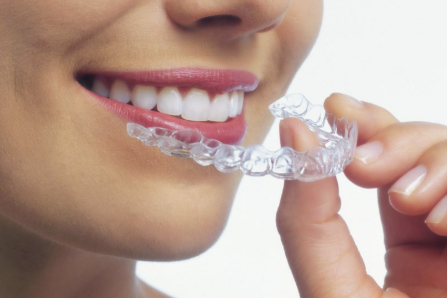
Clear aligners are custom-made, removable orthodontic devices that gradually straighten teeth. Made from a transparent, medical-grade plastic, they provide a subtle solution for those seeking orthodontic treatment without the noticeable appearance of metal braces. The process typically begins with a consultation, during which a dentist or orthodontist uses digital scanning technology to create a 3D model of the patient’s teeth.
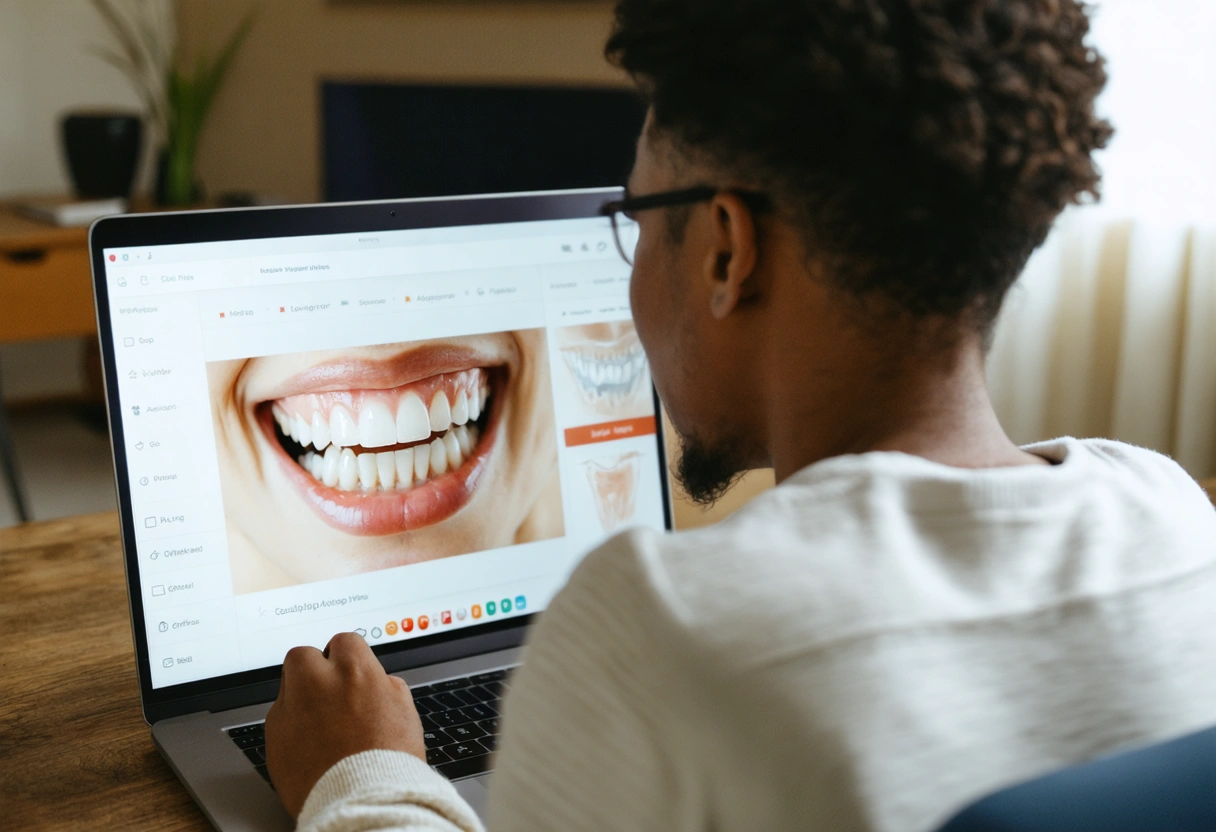
This model is used to design a series of aligners, each one slightly different, which the patient wears for about two weeks before progressing to the next set. Over time, these aligners gently shift the teeth into their desired positions. This technology not only offers a precise fit but also enables patients to visualize their treatment plan from start to finish.
Advantages Over Traditional Braces
One of the most significant advantages of clear aligners is their invisibility. Unlike metal braces, which can be cumbersome and unattractive, clear aligners offer a nearly invisible treatment option. This has made them especially popular among adults and teenagers who wish to maintain a natural appearance during their orthodontic journey.
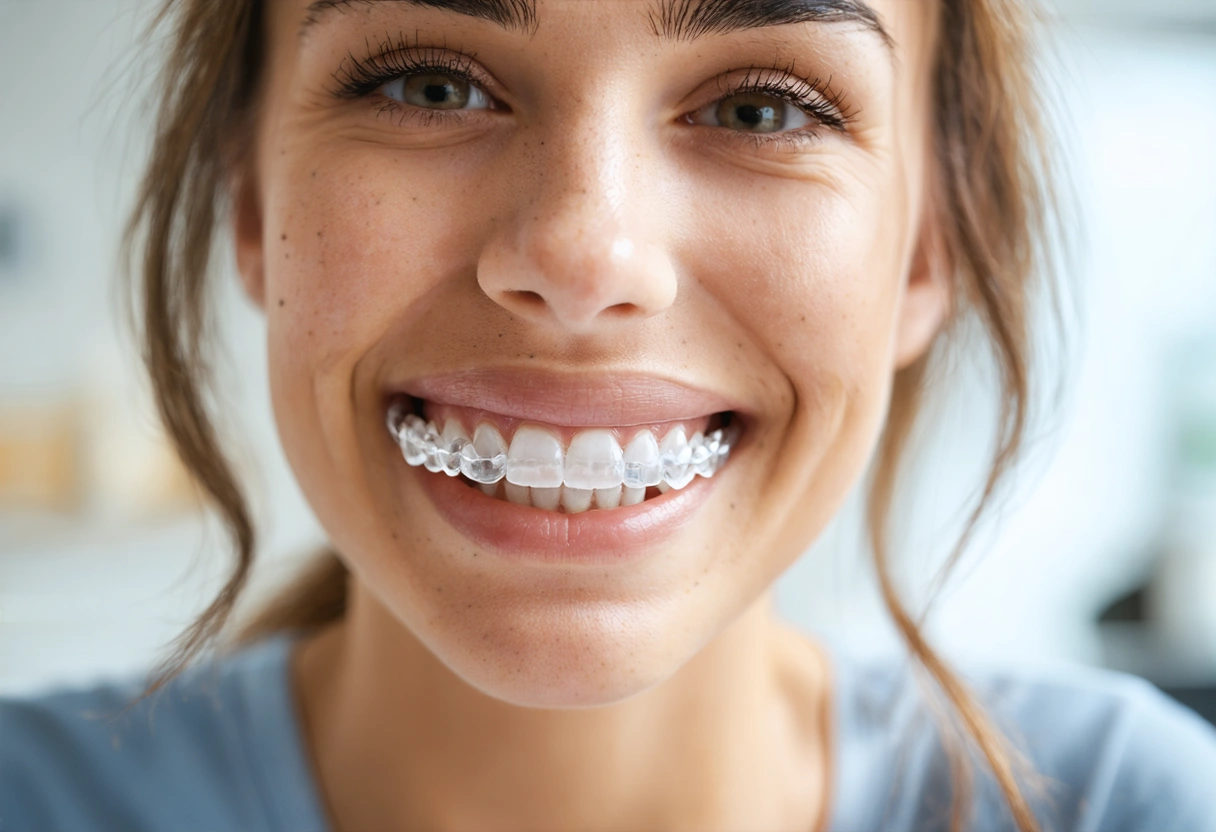
Clear aligners are also removable, which allows for greater flexibility in daily activities. Patients can easily remove them to eat, drink, brush, and floss, reducing the risk of food getting trapped and causing dental issues. This feature also simplifies oral hygiene compared to traditional braces, which can be challenging to clean effectively.
Boosting Confidence with Clear Aligners
The aesthetic benefits of clear aligners extend beyond just being less noticeable. The ability to remove aligners for important events or photos can significantly boost a person’s confidence. Knowing that they are undergoing treatment without the visual impact of braces often results in increased self-esteem. This newfound confidence can permeate various areas of life, from personal relationships to professional interactions.
Moreover, the predictability of treatment outcomes with clear aligners can be a confidence booster. With digital treatment planning, patients have a clearer understanding of the process and can anticipate the results, reducing anxiety and increasing satisfaction. This transparency and predictability are often cited as major benefits by those who choose clear aligners.
Impact on Social Interactions
For many, the fear of judgment or unwanted attention due to traditional braces can deter them from seeking necessary orthodontic care. Clear aligners mitigate these concerns by providing a discreet alternative. As a result, individuals are more likely to pursue treatment, knowing it will not negatively impact their social interactions.
In professional settings, where appearance can influence perceptions, clear aligners offer a way to maintain a polished look. This is particularly beneficial in industries where first impressions are crucial, such as sales, marketing, or public relations.
Oral Health Benefits of Clear Aligners

Beyond the cosmetic advantages, clear aligners contribute significantly to oral health. Misaligned teeth can lead to a host of dental problems, including gum disease, tooth decay, and jaw pain. By correcting these issues, clear aligners help prevent such complications, promoting better oral hygiene and overall health.
Clear aligners make it easier to maintain oral hygiene routines. Since they are removable, patients can brush and floss their teeth without obstruction, ensuring that plaque does not build up around the teeth and gums. This reduces the risk of cavities and gum disease, common concerns with traditional orthodontic treatments.
Prevention of Dental Issues
Properly aligned teeth also contribute to better function. Misalignment can cause uneven wear on teeth, leading to premature enamel erosion. By aligning the teeth correctly, clear aligners help distribute the forces of biting and chewing more evenly, preventing excessive wear and tear.
Additionally, clear aligners can alleviate issues related to bite misalignments, such as overbites, underbites, and crossbites. Correcting these problems can lead to improved speech and reduced strain on the jaw muscles, ultimately enhancing overall comfort and function.
The Clear Aligner Process: What to Expect
Embarking on a clear aligner journey begins with a consultation with a dental professional. During this initial visit, the dentist will assess the patient’s suitability for clear aligners and take digital impressions of the teeth. These impressions are used to create a personalized treatment plan that outlines the projected movement of the teeth over time.
Once the aligners are ready, the patient will receive a series of trays, each designed to be worn for approximately two weeks. Regular check-ups with the dentist are essential to monitor progress and make any necessary adjustments. The total treatment time varies depending on the complexity of the case but typically ranges from 6 to 18 months.
Commitment to Success

For optimal results, patients must commit to wearing their aligners for 20 to 22 hours per day. This requires discipline and dedication, as the success of the treatment depends largely on adherence to the recommended schedule. Fortunately, the comfort and convenience of clear aligners make this commitment easier to maintain.
Clear aligners offer flexibility, but they also require responsibility. Patients must ensure they clean their aligners regularly and follow any additional care instructions provided by their dentist. This commitment to maintaining the aligners can significantly impact the overall effectiveness of the treatment.
Embrace the Journey to a Radiant Smile
Clear aligners represent a significant advancement in the field of orthodontics, offering a range of benefits that extend beyond just straightening teeth. By improving both confidence and oral health, they empower individuals to pursue the smile they have always desired. As technology continues to evolve, clear aligners are likely to become an even more integral part of modern orthodontic care.
For anyone considering orthodontic treatment, clear aligners present a compelling option. Their discreet appearance, combined with their proven effectiveness, makes them a preferred choice for many. By embracing this innovative solution, individuals can embark on a transformative journey toward a radiant smile and improved oral health.
Innovations in Clear Aligner Technology
As advancements in dental technology continue to progress, clear aligners are becoming more sophisticated and effective. Innovations such as 3D printing and AI-driven design are enhancing the precision and customization of aligners, ensuring that each set is uniquely tailored to fit the patient’s dental structure. These technological improvements not only improve the fit and comfort of the aligners but also reduce treatment time.
Additionally, some companies are integrating smart technology into their aligners. For example, certain aligners come with embedded sensors that track wear time, ensuring patients adhere to their treatment plans. This data can be shared with orthodontists in real-time, allowing for more proactive adjustments and patient support throughout the treatment process.
Materials and Design Improvements
The materials used in clear aligners have also seen significant improvements. Newer aligners are made from more durable and stain-resistant plastics, enhancing both the aesthetic and functional longevity of the devices. This means fewer replacements and a consistently clear appearance throughout the treatment.
Moreover, the design of aligners now incorporates features that accommodate different types of dental issues more effectively. For instance, aligners can now be designed to apply specific forces to individual teeth, allowing for more targeted corrections. This level of customization ensures that each patient receives a treatment plan that is as unique as their smile.
Cost Considerations and Accessibility
While clear aligners offer numerous benefits, it’s important to consider the cost implications. Typically, the price of clear aligners is comparable to traditional braces, though it can vary based on the complexity of the case and the geographical location of the treatment. However, many dental insurance plans now cover clear aligners, making them a more accessible option for a wider range of patients.
Several financing options are also available, which can help spread the cost over several months or years. This financial flexibility is crucial for making orthodontic treatment accessible to more people, allowing them to invest in their dental health without significant financial strain.
Expanding Access to Orthodontic Care
The rise of direct-to-consumer clear aligner companies has further democratized access to orthodontic care. These companies offer a more convenient and often more affordable alternative to traditional orthodontic visits. However, it’s essential to approach these options with caution, as professional supervision is critical for ensuring the safety and effectiveness of any orthodontic treatment.
Patients considering direct-to-consumer options should thoroughly research the company and ideally seek advice from a dental professional before proceeding. The guidance of a qualified orthodontist can make a significant difference in the outcome of the treatment, ensuring that patients receive the care and oversight needed for successful results.
The Future of Orthodontics: A Look Ahead
As technology continues to evolve, the future of orthodontics looks promising, with clear aligners leading the charge. The integration of digital tools, such as augmented reality and enhanced imaging techniques, is likely to further improve the precision and customization of orthodontic treatments. These advancements will enable even more complex dental corrections to be achieved with clear aligners, expanding their applicability and effectiveness.
Moreover, the ongoing development of materials and design will continue to enhance the comfort and aesthetics of aligners, making them an increasingly attractive option for individuals seeking orthodontic care. As these innovations unfold, the accessibility, affordability, and appeal of clear aligners are expected to grow, making them a staple in modern orthodontics.
Embracing Change for Better Oral Health
The shift towards more personalized and less invasive orthodontic solutions reflects a broader trend in healthcare towards individualized treatment and patient-centered care. Clear aligners embody this shift, offering a solution that is as much about enhancing personal confidence as it is about improving oral health.
For anyone considering orthodontic treatment, the future holds exciting possibilities. By staying informed about the latest developments in clear aligner technology, patients can make educated decisions about their dental care, ensuring that they receive the most effective and appropriate treatment for their needs.
Need help with Creating Radiant Smiles: How Clear Aligners Enhance Confidence and Oral Health?